Where the reel comes from
The source is an Instagram reel from October 19, 2026. Its caption says it was made with an AI video tool. People who saw the reel may search for it with words like rap or booth, which is why this page exists.
Video trend
Red Eye Verse follows one AI-made rap booth reel. This page explains what that reel shows, what its caption does not tell you, and how Oakgen's fixed Red Eye Verse template differs from a general video-to-video tool.
The source is an Instagram reel from October 19, 2026. Its caption says it was made with an AI video tool. People who saw the reel may search for it with words like rap or booth, which is why this page exists.
A video-to-video tool rebuilds part of an existing clip. Some keep the motion, camera and timing of a source video while rebuilding the scene and cast from reference images; others replace one chosen element. You supply the source clip and the reference images yourself.
The caption says the reel is AI-made, but it does not name the source footage, the reference images, the settings or how the audio was made. We could not match the rap to a released song, and it may be an original or AI-generated track. The caption does not identify the music or the performer, and we do not guess at either.
Red Eye Verse is a fixed template of this one reel. You do not upload a source clip or write a prompt. You add one photo to a single Rapper slot, and the template supplies the booth verse, the montage, the cuts, the red-eye moments and the original sound. The output is always a 21.04-second 9:16 video at 24 fps, and you see a price quote for 480p, 720p or 1080p before generating.
A general video-to-video tool fits when you have your own footage and want to change who or what is in it. A fixed template fits when you want this particular reel, with its timing and sound, played by the person in your photo, without preparing a source clip. They answer different questions, and this page makes no claim about which one gives better results.
Say that your video is AI-made, and use only photos of people who agreed to appear. If you show the reference reel beside your result, label which clip is yours, for example "Source reel" and "My version".
Choose the roles you want to change. Add a photo for each selected role.
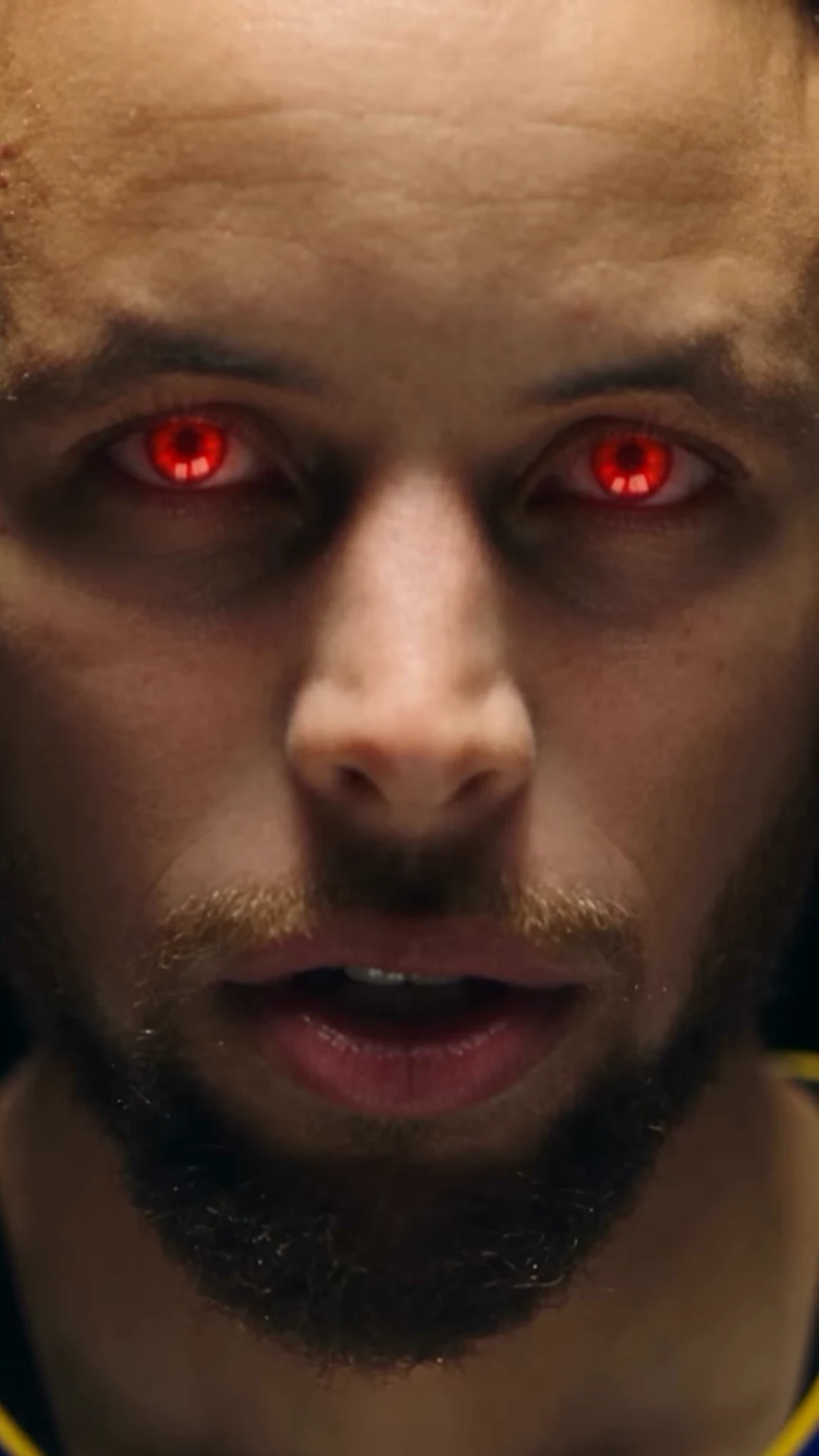
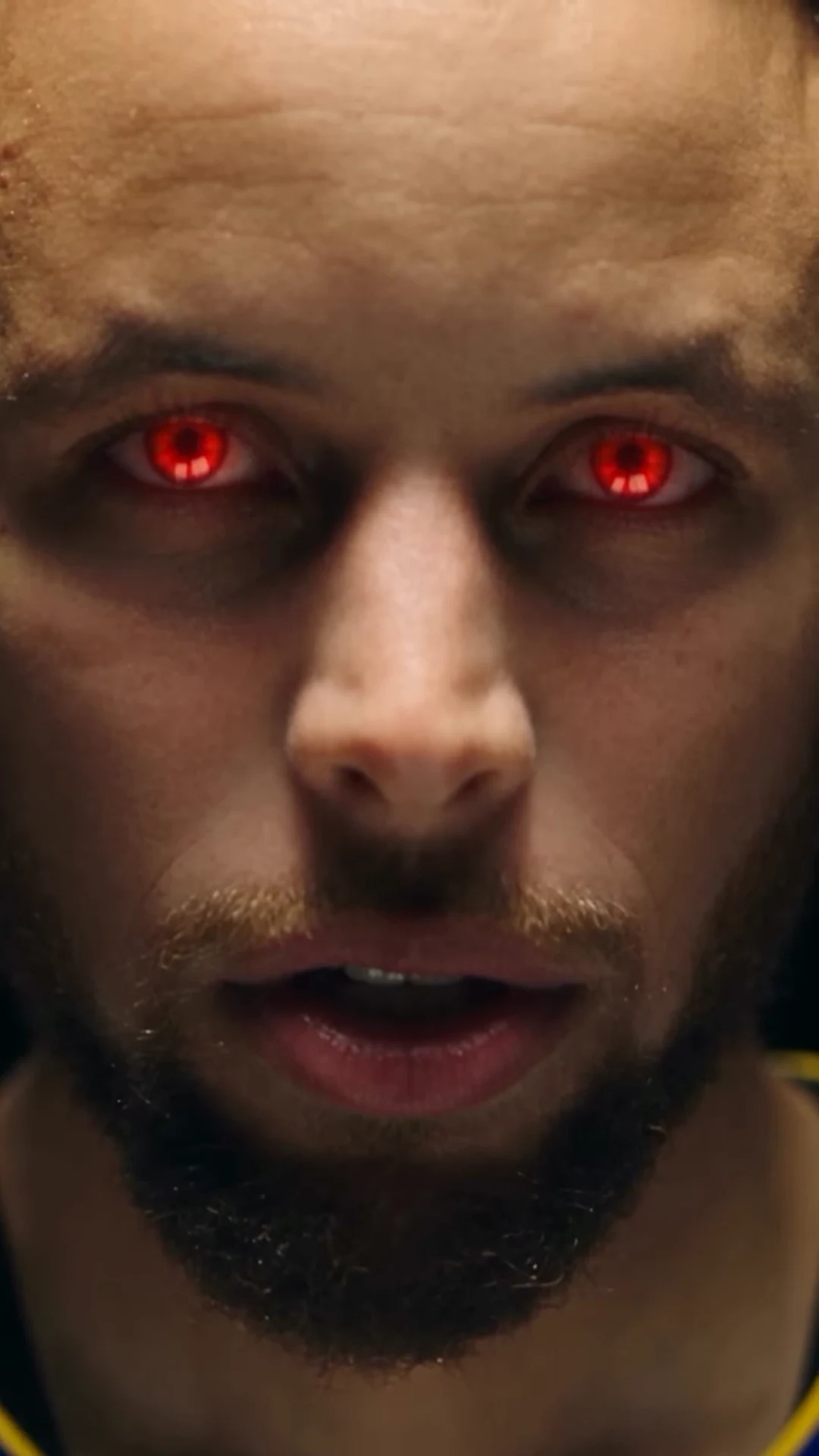
Upload one clear photo of the rapper: face visible, hair and outfit as you want them. Use a photo of yourself or of someone who has agreed to appear.
Pick 480p, 720p or 1080p and review the quote. It covers the full 21-second video plus your photo and scene preparation.
Watch the booth verse for mouth timing, then check that the same face holds through the stage, aisle, gate and blue-room shots and the red-eye close-ups.
Your photo plays the rapper in every shot with a person in it: the booth verse, the stage, the aisle, the gate and the blue room. Face, hair and outfit come from the photo, so wear what you want to see in every cut.
The first 12.5 seconds stay in a warm wood-panelled vocal booth at a hanging condenser mic. The last 8.5 seconds cut quickly between four locations, ending on a close-up with glowing red eyes.
The glowing red eyes appear only in the face close-ups, the same as the reference. Everywhere else your eyes keep their natural colour.
The preview is an AI reel, not an Oakgen result. The rap is the reel's own audio; we could not identify it as a released song, so we do not name one.
Red Eye Verse is Oakgen's descriptive name for an AI rap reel in which a rapper delivers a verse at a studio booth mic, then cuts through a fast montage that ends on glowing red eyes. Your photo replaces the rapper in every shot.
We could not match the rap to a released song or artist, and the reel does not name its audio. It may be an original or AI-generated track. The final MP4 keeps the reel's own sound, and we do not label it with a guessed title.
The reference performer is an AI-generated figure in a basketball jersey that resembles a real player. Oakgen is not affiliated with any player, team or league. Your result uses your photo and outfit, without team names, numbers or logos.
Only if your photo shows one. The rapper wears the outfit from your photo in every shot, and the template asks for plain clothes with no team or sponsor logos.
The portrait 9:16 video is about 21.04 seconds at 24 frames per second, covering the booth verse and the full montage to the final red-eye close-up.
Yes. The finished MP4 keeps the reference rap and beat. The vocal runs almost the whole clip, so check the mouth timing in the booth shots.
No. The booth, the montage locations, the cuts and the audio are fixed by the reference. Your choices are the photo and the output resolution.
Only use photos of yourself or of people who have agreed to appear, and do not use a celebrity's likeness. Label AI videos clearly when you share them.
No. The preview is an Instagram AI reel. It shows the scene and timing, not a result made from your photo.
4,597 credits per 720p video. The quote covers the full 21-second video, your photo preparation and the scene references for the booth and each montage location.
Plan a story, keep your character recognizable, and make the finished clip your own.
Choose the one photo for Red Eye Verse: what to wear across five locations, why plain clothes beat team kits, and whose face you can put in a rap video.
A storyboard of the 21-second Red Eye Verse reel: the booth verse, the montage cuts and the three red-eye beats, with caption timing, cover frames and trimming advice.
Upload 1 photo. Everything else is set.