
Video trend

Car Repair Skit Dialogue: Every Line

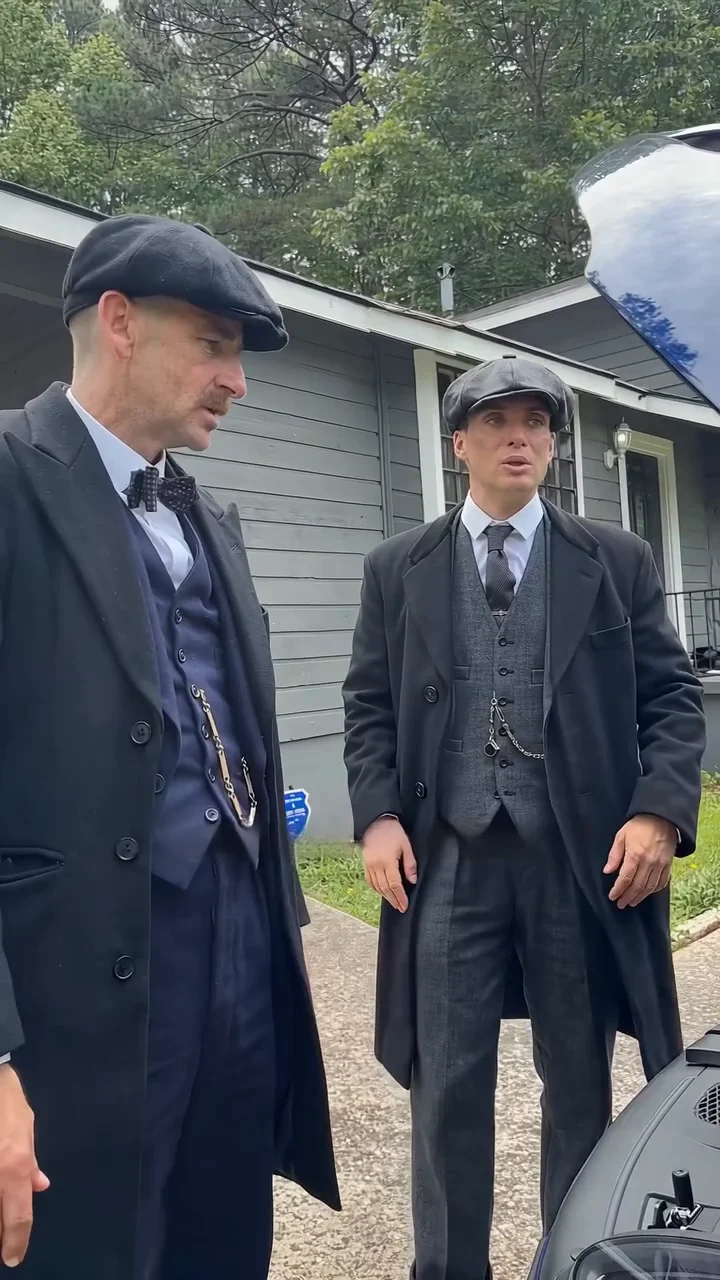
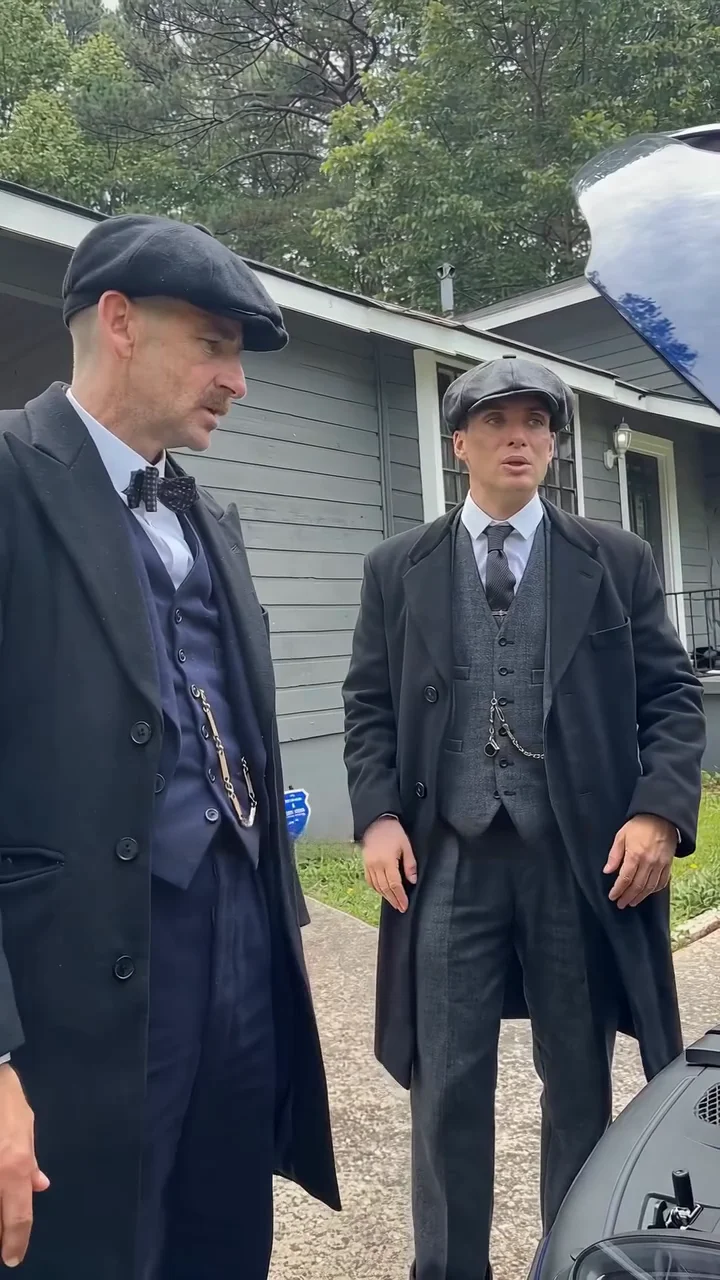
Here is the full exchange from the 15-second car-hood skit, line by line, with who says each line and roughly when. "Left" is the taller man in the flat cap, bow tie and navy waistcoat, the bow-tie character. "Right" is the man in the grey three-piece suit, the grey-suit character. Profanity is softened. Transcribed from the clip by speech-to-text and a video model; wording may differ slightly, and we have not checked it by ear against the original.

Final video
15 seconds
Your input
1–2 photos
Quality
720p
THE ORIGINAL15 SEC / 9 / 16
Car RepairYour photo. This scene.

The script with times and speakers

01

0.0 to 3.8 s: diagnosis and accusation

At 0.0 to 1.8 seconds, left says "Yeah. That's the problem right there." while leaning over the open hood and touching the plastic housing, then stepping back. At 1.9 to 2.4 seconds, right says "What?" with hands behind his back, looking into the engine bay. At 2.5 to 3.8 seconds, left says "[You] f'd the trans (transmission)." The "you" is clipped in the audio, and the shortened word is car slang for the car's transmission.

02

4.5 to 8.5 s: denial and insistence

At 4.5 to 5.5 seconds, right gives a short denial. Our transcripts split on its exact wording, so we do not quote it. At 6.8 to 7.8 seconds, left says "Yes, you did." At 8.0 to 8.5 seconds, right says "Nuh-uh." This short word was picked up by only one of the transcripts.

03

8.7 to 12.6 s: the excuse

Right speaks for almost four seconds, the longest stretch of the clip: "Okay, it was dark though. I was drunk. I didn't know." All three transcripts agree on the words dark, drunk and didn't know. He delivers it with arms spread while the left figure listens in profile at the edge of the frame. The line is a comic character excuse, so use it in a caption as a quote and avoid presenting it as advice.

04

12.9 to 15.0 s: the reaction

Left closes the clip at 12.9 to 15.0 seconds: "What the f— are you talking about?" Two transcripts agree on it and the third missed it. Left has listened in profile since the excuse began, and the clip ends on this line without a cut.

05

Timing tips for captions and edits

The longest pauses between lines are about 1.3 seconds after the denial (5.5 to 6.8 s) and about 0.7 seconds after the diagnosis (3.8 to 4.5 s), so those are the easiest places for a text reveal. Put captions in the quiet frames, not over a face. The excuse is the longest line, so a two-line caption starting at 8.7 seconds is easiest to read. Keep each text block on screen at least a second.

06

How this transcript was made, and what Oakgen keeps

We cross-checked a video-model transcript with two speech-to-text passes. Where two of three agreed we call the line consistent. There are two exceptions: the one-word "Nuh-uh", from a single source, and the short denial at 4.5 to 5.5 seconds, where the transcripts disagree on the words. We cannot say who first said these lines, since we could not verify the original audio or its makers. In Oakgen's version your photos replace both people, but the soundtrack, strong language included, stays as in the reference clip.
Explore the Car Repair trend

How to make it

Choose the roles you want to change. Add a photo for each selected role.

Bow-tie character in the Car Repair source video
Bow-tie character
Grey-suit character in the Car Repair source video
Grey-suit character
  1. 01

    Pick the two roles

    Add a clear photo for the bow-tie character, the grey-suit character or both. Use photos of yourself or of people who have agreed to appear. One character per photo.

  2. 02

    Review quality and price

    Choose 480p, 720p or 1080p. The credit quote covers the complete 15-second edit and the preparation of only the photos you select.

  3. 03

    Check the exchange

    Watch who speaks when, check both faces in the yard and review the hood scene at the start before downloading your portrait MP4 with sound.

01

Two roles, two photos

The bow-tie character leans over the engine, makes the accusation and delivers the deadpan closing question. The grey-suit character stands in the yard, denies it and gives the long explanation. Your photos replace both, or one of them.

02

One continuous take

The handheld 15-second portrait clip has no cuts: a suburban yard, a grey clapboard house and a black car with its hood up. The camera and body motion follow the reference.

03

The whole exchange

The final MP4 keeps the reference sound, so the diagnosis, the accusation, the denial, the long excuse and the closing question play out in order. The clip ends on that question, as the reference does.

04

A reference clip, not a result

The preview is the reference clip this template follows, not an Oakgen result. We have not verified the original sound or who made the clip.

Photo tips

  • One character per photo
  • Use sharp, front-facing faces
  • Show the cap, bow tie or suit you want
  • Use photos of people who consented
  • Check both mouths, including the closing question

Questions & answers

What is the car repair AI trend?

It is a one-take driveway skit where one man in a flat cap and bow tie argues over an open car hood and another in a flat cap and grey three-piece suit gives a long explanation in the yard. Oakgen lets your photos play both roles.

What is the "You F'd the Transmission" trend?

It is the name people use for this skit, written here with a softened spelling and the car part spelled out. The clip's abbreviated wording is car slang for the transmission: the bow-tie character spots the problem under the hood, and the twist comes from the second character reacting as if he had heard something else. We did not find the original skit or the creator of its audio. The accusation and the closing question both come from the bow-tie character.

Can I use a photo of someone else?

Only use photos of yourself or of people who have agreed to appear. Do not upload private photos of others or anyone's likeness without permission, and label AI videos clearly when you share them.

How many photos do I need?

Add one photo per role, up to two. A role left empty keeps the character from the reference. Both characters share the yard, so check both faces in the result.

Does it keep the original sound?

Yes. The final MP4 keeps the reference dialogue, and that original soundtrack contains strong language, so it may not suit every audience or platform. We have not verified the original audio or its creator, so we do not label it with a guessed source. Generated lip sync can vary, so check the long speech and the closing question.

How long is the video?

The output is 15 seconds in portrait 9:16 format and covers the whole reference take.

Can I change the dialogue or scene with a prompt?

No. The yard, the car, the camera and the dialogue are fixed by this reference. Your choices are the photos and the output resolution.

Is the preview generated by Oakgen?

No. It is the reference clip and not an Oakgen result. Generated faces, caps and car details can vary, so review your video before sharing.

How much does it cost?

3,173 credits per 720p video. This two-role price includes both photo preparations. Selecting fewer roles reduces preparation costs; the complete video is still edited. Review your selected quote before generating.

Ideas for your next video

Plan a story, keep your character recognizable, and make the finished clip your own.

Explore the video trend playbook →

Make your Car Repair video

Upload 1–2 photos. Everything else is set.

Make this video