01Face toward the camera
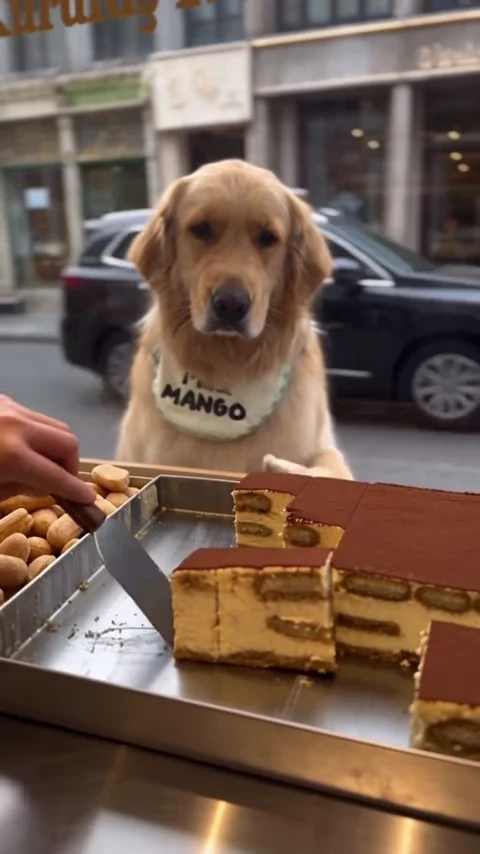
In the reference the dog looks straight through the window toward the camera for most of the clip, and the deadpan stare is the payoff. A photo with your pet facing the lens, eyes and nose clearly visible, gives the template the view it needs most. Side profiles, faces partly hidden behind a toy or a hand, and photos taken from directly above the head give it less to work with.
02Show ears, muzzle and markings
What makes your pet recognisable is usually the ear shape, muzzle length and any markings: a white blaze, a darker mask, patches, brindle striping. Choose a photo where those are in focus and evenly lit. Strong backlight, deep shade, motion blur and heavy filters can flatten a coat into a single colour. Wet fur and fresh grooming cuts change the silhouette, so pick a photo that looks like your pet on a normal day.
03Upright or sitting beats lying down
The customer spends the clip standing tall with front paws on the window ledge. A pet sitting up or standing gives a closer match in posture and chest than one curled up or stretched out on a sofa. Front paws visible in the photo are useful because the paws do most of the acting: thumbs-up, the two-paw “this much” gesture, a paw on the chin and a paw on top of the head.
04One animal, cropped close
Use a photo with only the pet you want at the window. Crop out other animals, people’s hands and busy backgrounds before uploading, keeping the head, chest and front legs in frame. If two pets share a photo, the template has to guess which one you meant, and there is only one customer role.
05Collars, bibs and clothes
The source dog wears a white bib printed with its own name. That name is not copied into new videos. If your pet is not wearing anything in the photo, the template may add a plain white bib with no lettering to keep the look of the scene. If your pet wears a harness, bandana or sweater in the photo, that clothing is the reference instead. Name tags and printed text are best avoided; small lettering rarely reproduces reliably.
06Cats, small dogs and other pets
The template keeps your animal’s species, so a cat stays a cat and makes the gestures with its own paws. Animals with very different builds from a retriever, such as a small dog, a cat or a rabbit, will lean on the ledge differently, and short legs may make the paw gestures read less clearly. That is a reasonable expectation from the scene, not a measured result. Check the paws and ledge contact closely in any result before sharing.