 ChatGPT
 Claude
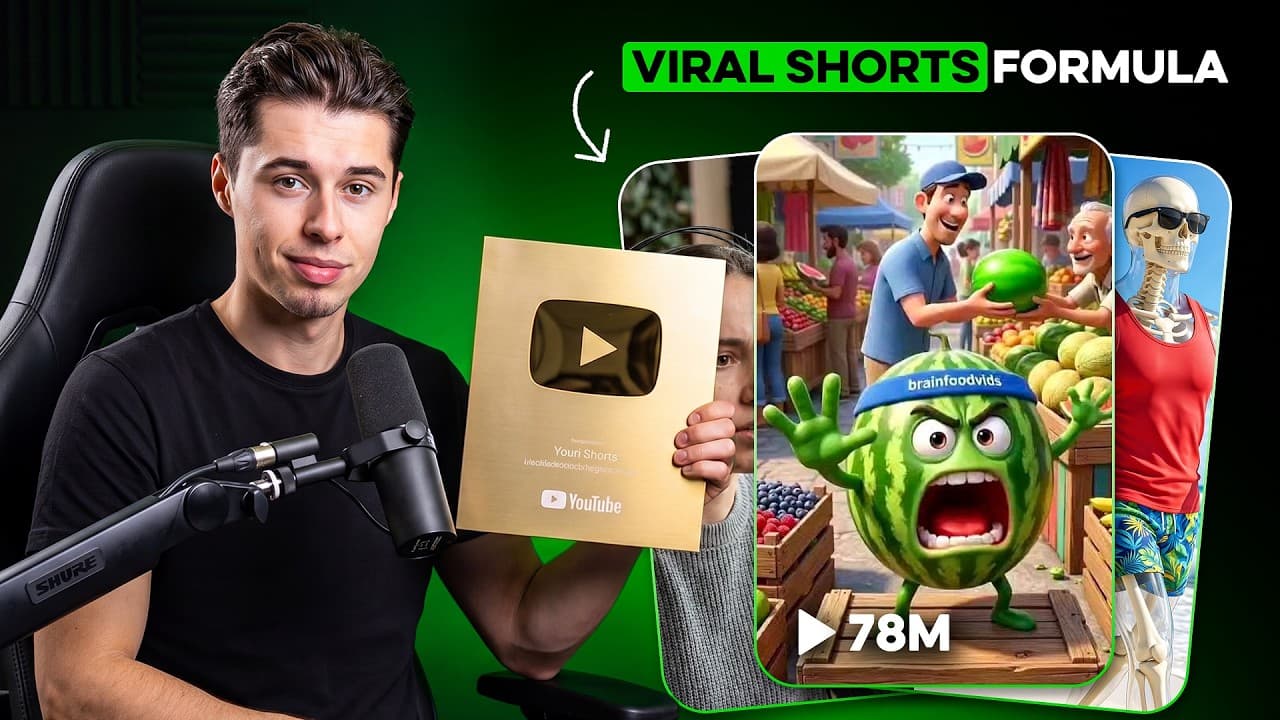 8:09
Start here
How to make YouTube Shorts with AI: full guide
Learn a repeatable five-step workflow using AI tools to find viral concepts, write punchy scripts, generate voices, create meme visuals, and assemble YouTube Shorts.

Compare models side by side
Run one prompt through up to six image models at once.

Everything Oakgen can make
Image, video, voice and music features, with the models behind each one.
AI agents
Workflows
Free course2 parts5 guides
How to run a faceless YouTube channel with AI: pick a format, write the script, make the voiceover and visuals, and keep each video original, with video guides.
A faceless channel posts videos without the creator on camera, usually a voiceover over images, clips or animation. With AI, most videos follow the same steps: pick a topic, write a script, generate the voiceover and visuals, then edit and add a thumbnail. Start with one format and one voice, and make sure each video adds your own ideas, because YouTube does not monetize repetitive or mass-produced content.
Part 1
A YouTube Short, a storytelling video and a long-form explainer, from the idea to the finished edit.
8:09Learn a repeatable five-step workflow using AI tools to find viral concepts, write punchy scripts, generate voices, create meme visuals, and assemble YouTube Shorts.
 9:30
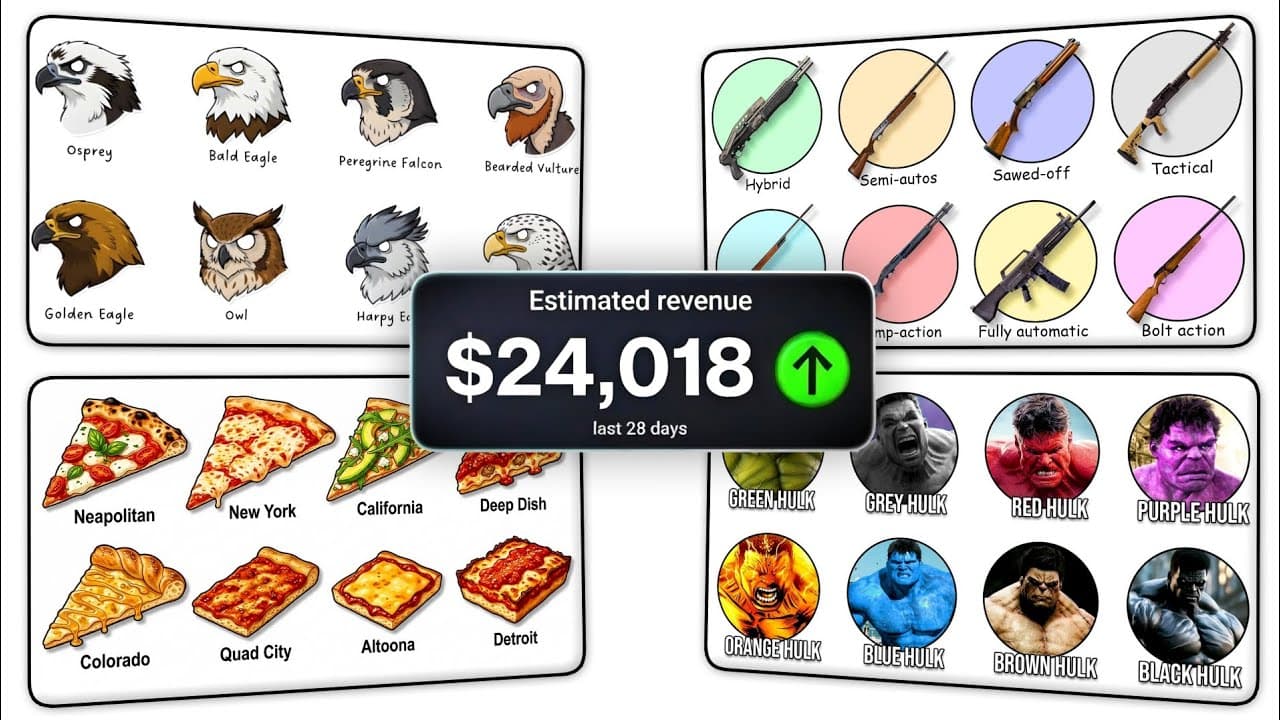
Learn the step-by-step process of producing high-performing YouTube explainer videos using AI prompts, stock assets, and basic editing software.
 18:14
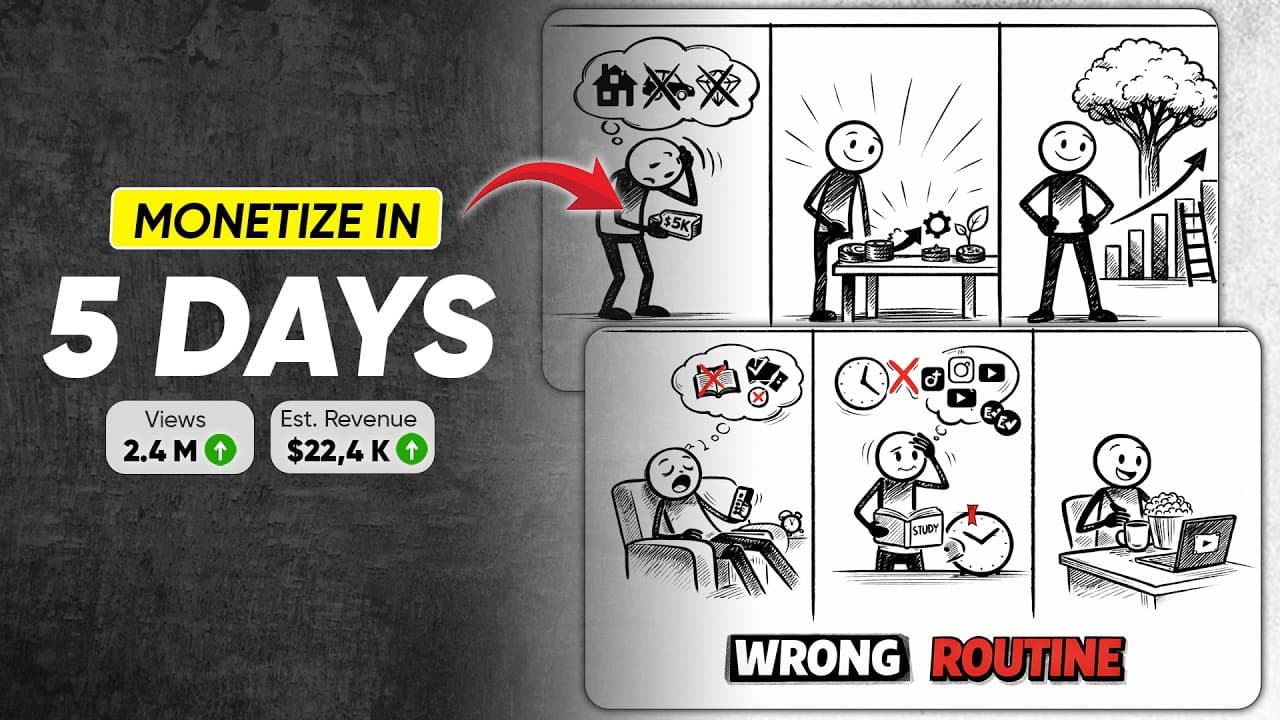
Discover how to launch an AI-driven, faceless finance channel on YouTube. Learn the complete workflow from channel branding to scripting, generation, and editing.
Part 2
Make full videos with free tools, cartoons, stickman animations and history documentaries, keep every video in one style with a detailed prompt, then automate production.
 15:58
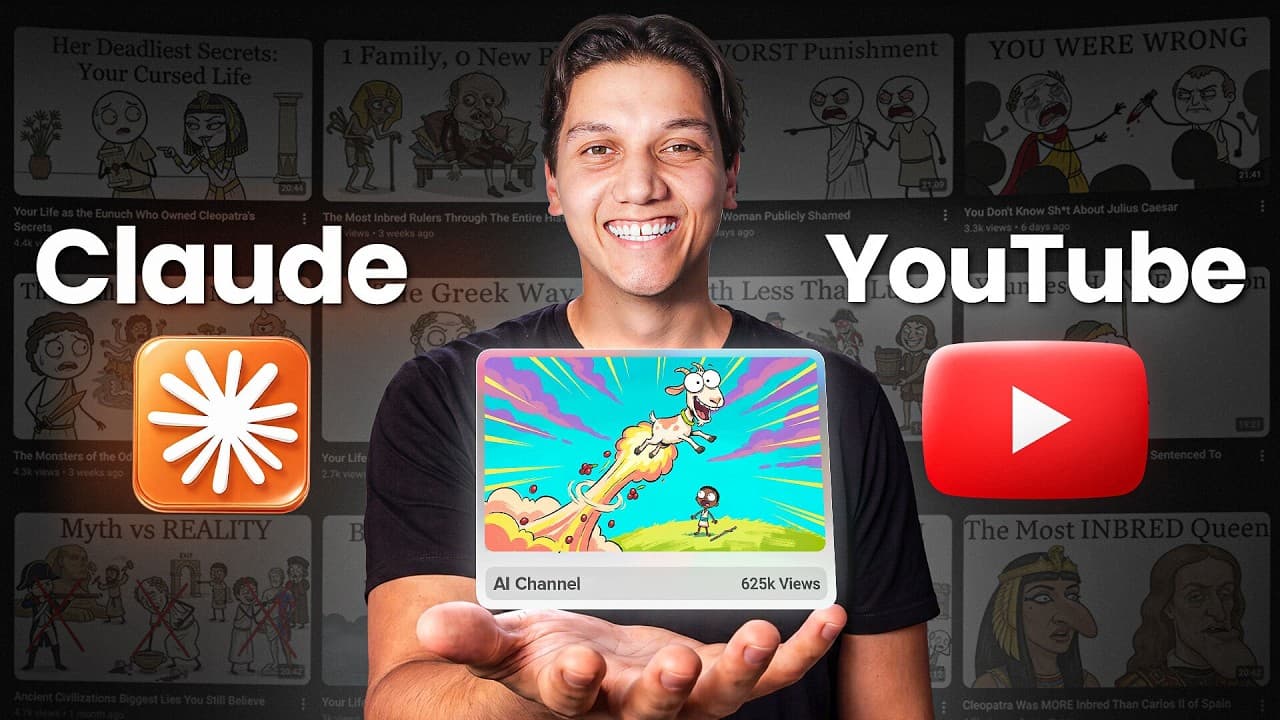
Discover how to connect Claude Code with Higgsfield to generate distinctive, fully automated faceless videos using tailored prompts and custom brand files.
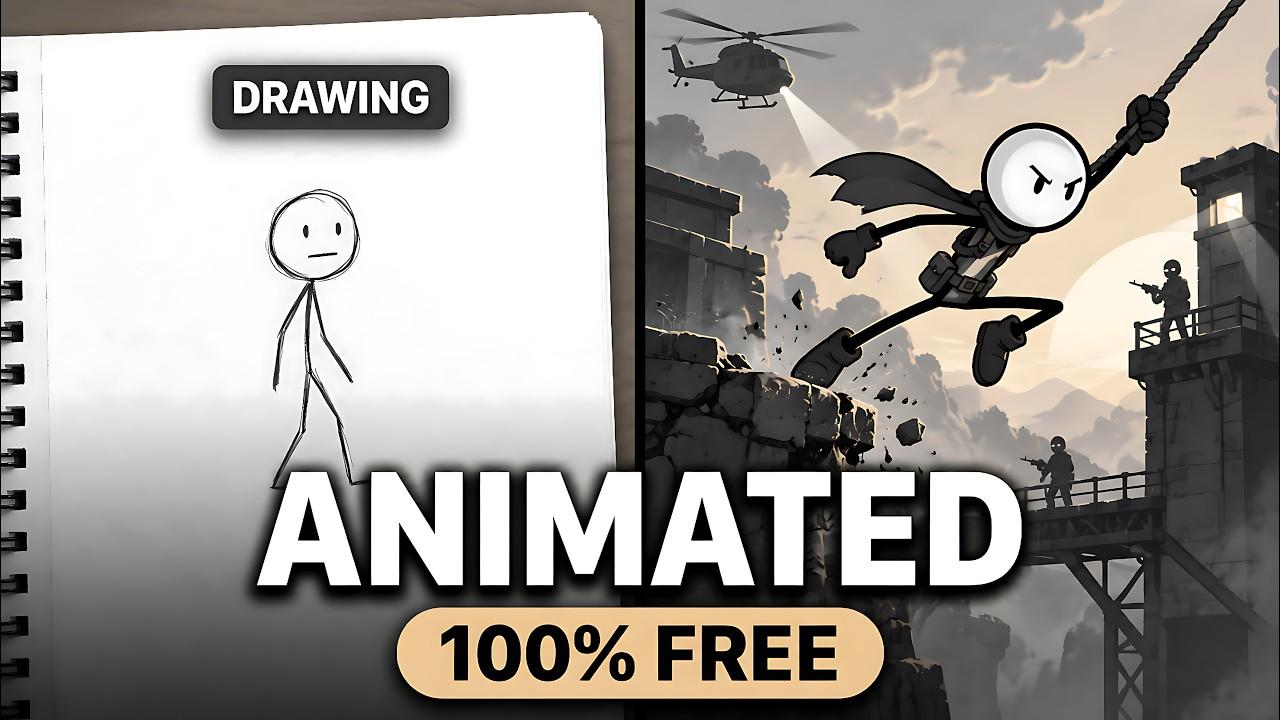 19:04
Discover how to elevate ordinary stickman explainers into polished, character-driven videos using ChatGPT, Google Flow, ElevenLabs, and CapCut.
A channel where the creator never appears on camera. The videos are usually narration over images, stock or generated clips, animation or screen recordings, which makes them a good fit for AI voiceovers and visuals.
YouTube's channel monetization policies allow automated tools and templates, but say the final video must still show your creative vision and give viewers educational or entertainment value. Repetitive or mass-produced content, which YouTube calls inauthentic content, cannot be monetized. That includes AI-generated videos made from generic templates without your own insight. Check the current policy in the YouTube Help Center before you apply.
No. One guide in this path makes a full video with free tools. Free plans limit how much you can generate and sometimes the quality, so expect to pay once you post often.
Use the same narrator voice, the same visual style or character, and the same structure of hook, story and ending in every video. One guide in this path writes these rules into one detailed prompt and reuses it.