ChatGPT
 Claude
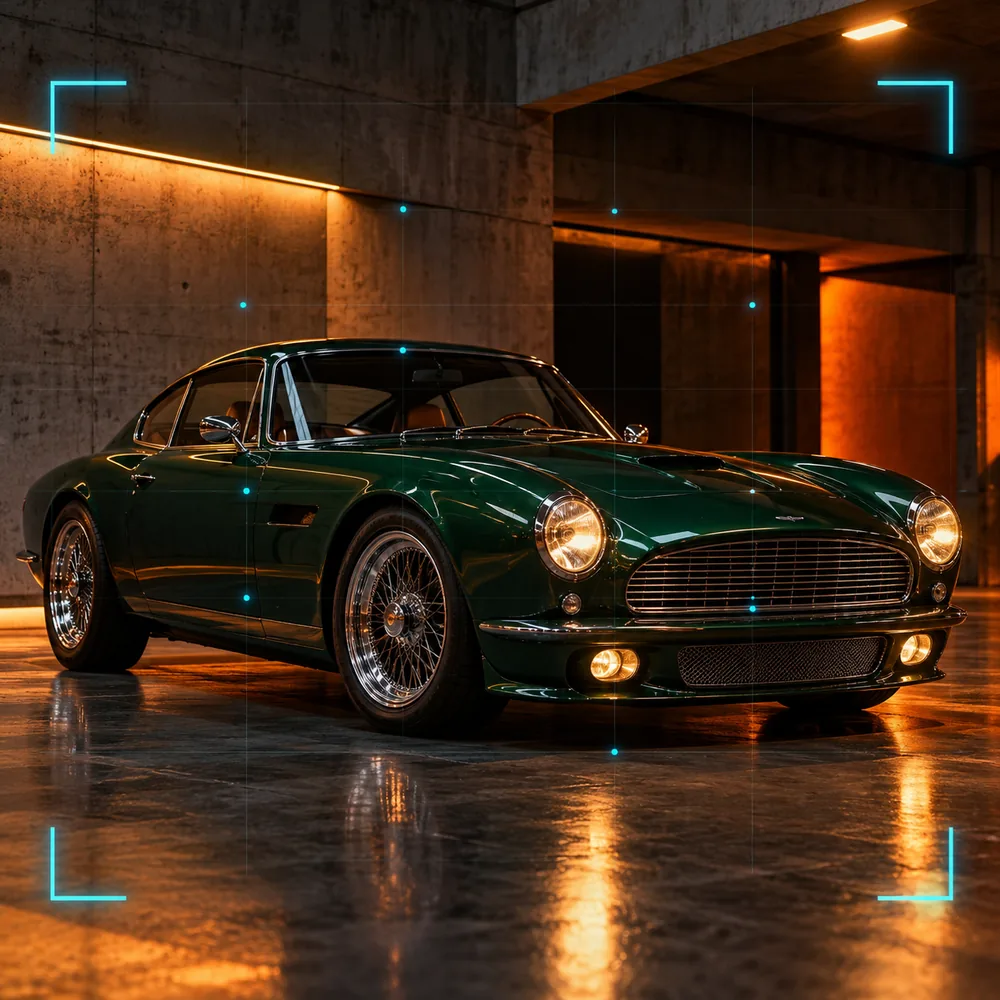
The car behind your grandparents may be easier to place than the street. Start with the picture that shows the most bodywork. A recognizable badge can give you a make. The shape of the lights, the grille and the side windows can help narrow it to a model. Save an untouched copy of the scan before cropping it.
Choose the crop that leaves you something to compare
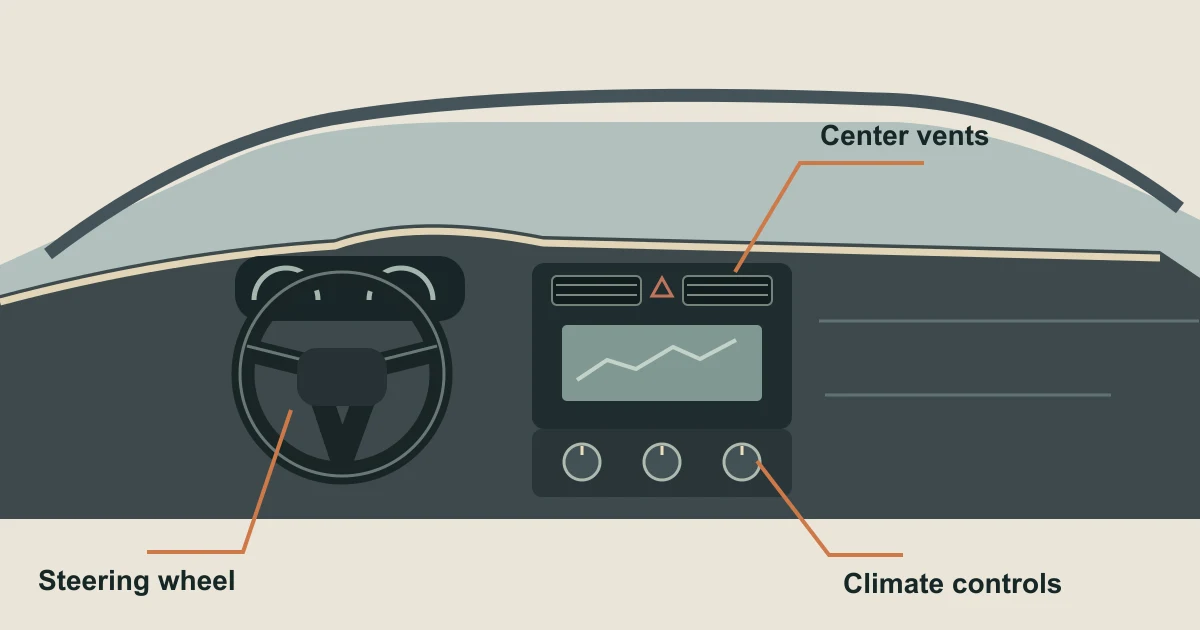
If everyone was photographed inside the car, use the dashboard and interior photo guide. The steering wheel and heater controls give you a different set of clues.
If the car fills only a corner of the picture, trim empty pavement and sky. Leave the nose, wheels and roof in the frame if you can. A close crop of a badge may tell you who made the car while cutting off every clue to its model. If two cars are parked together, crop one or identify it in the notes as “the dark car on the left.”
Open the Car Identifier and upload one image. Include facts you know independently, such as “taken in Ontario before the family moved in 1978.” If the date on the album is a guess, say so. A good question for the notes is “Which features distinguish the two most likely models?”
Test the name against the picture
Start with the report’s model identification. Find one of the suggested details in the original scan yourself: a split grille, the outline of a rear lamp, or the shape of the small window behind the back door. Compare it to a dated manufacturer brochure or a clearly identified photograph of the same model, preferably taken from the same side.
| If the picture shows | What to record |
|---|---|
| Several matching features from one model family | Model family, plus the features that agree |
| A clear make badge and little bodywork | Make only |
| Two plausible generations with the rear hidden | Both candidates and the missing view |
| A later wheel or an unfamiliar trim badge | The detail as seen, with the trim left open |
A confidence label is the analyzer’s assessment. A dated brochure, an old purchase receipt or a photograph from another angle gives you a separate piece of evidence. For a vehicle you still own, a readable VIN may lead to manufacturer-reported details through the NHTSA VIN decoder.
Write a caption that can survive a correction
Imagine a family print with a handwritten date of 1972 and a clear front grille, but no rear view. A useful provisional caption might read, “Grandad beside the family sedan, summer 1972 per album note. Make visible on grille. Exact model to confirm.” Save a promising model name in the archive notes with the reason you considered it.
Only tighten the caption when you find another distinguishing detail. Even if you establish the model year, it tells you how early the photograph could have been taken. A ten-year-old car looks perfectly at home in a later family picture.
Frequently asked questions
Can you identify a car if the badge is unreadable?
Sometimes the grille, headlight shape, door count and rear windows narrow the possibilities. A model family or generation may be the most specific name the picture supports.
Does identifying a car date the photograph?
A confirmed introduction year gives you an earliest possible date for the photo. The car could still have been photographed many years later.