

 ChatGPT
 Claude
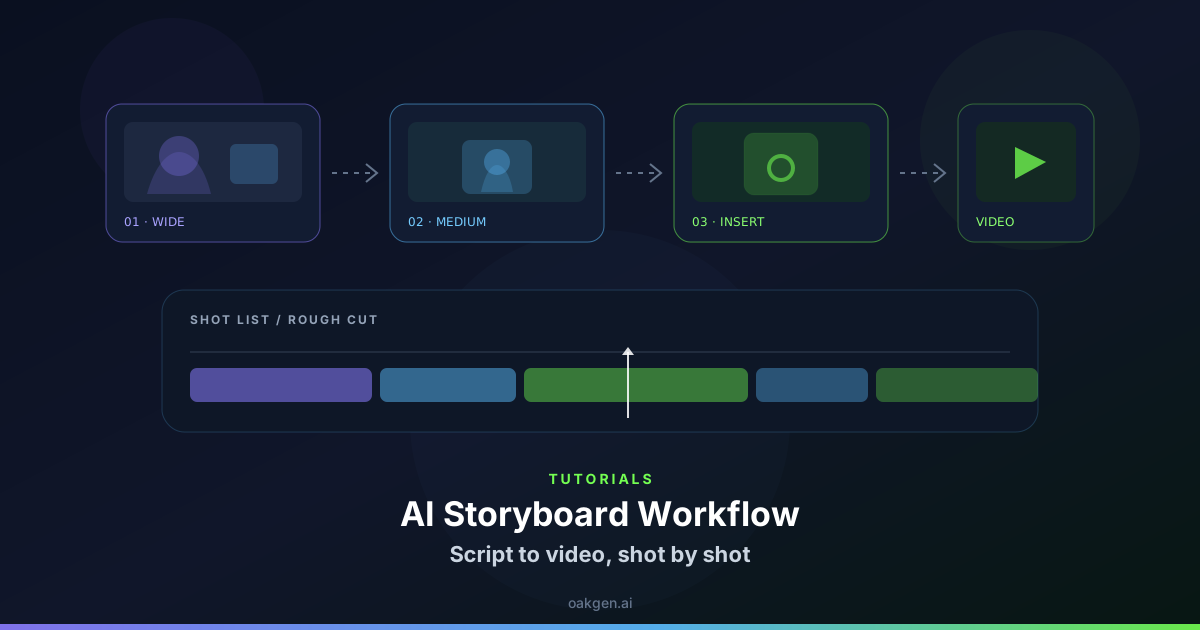
A two-perspective episode works when both versions depict the same event and reveal different information. Build a shared timeline before generating a subjective version of each angle. Repeat time cues and object states exactly where they carry the comparison.
Establish three simultaneous events
For a scene about an unanswered doorbell, write the exact order of the ring, a kettle click and a phone notification. In one take the visitor hears the bell and sees an empty window. In the other, the resident hears the kettle and receives the notification before noticing the bell. Use the micro drama generator to plan variants and keep the doorway, the time of day and wardrobes consistent.
Make a simple beat sheet with each event's approximate time, whether it appears on screen and which person can perceive it. This keeps the two versions from accidentally changing who caused the delay.
Verify what changes between views
Play both cuts back to back. Check that the physical door opens at the same point and that the phone lights at the same part of the interaction. The resident can notice a different event without the visitor changing position. Use an exact shared audio cue when timing matters and you have a suitable recording.
If a generation introduces a new cause, such as the door opening before the visitor touches it, remove that frame or swap in an approved insert. It can confuse the audience about which interpretation belongs to the story.
If either perspective omits the doorbell, check that omission is clear from what the character hears or sees rather than from an accidentally muted sequence.