

 ChatGPT
 Claude
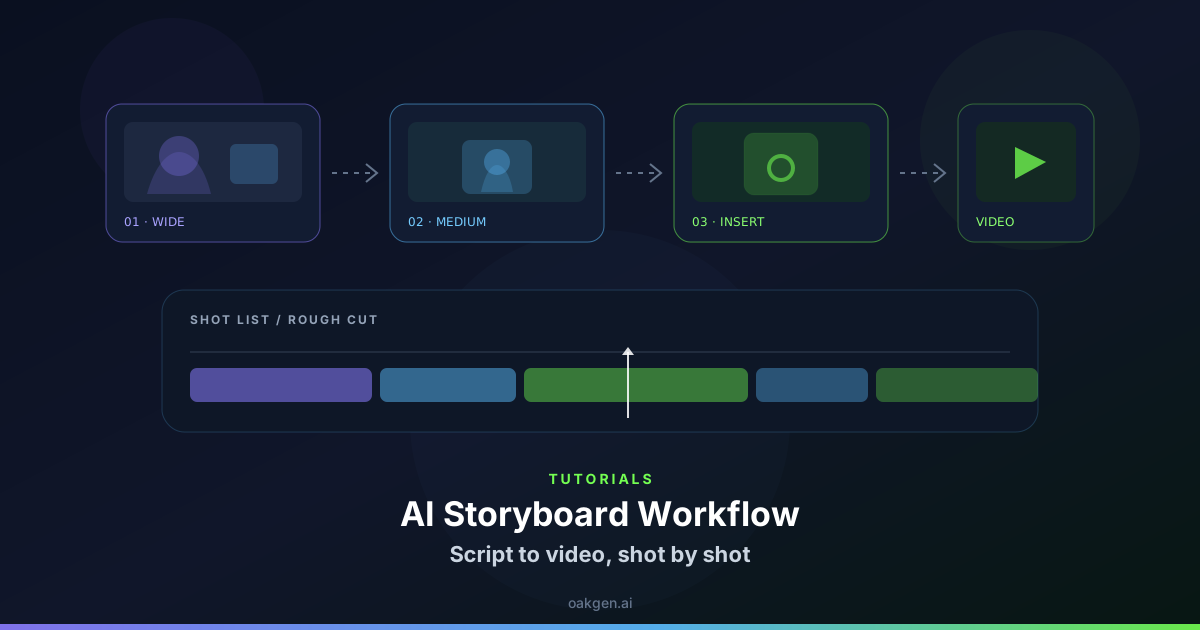
A micro drama recap should restore the previous decision or unresolved question. It shouldn't replace the earlier scene with a brighter reconstruction that subtly changes what happened. Start from the actual approved clips and only add neutral transitions if they make the sequence easier to follow.
Pick the last meaningful decision
Imagine an office story where one character leaves a key beneath a calendar. To start the next episode, show the last clean shot of their hand and a brief reaction from the other character. Reference these in the storyboard built with the micro drama generator. Keep the key beneath the same edge of the calendar even in a new angle. An inconsistency can make the recap appear to introduce a revised event.
Skip a summary of every conflict from the prior episode. A recap can restore who acted, what changed and why the next moment matters in a few simple beats.
Review before the new episode runs
Play the recap for someone who saw the original. Check what they expect to happen next. Then play it for someone who didn't see it and verify they can identify the relevant action. If the recap discloses the hiding place before the story has established that the audience should know it, move the key insert later.
Save a clean recap without the new episode's audio. It gives you a stable campaign excerpt and reduces the risk of cutting next week's reveal into the intro.
Save a still of the calendar corner as a continuity reference, but use the real preceding clip in the recap whenever it shows the action clearly enough.