ChatGPT
 Claude
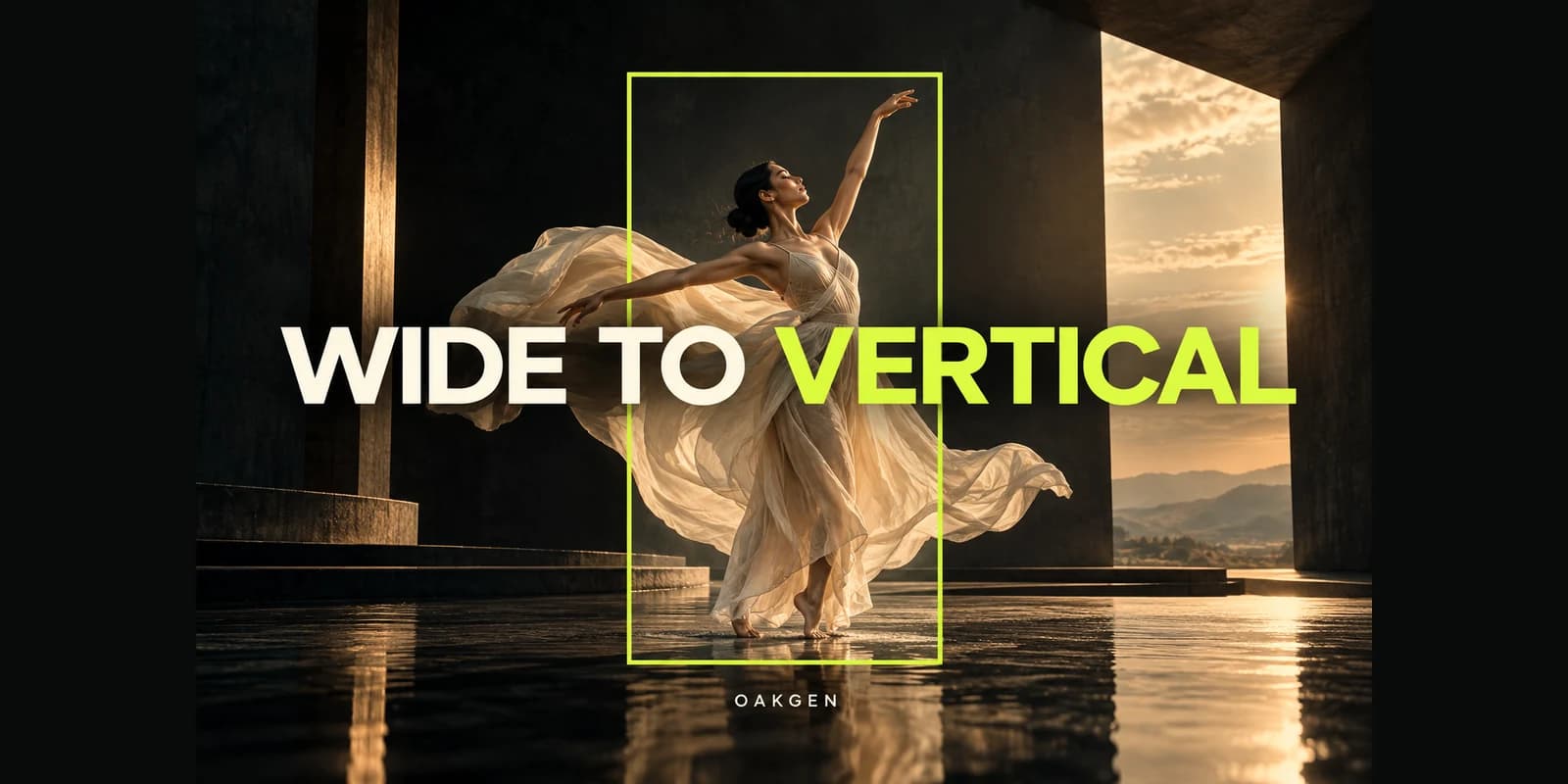
A wider real estate image can solve a presentation problem while creating an accuracy problem. A visually convincing extension may add floor area, views, furniture, or architectural features that a prospective buyer could reasonably assume exist. When a layout forces an odd crop, make the original photograph and its documentary purpose the starting point.
Choose a verifiable boundary
Suppose a horizontal image tightly frames a balcony. A brochure needs another strip on one side for a heading. First try a panel outside the photograph and keep the actual space in view. If you extend the canvas creatively, use a blank wall or empty background wherever possible. Avoid reconstructing a rail or continuing the view, since both can make a generated addition look like part of the property. Retain a version with the original frame.
Record what changed during review
Mark the original rectangle in a working file. Compare fixed features such as trim, wall corners, outlets, and the railing between the two versions. If a reader could infer a new feature, do not present the candidate as an unaltered listing photo. An abstract background next to the original can give you the same marketing space and preserve the integrity of the photographed interior or exterior.
Use the clean version where accuracy matters
The AI image extender can help create decorative surround for a labeled marketing layout. It cannot verify the generated geometry against the actual property. Where a listing platform or a local rule sets conditions for retouching, consult that policy before publishing. Keep a straightforward decision rule: if the extension could change what a buyer expects to find, ship the original in a wider design frame instead.