ChatGPT
 Claude
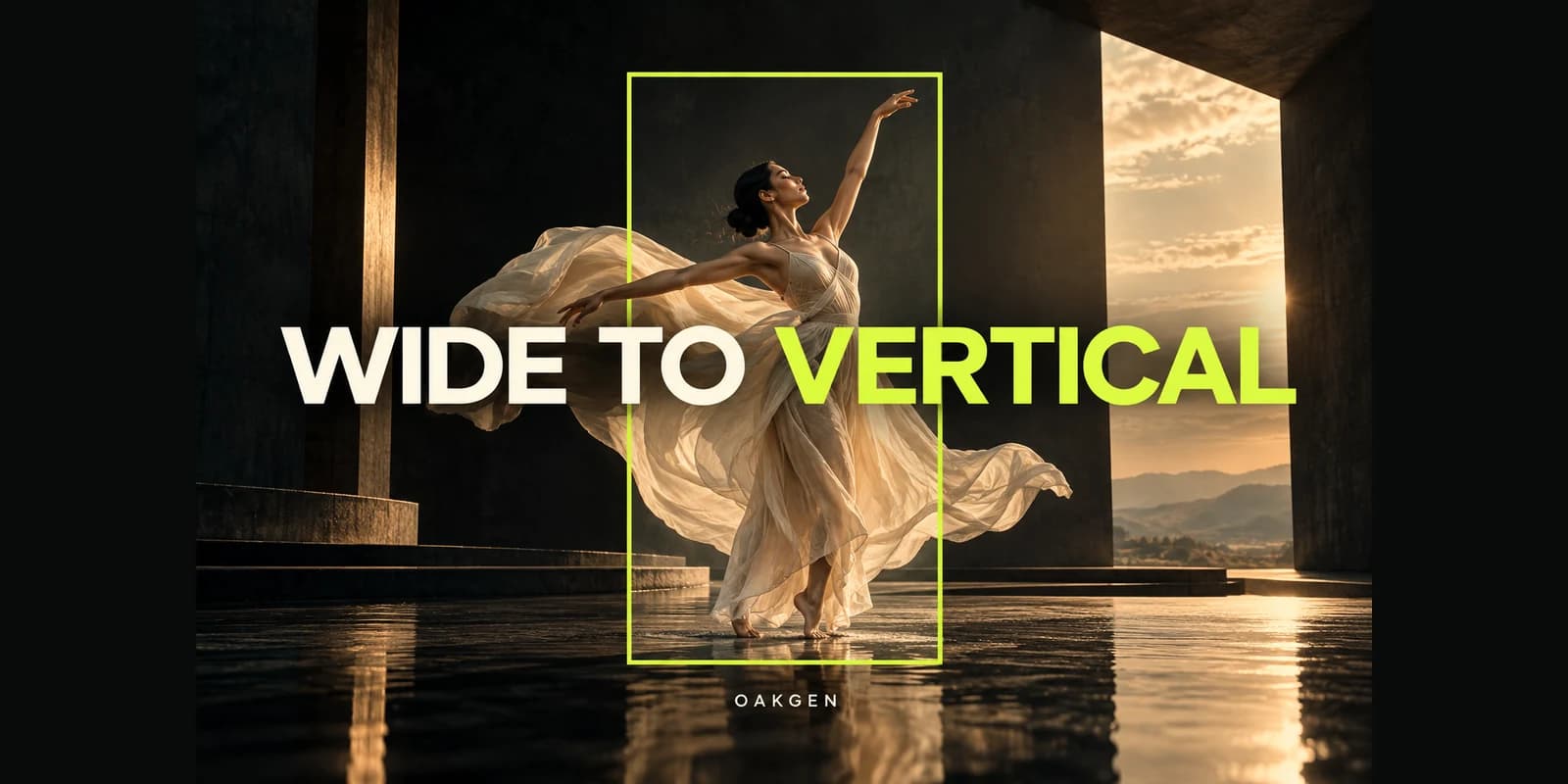
Expanding a crowd photo can produce extra faces, additional rows and implied attendance that the camera did not record. If the purpose is an accurate event record, preserve the original frame. For a poster design, plan neutral surrounding space that helps the layout without changing the number or appearance of people visible.
Count the people at the edge
Imagine a theater lobby image with three visible people close to the right border. Identify which people are cropped and which bodies are fully inside the frame. If an added area would have to reconstruct someone's clothing or face, it may be preferable to add a clean graphic panel. A decorative poster often benefits from a designed area for date and location without pretending it is part of the event.
Compare the original layer against the new bounds
If continuing a quiet wall, align it with the original picture and inspect the join. Look for new silhouettes, repeated hair or hands and shadows that suggest invisible people. Compare moving lines like stairs or queue barriers rather than simply deciding the photo feels wide enough. The audience should not confuse an extension area with a newly captured section of the lobby if that would change their interpretation.
Keep the honest version ready
Try the AI image extender only for a defined decorative treatment on a copy. Save the untouched photograph for reports and documentary uses. If an extension causes viewers to infer more people or see different faces, use an explicit visual boundary or return to the original and give the design more space outside the photograph.