ChatGPT
 Claude
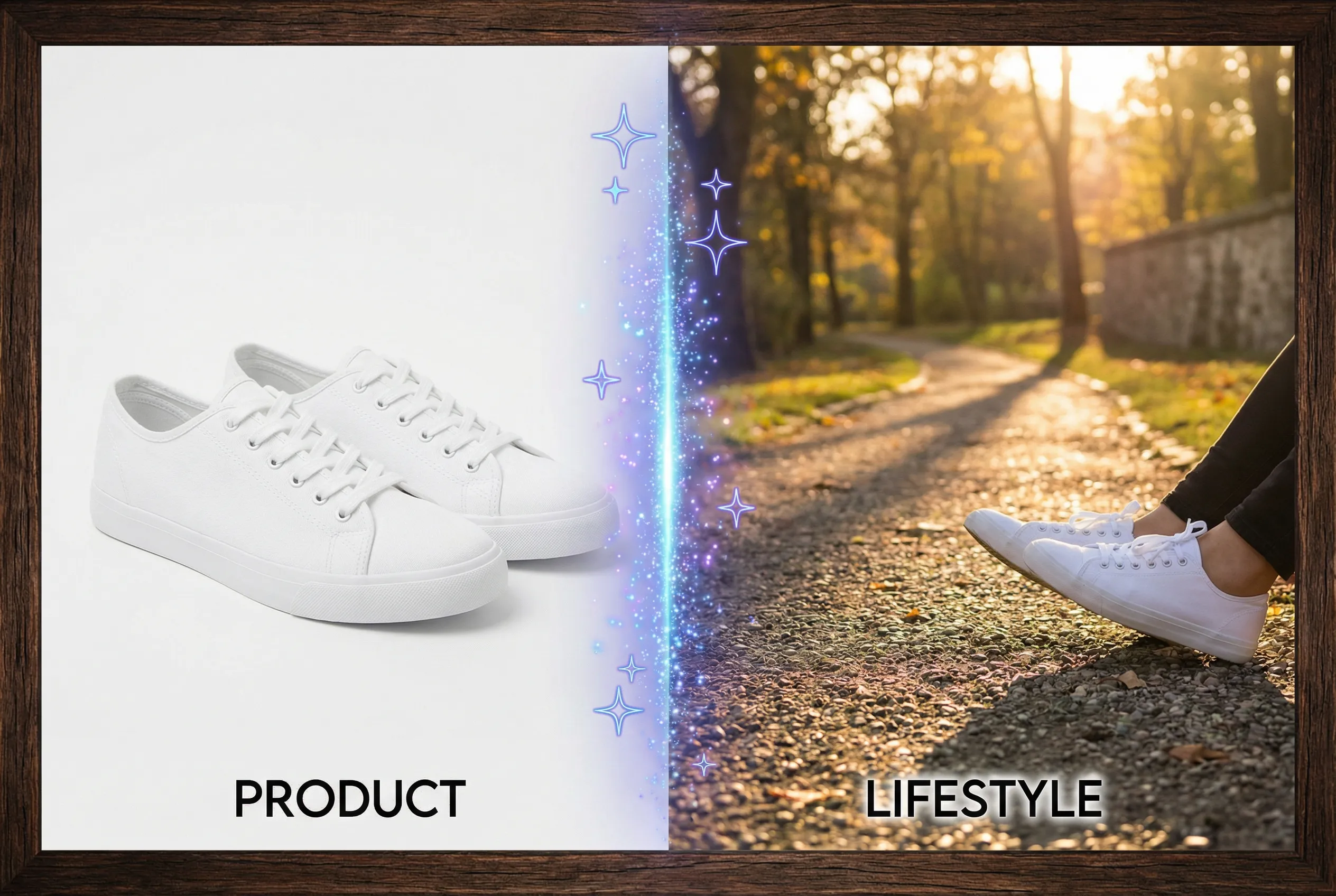
Pixel dimensions describe the shape of an image, while its file size measures the encoded bytes. A 1,200-pixel-wide JPG can be smaller than a 900-pixel-wide PNG when the files contain different content or use different compression. For an upload form, check the limit that triggered the error and verify the actual file after exporting it.
Read both conditions
Suppose a form accepts photos up to 1,200 pixels wide and at most 500 KB. A photo of a wall may already meet the byte target, while a dense forest at the same dimensions does not. Many tiny leaves and color transitions are harder to compress cleanly. Record the width, height, file type, and bytes of the current image. If both limits are stated, leave room under each rather than judging from a preview.
Change the cheaper constraint first
Prepare the needed dimensions once. If the image is too heavy at the correct size, compare two JPG compression settings using the same crop. Inspect lines, hair and dark gradients where blockiness or rough edges tend to show. For transparency or diagrams with crisp text, keep a suitable format if the destination accepts it. Reopen the output to check dimensions and bytes as separate values.
Use the file the form actually receives
Set a realistic target in the image compressor, download, and verify the saved byte count. If a 500 KB boundary is interpreted differently by the form and your operating system, aim below it. Keep a full-quality original for future uses and label the smaller copy by its purpose so it is not mistakenly used as the master.