ChatGPT
 Claude
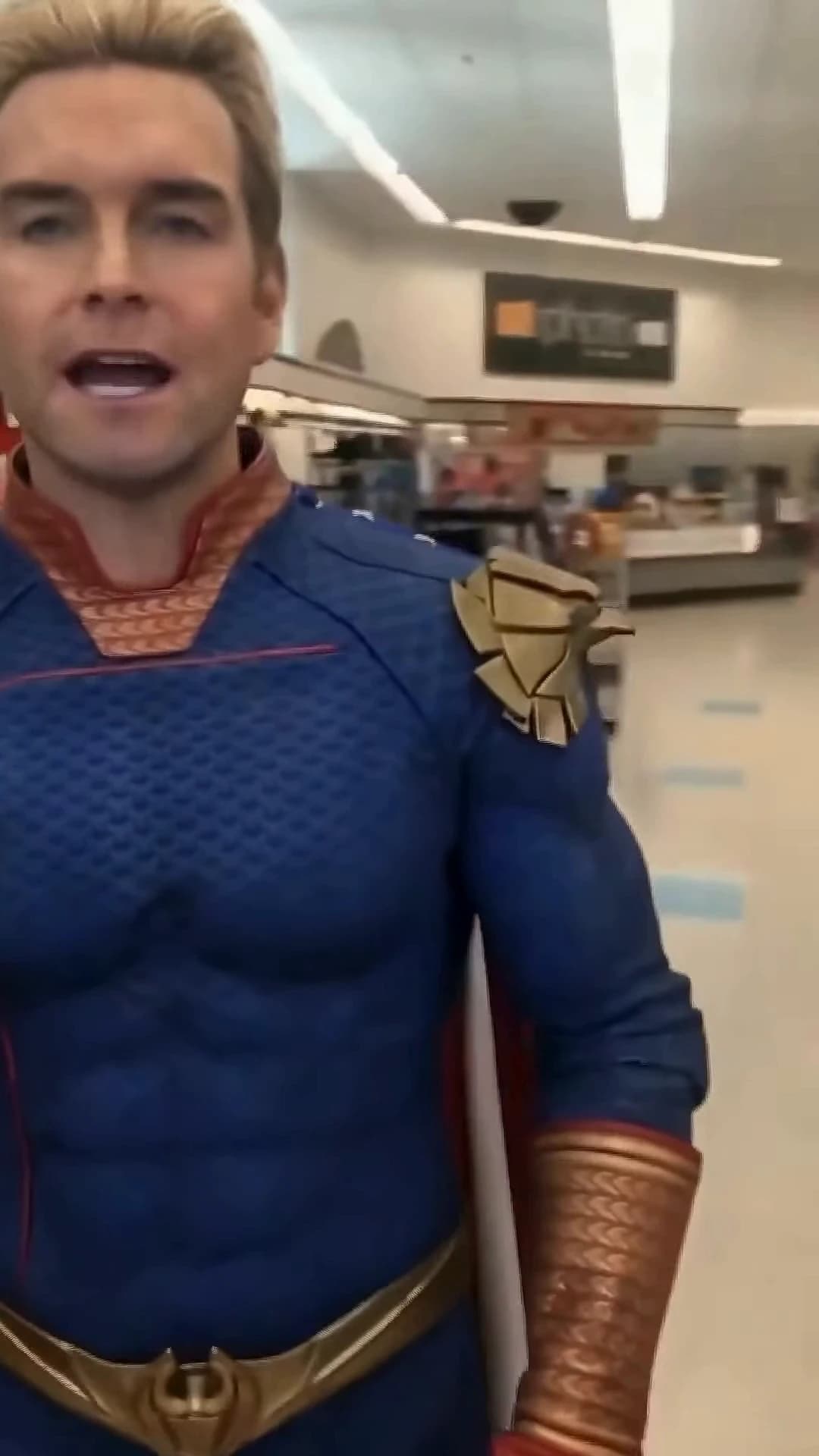
"You're not that guy, pal. Trust me, you're not that guy." It is one of the internet's most reusable put-downs, and the newest way to use it is an AI store video: someone faces an offscreen camera operator in a pharmacy as the camera tilts up, moves closer and catches the put-down. Oakgen's You're Not That Guy template lets you put anyone who agreed to it in that role from one photo. If you already know you want one, skip to how to make it.
Make your own You're Not That Guy video
One photo, the original audio and the full handheld close-up, from the aisle to the mouth close-up.
Where the line comes from
The phrase comes from a video filmed in a store in 2020 that spread on Reddit and Twitter that autumn. In it, a man tells someone, more or less word for word, "you're not that guy, pal, trust me, you're not that guy". The audio was cut loose from the video, reused as a sound on short-video apps from 2021 onwards and turned into a catchphrase. Meme trackers file it under put-downs for overconfidence: you say it to someone who thinks they are more impressive than they are.
The reason it survived is the wording. "That guy" is vague enough to mean anything, a tough guy, a big shot, a main character, and "pal" makes it sound friendly and condescending at once. "Trust me" is the twist of the knife.
Why the superhero version took off
The AI clip this trend is built from pairs the old audio with a new picture: a man dressed as Homelander from The Boys, a superhero famous for smug, fragile confidence, facing an offscreen camera operator in a pharmacy aisle. The joke works twice. The line itself is a put-down, and the character is the most obvious possible "that guy", so it reads either as him being told off or as him telling you off.
The clip also uses a framing that is funny on its own. The phone starts too low, catching only the body, then rises to the face, then keeps going until the screen is nothing but a mouth and a chin. Anyone who has had a relative video-call them from below recognises it.
Why it gets funnier on someone you know
A celebrity in a costume is a character bit. A friend is a roast. When the person telling you "you're not that guy" is your flatmate in his work fleece, or your mum, the line becomes about something real: the new car, the marathon, the crypto. That is why this template replaces the whole person, costume included. Your photo decides the face, hair, build and outfit, and the setting stays an ordinary pharmacy.
It works in both directions. Cast the person who is clearly that guy, and it is a self-own. Cast the gentlest person you know, and the confidence is the joke. The captions and casting guide has more on picking the target.
How the template rebuilds the clip
The template does not paste your face onto the reference. It works in three parts:
- A motion guide. The reference clip is turned into a guide where the store stays as it is and the person becomes a grey depth silhouette, with thin tracked lines for the face where it is in shot. Those lines carry the mouth movement into the close-up at the end, where only the lower face is visible.
- Your prepared photo. Your photo is prepared and passed to the video model as the only person in the scene, including their outfit. The reference's superhero suit, cape and gloves are left out on purpose.
- The original audio. The aligned audio is sent with the guide so the visible mouth follows that speaker's words and pauses for the offscreen voice, and the original soundtrack is restored in the finished video. You do not record anything, and it is not a voice clone.
The preview on the trend page is the reference clip, not an Oakgen result. We have not reviewed generated results yet, so treat the preview as a guide to the timing and the framing. What changes between the reference and your version is covered in the reference clip and your version.
Keep it a joke
The line mocks someone by design. Use photos of yourself or of people who agreed to appear, aim it at friends who are in on it and label the video as AI-made when you post it. Do not upload photos of actors or celebrities, and do not post it about strangers or colleagues who did not agree.
More spoken-line trends
If the appeal is one quotable line delivered straight to camera, two other Oakgen templates work the same way with a different tone: The One Who Knocks is a calm, menacing speech in a long close-up, and Boy It's Just Alcohol is another one-line meme you can put a friend in.
Related reading
- How to make the You're Not That Guy AI video: from photo to posting, step by step.
- The 9 seconds in order: every beat of the clip with timings.
- Your photo and what it controls: which photo holds up in the face and mouth close-ups.
Frequently asked questions
Where does "you're not that guy, pal" come from?
From a viral 2020 video filmed in a store, in which a man tells someone "you're not that guy, pal, trust me, you're not that guy". It spread on Reddit and Twitter and became a reused sound and a catchphrase.
Why is there a superhero in the trend clip?
The AI reference that started this trend puts the line in the mouth of a man dressed as Homelander from The Boys, a character known for exactly that kind of smug confidence. Oakgen's template keeps the line and the camera movement, not the costume, and is not connected to the show.
Is this a face swap?
No. The person is replaced whole, so your face, hair, build and outfit come from your photo, and a motion guide carries the movement, camera and mouth timing.
Is the preview made by Oakgen?
No. It is the reference clip the trend comes from, not an Oakgen result.