Oakgen.ai
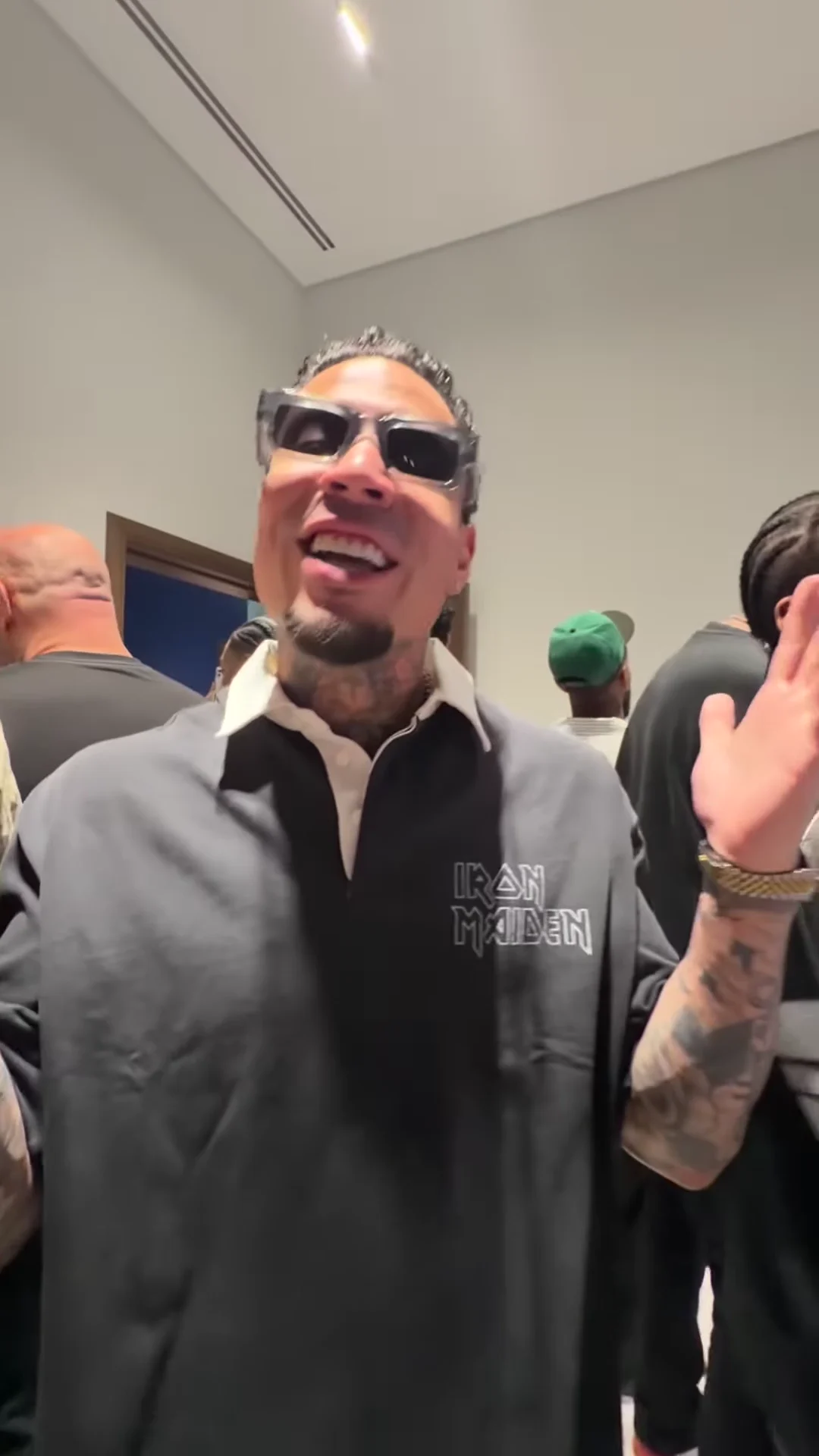
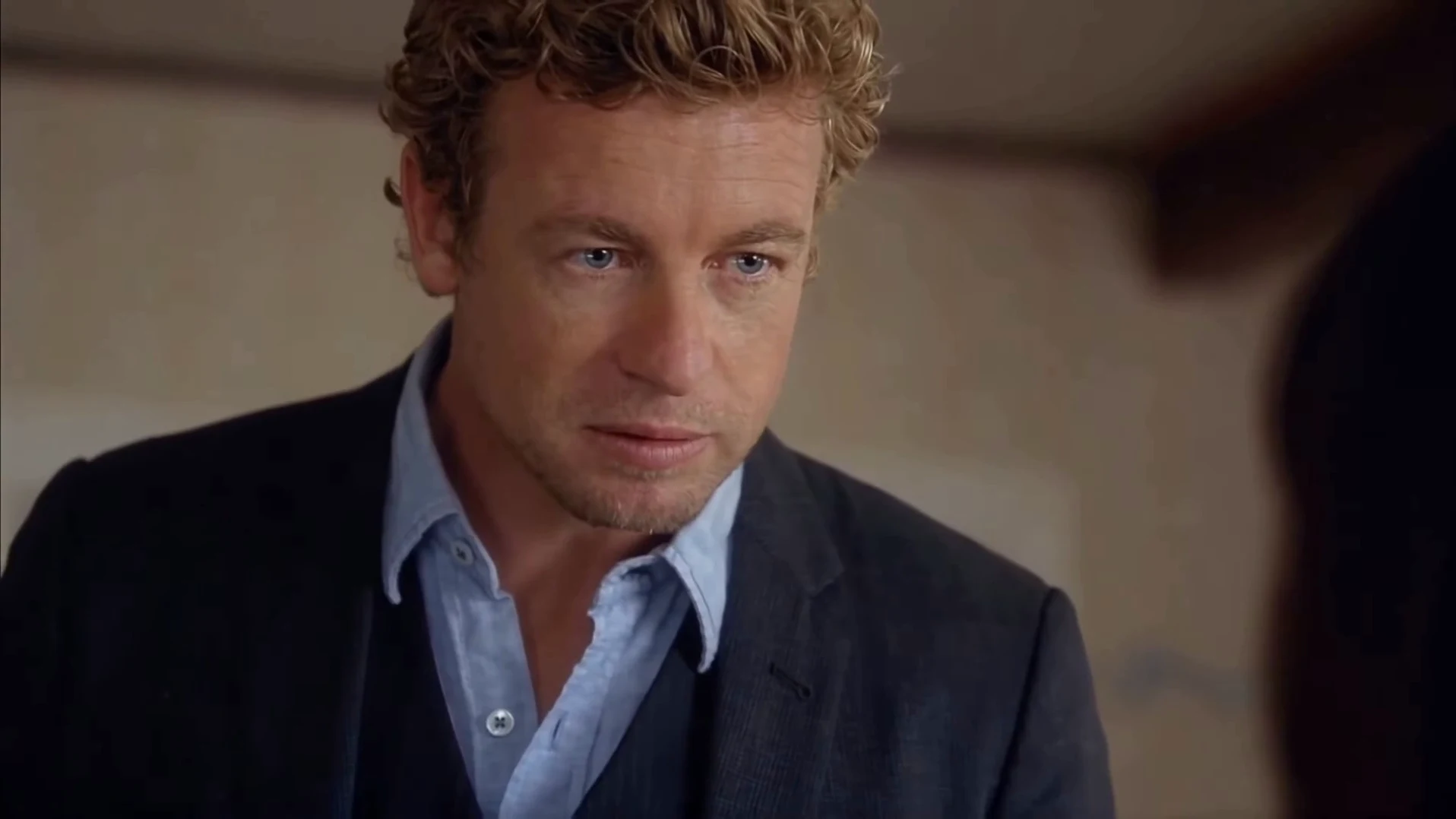
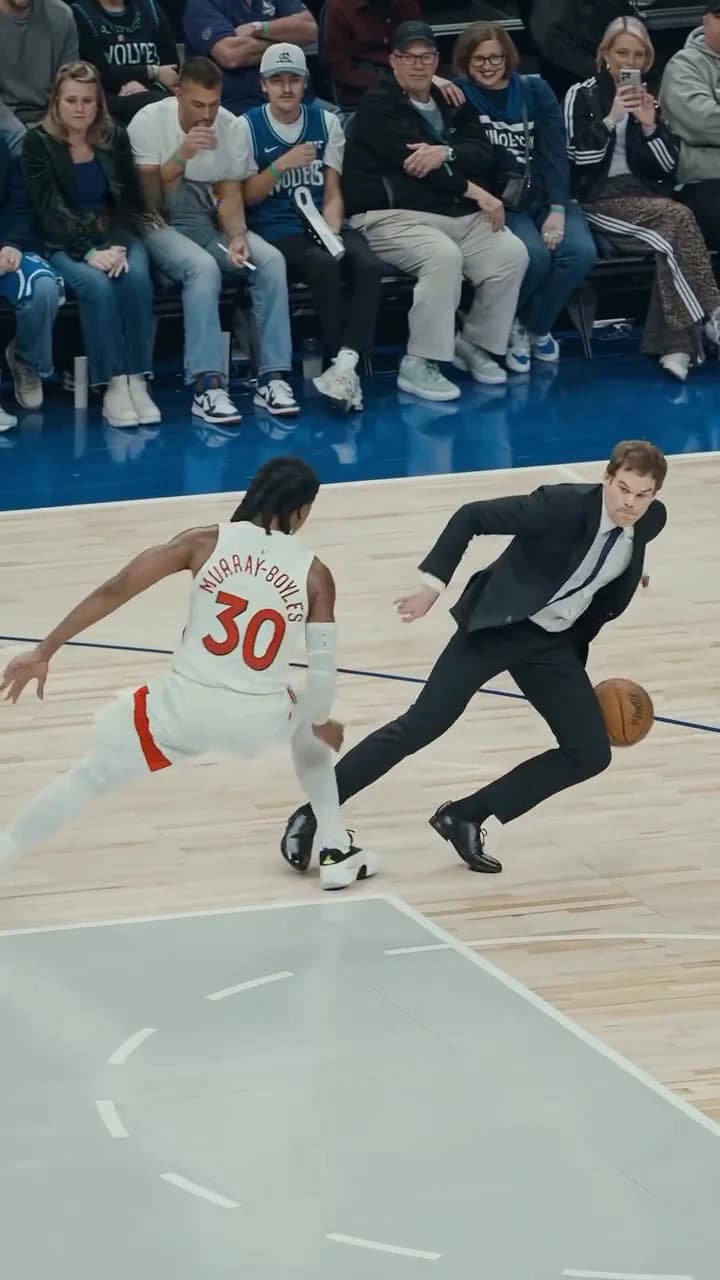
The Baby Lip Sync is a 37-second group video in one long take. A phone moves through a packed room, seven people take over the same pop song in turn, and the camera finally lands on someone who has been standing there all along, while the whole room falls apart laughing. In the trend, all eight are people from your photos. If you already know you want one, skip to how to make it.
Put your people in the take
Eight photos put your group in the whole 37-second lip sync, with the original audio.
What happens in the clip
There are no cuts to speak of. One handheld phone swings from person to person, with each of them getting a few seconds of the song. They clown around, make hand gestures and play it completely straight. The room behind them is bright and crowded, with people who are clearly part of the moment.
The clever part is the first frame. The final person is already standing next to the first singer, so the ending is set up before you know there is one. The turn-by-turn breakdown shows the timing.
Why the song works
The audio is "Baby" by Justin Bieber featuring Ludacris, a 2010 pop song that most people know without trying. We identified it from its lyrics. It is the contrast that makes it funny: a teen-pop chorus coming out of a room that looks too cool for it. The song explainer goes further into that and into what this template does not do.
Why the last person makes the video
Seven people singing is fun. Seven people singing and then the camera finding someone who should not be there is what makes people send it on. That is why the closer is the slot to plan first.
It also suits how real groups work. Every friend group, office or team has a person who would never do this, and that person is the whole video. Who to cast last has more on this.
How we named it
We searched for an established name for this exact clip and did not find one. Search results also tell us about naming, not how many people search for it, so we make no claim about demand. Baby Lip Sync is a plain description: the song, and what people do to it. You may also see it described by the song or as a group lip sync.
How the template rebuilds it
A model cannot generate 37 seconds in one go here, so the template works in three overlapping stages:
- Three motion guides. The real room stays, and the cast become grey depth silhouettes, with traced lines on their faces carrying expression and mouth timing. Each guide covers one part of the take, split while the camera is moving between people.
- Your eight photos. Each person's face, hair, build and outfit come from their own photo. They are prepared with a face mesh that is removed from the final video.
- The original audio. It goes back on at the end, so the singing is the clip's own.
Those are instructions to a model, so results vary. We have not reviewed a generated result yet, and the result checklist shows what to look for in yours.
What it is not
- It is not your voices. Nobody records anything.
- It is not any song you like. The song is part of this take and cannot be changed.
- It is not for people who did not agree. That goes for all eight. Label the video as AI-made, and never use a photo of a celebrity or someone who has not consented.
Related reading
- How to make the Baby Lip Sync trend: the steps, from choosing eight people to posting.
- Casting all eight: what each photo changes and how to pick them.
Frequently asked questions
What song is in the Baby Lip Sync trend?
"Baby" by Justin Bieber featuring Ludacris, identified from its lyrics. Neither artist appears in the clip or is connected to this template.
Why is it called Baby Lip Sync?
We did not find an established name for this exact clip, so Oakgen describes what it is: a group lip sync to "Baby".
Do I need eight real people?
You need eight photos, and each person has to agree. You can use a photo twice, but that person will then appear twice in the room.
Is the preview made by Oakgen?
No. It is the reference clip the trend comes from, not an Oakgen result.