ChatGPT
 Claude
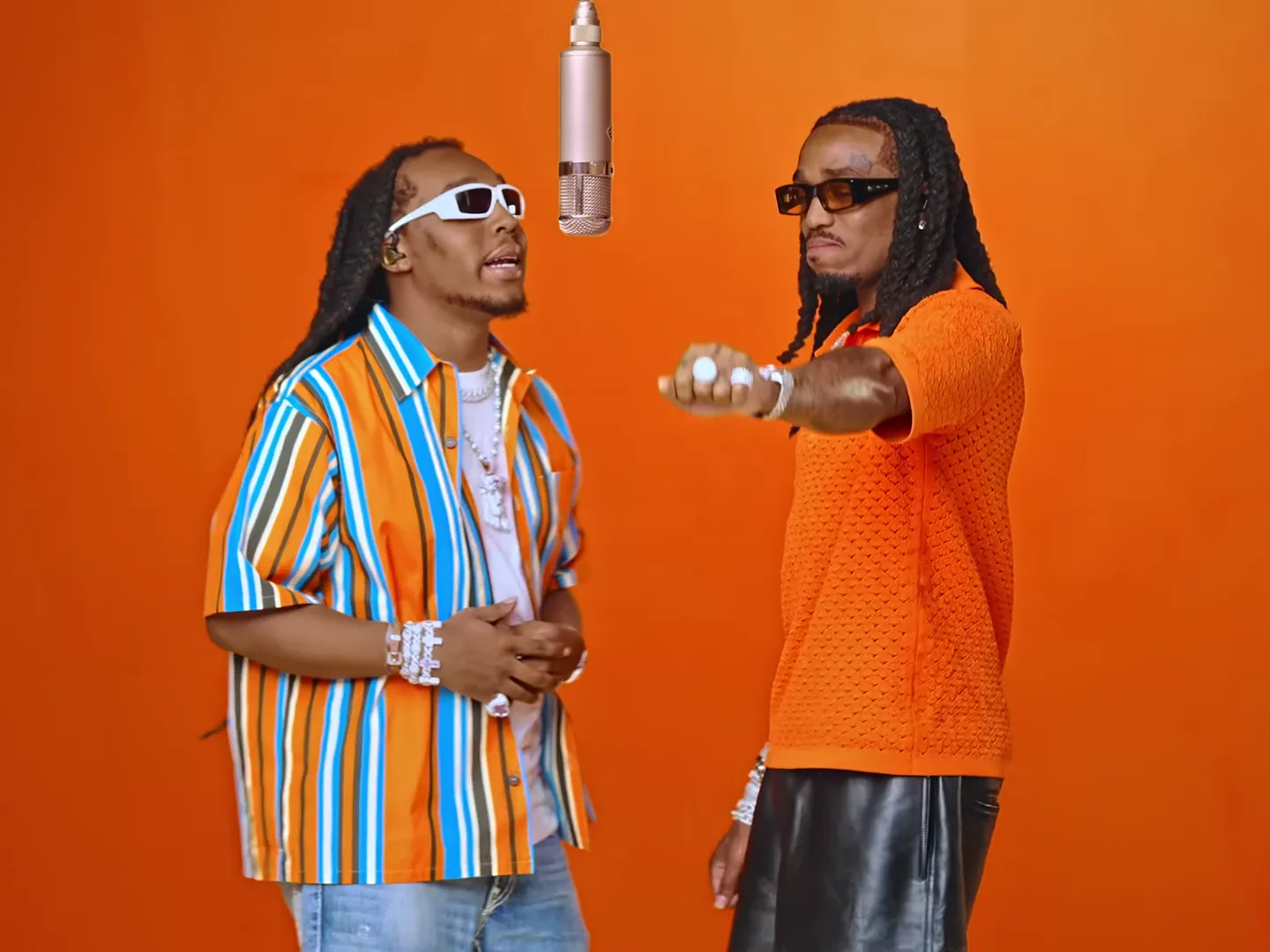
Short answer: because trends mix a real face with a familiar scene, and that is exactly what content and copyright filters look for. The Oakgen AI Video Index 2026, based on 585 trend video jobs from September 26 to November 10, 2026, found that 62.1% completed and 19.5% were blocked by a content or copyright filter. That is about 1 in 5.
For comparison, all video jobs on Oakgen completed 88.4% of the time. Trends are the riskiest thing people make with AI video. The photo you choose decides most of that risk.
The full numbers are on the AI video statistics hub.
Pick a trend and a photo that passes
Browse Oakgen's video trends, then upload a clear photo of yourself to star in one.
How often do AI video trends get blocked?
Trend jobs, September 26 to November 10, 2026 (n = 585).
- 62.1% of trend jobs completed.
- 37.6% of trend jobs failed.
- 19.5% of trend jobs were blocked by a content or copyright filter.
- 6.8% of trend jobs were blocked by the copyright filter (OAK-4004).
- 51.8% of trend failures were content or copyright blocks (n = 220).
So about half of all trend failures were not technical. A filter looked at the request and said no.
Why do AI video trends trip filters?
We do not see inside each provider's filter, and we do not look at the photos. But the reasons filters exist are public, and trends hit several at once.
Likeness. A trend puts a real person into a scene they were never in. Platforms treat that carefully. YouTube says creators must disclose generative AI content that "makes a real person appear to say or do something they didn't do" (YouTube Help). TikTok says it requires creators "to label AIGC that shows realistic-appearing scenes or people" (TikTok).
Copyright. Many trends recreate a well-known clip, song moment or scene. A photo that adds a logo, a film still or a famous character gives the copyright check one more reason to block. That is the OAK-4004 code, which stopped 6.8% of trend jobs.
Famous faces. Filters are built to stop deepfakes of known people. A photo of a celebrity invites a block.
Minors and sensitive content. Photos of children, or scenes that read as unsafe, trip safety checks (OAK-4001 and OAK-4002).
Regulation. Since August 2, 2026, EU rules require deepfakes to be disclosed (European Commission, July 29, 2026). Providers have every reason to keep their filters strict.
Which trends get blocked most?
We do not publish per-trend numbers. The per-trend cuts fell below 100 jobs, and our rule is to suppress any cut below 100. A trend with 40 jobs and 10 blocks looks like a 25% block rate, but a few photos can swing it either way.
What the totals do show is that the photo matters more than the trend. The scene is fixed. Your upload is the only thing that changes between a pass and a block.
How do you pick a photo that passes?
- Use your own face. Or the face of someone who said yes. Never a celebrity, influencer or stranger.
- One clear person, front-on, good light. It helps the model and gives the filter less to guess about. Our trend photo selection guide shows good and bad examples.
- No logos, jerseys with crests, film stills or screenshots. Crop them out or pick another photo.
- Leave children out. Safety checks are strict about minors, and a child cannot agree to star in one.
- Do not retry a blocked photo as is. A filter block is a decision, not a glitch. Swap the photo, then try again.
What does a blocked trend cost you?
Mostly time. The median trend video took about 677 seconds from start to last update (n = 367), an upper bound on real generation time. A blocked job wastes part of that wait.
Trends are also the most expensive clips on Oakgen. The median completed trend video cost 1,912 credits, about $10.62 at the add-on rate (n = 364). That is why a photo that passes the first time is worth a minute of thought. For a full budget, read the AI trend video retry budget and AI video cost per finished clip.
Start with a photo that works
Upload a clear, front-on photo of yourself and run any Oakgen trend in a few clicks.
What should you do after a trend finishes?
Label it. Realistic AI video of a real person usually needs a disclosure on YouTube and TikTok, and the EU now requires deepfakes to be disclosed. Our guide to posting trend videos with labels, music and consent covers each platform.
How we measured this
- Dataset. The Oakgen AI Video Index 2026, trend pipeline only, from September 26 to November 10, 2026 (n = 585).
- Blocked. A job counts as blocked if it failed with OAK-4001, OAK-4002, OAK-4004 or a provider CONTENT_POLICY error.
- Time. Generation time is the gap between a job's creation and its last update. Later edits such as favoriting can stretch it, so treat it as an upper bound.
- Credits. Cost uses completed trend jobs with a credit charge (n = 364), converted at 180 credits per dollar.
- Privacy. Aggregate counts only. We did not look at any photo or any user's jobs.
- Suppression. Per-trend cuts are suppressed because they fell below 100 jobs.
What are the limits of this data?
- Short window. Six weeks of trend data, during a period when new trends were added often.
- Small sample. 585 jobs and 220 failures. Enough for the totals, not for single trends.
- Single platform. Other trend apps use other providers and filters.
- Filters change. Providers update their rules without notice.
See all cuts on the AI video statistics hub, and the general failure picture in how often AI video generations fail.
Frequently asked questions
Why do trend videos fail more than normal AI videos?
A trend puts a real person's photo into a set scene, often based on a well-known clip. That combination of a real face and a familiar scene is what likeness and copyright filters check for. Trend jobs completed 62.1% of the time, against 88.4% for all video jobs.
What share of trend failures are filter blocks?
51.8% of the 220 failed trend jobs were content or copyright filter blocks. The copyright filter alone (OAK-4004) blocked 6.8% of all trend jobs.
How do I stop my trend video getting blocked?
Use a clear photo of yourself or someone who agreed to it, with no celebrity, logo, film still or child in it. Do not retry a blocked photo unchanged. Swap the photo instead.