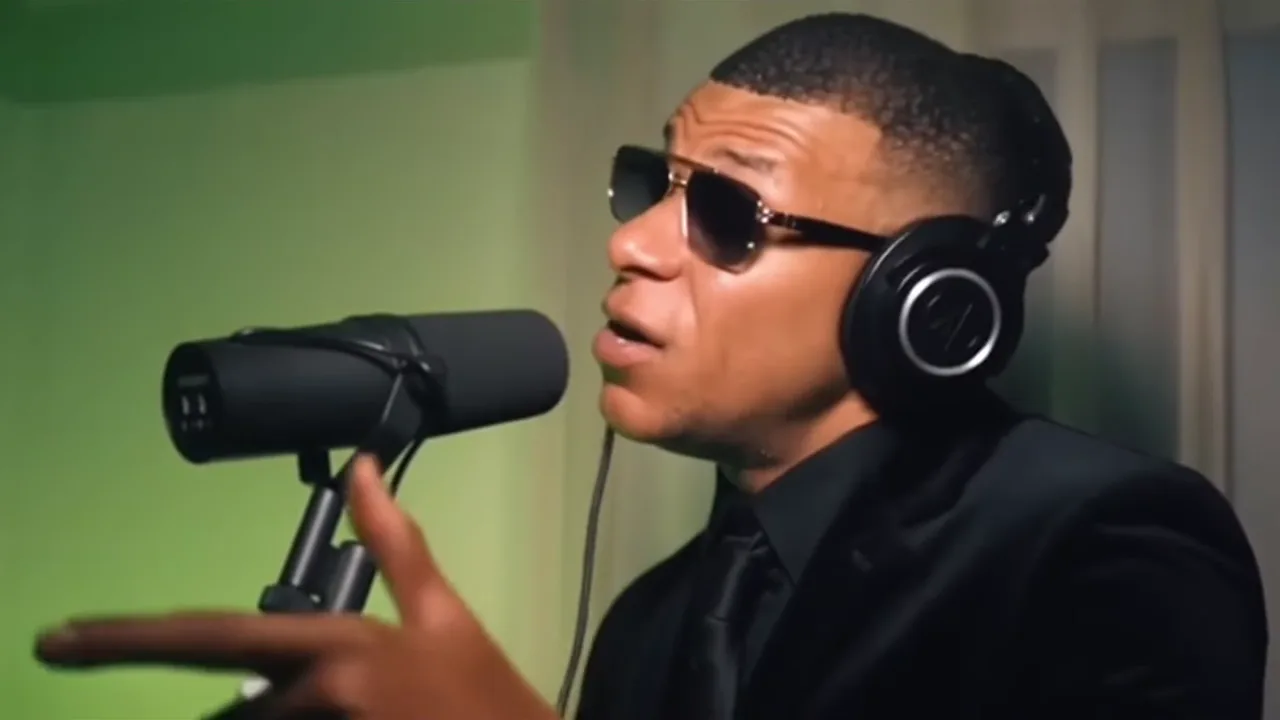
Set an AI trend retry budget by defining an acceptable result before you generate, checking the current price in the tool, and deciding how much additional spend the project can justify. Reserve retries for a specific problem you can investigate. A vague hope that the next version will be “more viral” is not a useful retry criterion.
A Bulin 47 solo clip, a Raindance duet and a four-person Car Rap scene require different reviews. More visible identities give you more things to check; they do not by themselves establish a particular price or failure rate.
Write your acceptance checklist first
Choose three requirements that make the result usable. For a solo performance: recognizable face, readable key gesture and acceptable audio-picture relationship. For a duet: both people recognizable, no distracting identity change at a cut, and the intended relationship clear.
Distinguish essential defects from preferences. A face becoming another person is different from preferring a slightly different expression. A caption being hard to read is an editing problem, not automatically a generation problem.
For a worked example, imagine a birthday duet. Your essentials are that both friends can identify themselves, the important shared moment is intact, and the greeting caption fits without hiding either face. Everything else should be judged against that purpose.
Use the displayed cost, not an old article
Check the current selected price before each run. Supported quality and length choices can differ between templates, so do not assume the setting used in another trend carries the same cost here.
Write down a ceiling in the units you actually see in the tool. Keep enough room for one purposeful correction only if that fits your budget. If the first run would consume the entire available allowance, decide whether you are comfortable proceeding without a retry.
Do not build the budget around an assumed refund for a completed result you dislike. Check the applicable current terms or support guidance for billing questions; an aesthetic preference and a technical failure are not interchangeable descriptions.
Diagnose before spending again
| Problem in the result | First useful action |
|---|---|
| Wrong person in a role | Recheck photo assignment |
| Face hard to recognize | Inspect reference clarity and the full generated motion |
| Text hides the face | Change the caption layout in your editor |
| Audio becomes late only after editing | Compare the export with the original download |
| Story needs a different action | Reconsider the template rather than repeat the same request |
The last row matters. A fixed template will not suddenly include a new location or camera angle because you regenerate it. Repeating the run cannot substitute for selecting a scene that fits the idea.
Change one meaningful variable
If the reference is the likely problem, choose a clearer photo and keep a note of what changed. If the role assignment was wrong, correct that assignment. Avoid changing every photo, setting and caption at once, because you will learn little from the comparison.
After the retry, review against the same acceptance checklist. If the result is still unsuitable and you have reached the ceiling, stop and choose another approach: a simpler scene, an existing usable clip, or a different editorial idea.
For specific planning, use the Bulin persona project, Raindance duet ideas, and Car Rap group project. The video trend creative playbook can help you reduce unnecessary variations before generating anything.
Frequently asked questions
How many retries should I budget for an AI trend?
There is no universal number. Set a spending ceiling from the current displayed price and your project’s value, then reserve retries for specific correctable problems.
Should I retry to get a different camera move or storyline?
Not in a fixed-template workflow. If the story needs an action or viewpoint the template does not contain, choose a different scene or production approach.