Compare models side by side
Run one prompt through up to six image models at once.

Everything Oakgen can make
Image, video, voice and music features, with the models behind each one.
AI agents
- ChatGPT
- Claude
 ChatGPT
 Claude
Workflows
- Home
- YouTube summaries
- AI micro drama
- Guide 16 of 17
How to make an AI micro dramaGuide 16 of 17
How 90-second dramas work, with a look at a ReelShort set
Discover how bite-sized, vertical soap operas pioneered in China are shaking up American entertainment habits and generating millions on mobile screens.
In 30 seconds
- Micro-dramas are vertically filmed, bite-sized episodic shows running roughly 60 to 90 seconds per episode.
- The format originated on Chinese platforms like Douyin, expanding into a multi-billion-dollar industry before exporting to the United States.
- ReelShort found breakthrough success in the US market by utilizing melodrama, cliffhangers, and classic romantic tropes.
- Episodes are fast and inexpensive to film compared to traditional Hollywood streaming series.
- Producers leverage granular audience analytics and rapid release schedules to fine-tune plots and optimize monetization.
0:00Microdramas, explained
The Rise of Vertical Micro-Dramas
0:00 to 0:45 in the video, under a minute
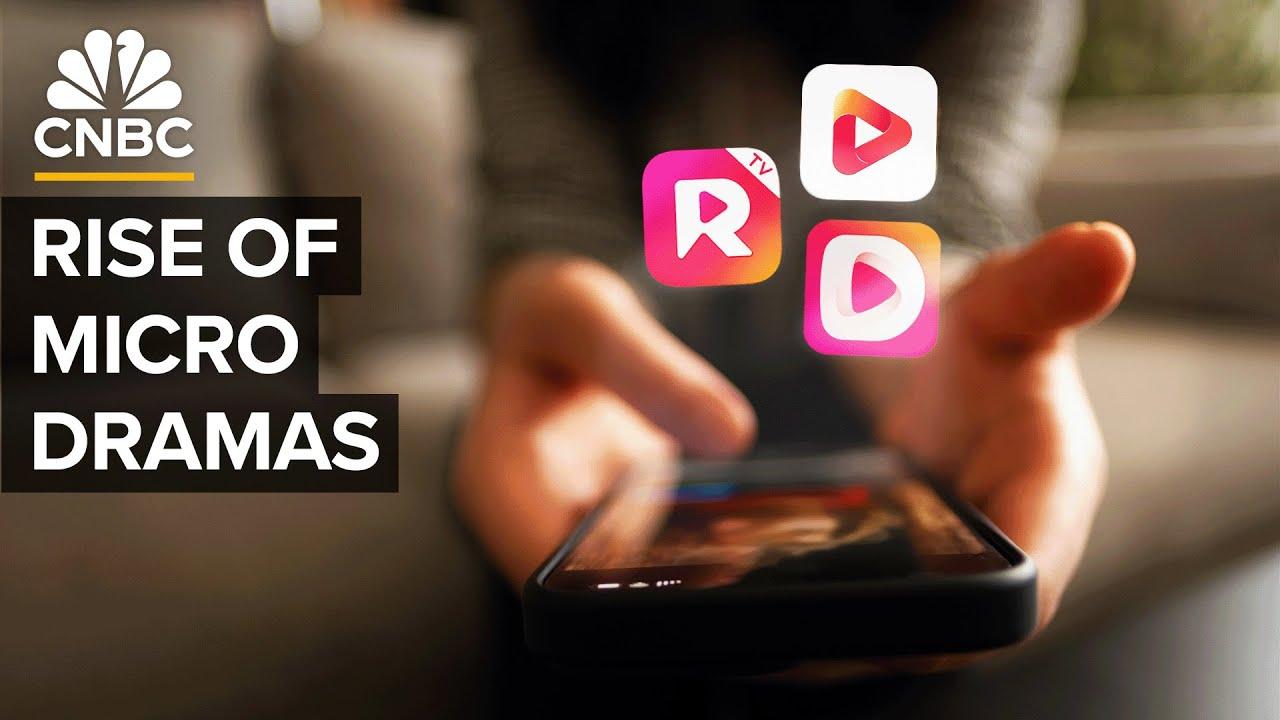
A growing entertainment trend is reshaping mobile video consumption: the micro-drama. These productions function like vertical mini-movies designed specifically for smartphones, typically delivered in rapid bursts of 60 to 90 seconds. Instead of slow-paced narratives, each installment delivers intense melodrama, clear villains, and suspenseful cliffhangers tailored to keep users scrolling.
While traditional television series demand hours of focused living-room viewing, micro-dramas target short windows of downtime, such as riding an elevator, standing in line, or taking a quick lunch break.
- Shot entirely in vertical aspect ratio for handheld viewing.
- Episodes last around 90 seconds with continuous plot twists.
- Heavy emphasis on melodrama, villains, and immediate cliffhangers.
From Chinese Platforms to the US Mainstream
0:46 to 2:26 in the video, about 2 minutes
The short-form drama format emerged from the popularity of Chinese video platforms such as Douyin, the domestic counterpart of TikTok. In China, the micro-drama sector expanded rapidly, reaching an estimated 5.3 billion dollars in 2023 with projections exceeding 12 billion dollars by 2027.
Tech entrepreneur Joey Jia aimed to replicate this formula in the West through ReelShort. Despite sluggish user retention during the platform's initial year, the app achieved viral momentum after introducing titles like 'Fated to My Forbidden Alpha' and 'The Double Life of My Billionaire Husband.' These productions relied on universally familiar romantic tropes, including secret identities and distressed protagonists, briefly propelling ReelShort past TikTok on the US Apple App Store.
The Business Model and Micro-Monetization
2:27 to 5:08 in the video, about 3 minutes
Micro-drama platforms monetize through a hybrid pricing strategy. Viewers can purchase weekly, monthly, or yearly VIP passes, or buy in-app coins to unlock episodes individually.
Apps typically hook the audience by offering the opening episodes for free before walling off pivotal scenes behind a paywall. Viewers must spend small coin amounts—often around twenty cents—to resolve each dramatic hook. Driven by this pay-as-you-go model, ReelShort parent company Crazy Maple Studio experienced rapid revenue growth.
- Free initial episodes hook users right before critical moments.
- Flexible monetization includes micropayments per episode alongside recurring subscriptions.
- Lower cost per unlock encourages impulse purchases.
High-Speed Production on Lean Budgets
5:09 to 6:53 in the video, about 2 minutes
Micro-dramas maintain significant cost and speed advantages over traditional Hollywood productions. A standard season of 60 to 90 episodes is completed in approximately 7 to 10 days on budgets reaching up to roughly 300,000 dollars. By comparison, major studio streaming projects can require hundreds of filming days and tens of millions of dollars.
For cast and crew, this creates an intense production environment. Filming involves dozens of pages of script daily, rapid outfit changes, and exaggerated emotional performances. Actors routinely portray unhinged antagonists and melodramatic leads under tight turnarounds.
- Entire series wrapped in roughly one to two weeks.
- Production budgets typically cap around $300,000 per show.
- Actors cycle through multiple scenes with rapid costume and makeup changes.
Data-Driven Storytelling and Demographics
6:54 to 7:40 in the video, under a minute
Micro-drama producers rely heavily on viewer analytics to adapt storylines. Production teams track drop-off rates and consumer spending patterns, maintaining an agile feedback loop that informs subsequent releases within months.
Initially appealing primarily to younger female viewers aged 18 to 35, platforms have diversified catalog offerings. By incorporating action-oriented storylines and military themes, ReelShort expanded its audience composition to include older audiences and a larger proportion of male viewers.
Final Thoughts
As competitors like DramaBox, GoodShort, and ByteDance's PineDrama enter the vertical drama market, the volume of short-form series is poised to surge. Industry leaders envision a future where mobile-native micro-dramas sit alongside traditional streaming giants rather than disappearing as a short-lived novelty.
By merging dramatic soap opera formulas with vertical video and algorithmic precision, micro-dramas demonstrate how mobile screen habits continue to rewrite modern storytelling conventions.
Do this yourself
Learn what makes the format work
The Wall Street Journal takes you behind the scenes of ReelShort's Vicious to explain how microdramas work, their economics and their challenge to established streamers.
Questions
What is a micro-drama?
A micro-drama is a vertical-format episodic video series produced for smartphones, consisting of condensed episodes that typically last 60 to 90 seconds each.
How much does a typical micro-drama cost to produce?
A standard micro-drama series containing 60 to 90 episodes generally costs up to $300,000 and finishes filming in roughly 7 to 10 days.
How do apps like ReelShort charge viewers?
Platforms allow viewers to subscribe on a weekly, monthly, or annual VIP basis, or unlock episodes one at a time using virtual coins that cost around twenty cents per episode.
This is a summary of a public video by The Wall Street Journal. The method and the demo are theirs: watch the original. Oakgen wrote the summary.