ChatGPT
 Claude
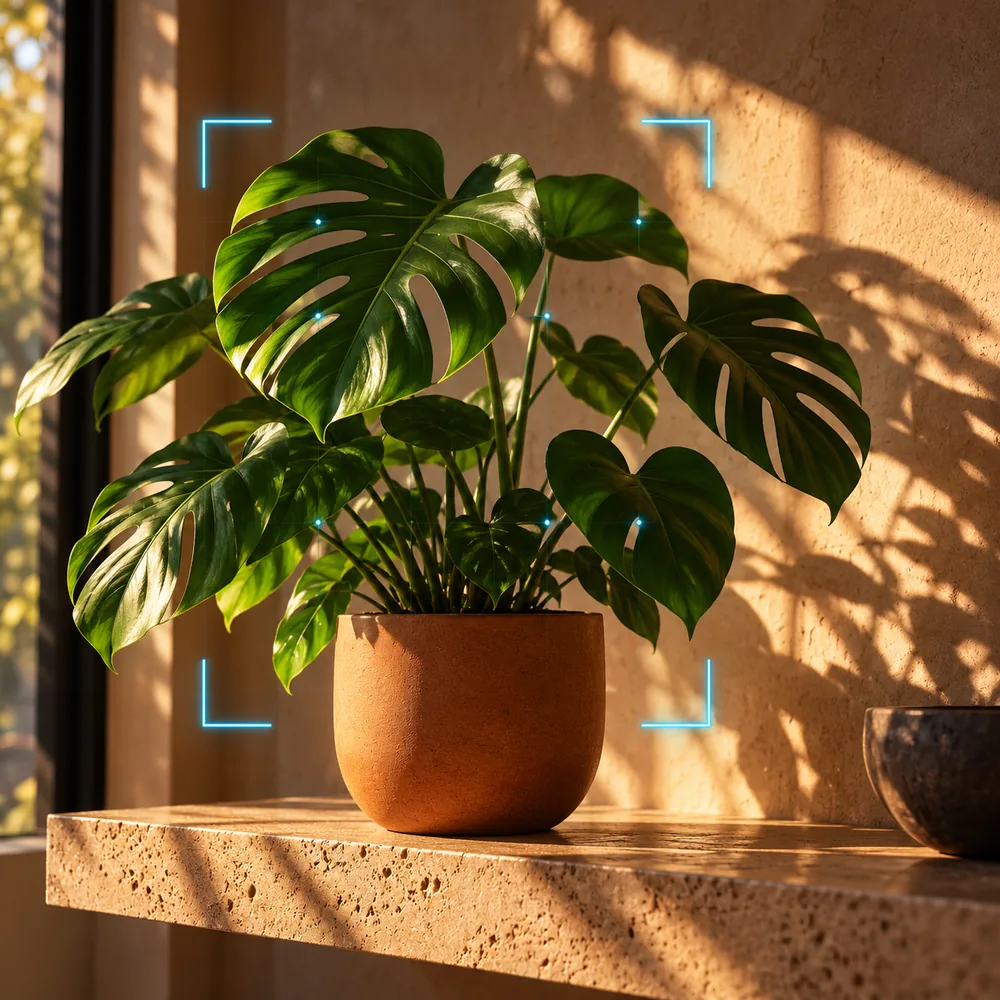
For a community houseplant swap, label every pot before it reaches the exchange table. Give it a short number, use the owner’s confirmed name if available and mark uncertain identifications as provisional. Keep the original photo with the number so a volunteer can correct the label after the event.
What should volunteers photograph?
Take a whole-plant view against a quiet background. Follow with a leaf and the place where it joins the stem. A tray of six similar cuttings makes a poor identification reference. Photograph one tagged pot at a time. For a tiny cutting, ask the donor if they have a photo of the parent plant.
Open Oakgen’s Plant Identifier with a clear original photo. Inspect the quoted credit cost before submitting. Use the suggested name to look for matching features and ask the donor if they recognize the identification. If you use photo effects to design a flyer for the swap, set the original photos aside first. Keep colour filters and stylized edits out of the identification step. The shape of the leaf and the arrangement along the stem are details you want to preserve.
What does a useful swap tag say?
Here is a sample for an unconfirmed donation:
H17 · Trailing houseplant cutting Owner's label was missing. Name pending. Parent plant photo available from the welcome desk.
If the owner has the original nursery label, photograph it beside the tag number. A matching photo and a nursery tag give the volunteer a stronger starting point than a nickname remembered on the way to the event. A plant with a familiar common name may still need its exact variety left open.
| Keep on the pot | Keep in the organiser's record |
|---|---|
| Tag number and plain description | Original photos linked to that number |
| Confirmed or provisional name | Basis for the name and any competing suggestions |
| Donor's first-hand care observation, if useful | Date recorded and method for submitting a correction |
What if you cannot confirm the name before the swap?
Keep the descriptive tag. “Trailing cutting with heart-shaped leaves” is more honest than a confident variety name copied from an uncertain report. Exclude safety or edibility assurances based on a visual suggestion. Keep the identification provisional until someone can check the actual plant and its history.
At closing time, retain a list of corrected labels. If the gathering repeats monthly, use it to improve intake. For example, when several cuttings lack a parent view, add “bring a parent plant photo” to the next event announcement. One extra photograph can answer a question after the original plant has gone home with its new owner.
How we checked this
We checked the Plant Identifier’s image identification workflow on November 19, 2026. H17 is a sample tag for an uncertain match.
Get a candidate name for a swap tag
Use a clear original photo that shows one plant with its leaf and stem.
Frequently asked questions
What goes on a label for an unknown plant?
Use a tag number, a plain description, the owner’s confirmed information and a clear note when the name is provisional.
What if two volunteers suggest different names?
Keep the tag number and list the candidates in your working notes. Request a photo of the parent plant or a reliable provenance record before changing the public name.
Can I label a cutting pet-safe from a photo?
Leave that assurance off the tag. A photo suggestion cannot establish a species with certainty or give a safety guarantee.