ChatGPT
 Claude
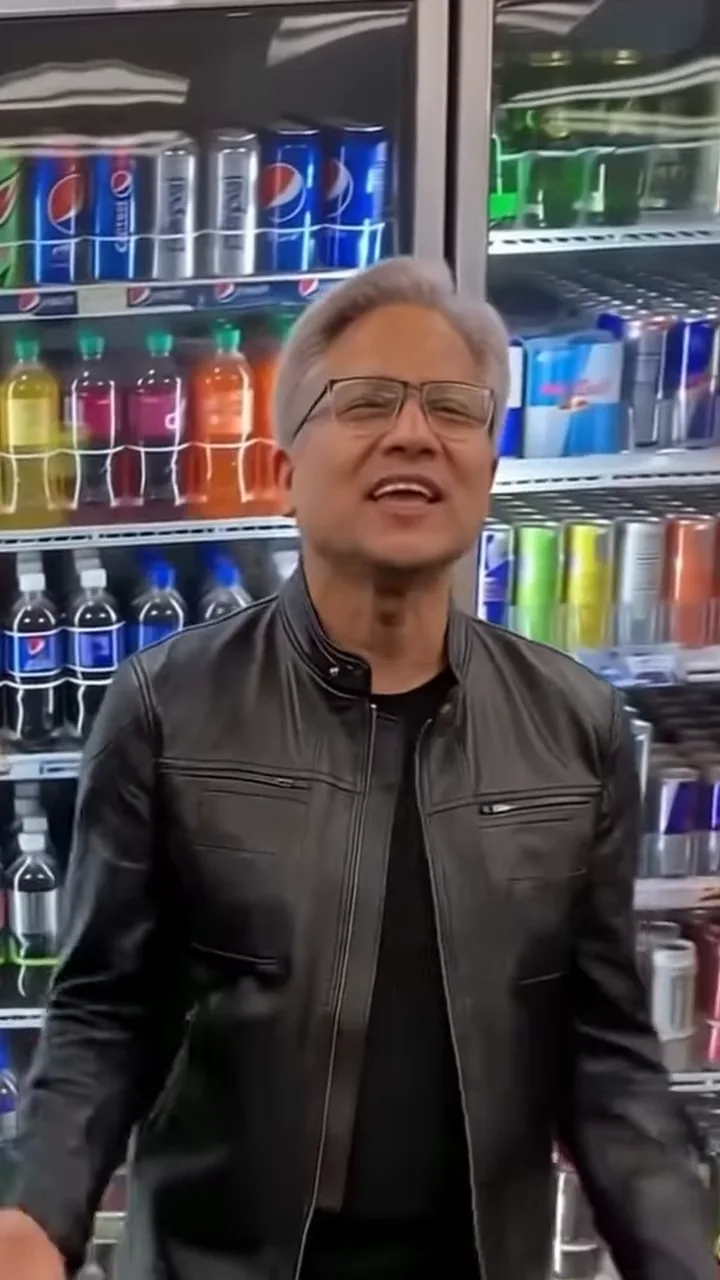
The Jensen Huang AI Worth It video is a 30-second parody clip in which a singer who looks like the NVIDIA founder, with grey hair, glasses and a black leather jacket, sings and dances next to a ukulele player in a convenience store, to a ukulele version of Worth It by YK Osiris. It is AI-made: not real footage of Jensen Huang, not made or endorsed by him, and not connected to NVIDIA or to YK Osiris. Oakgen's Jensen Huang Worth It template recreates the same clip with the two people from your photos, never his likeness.
Recast the Worth It duo with your photos
You on vocals, a friend on ukulele, the same 30 seconds and the original sound.
What the clip is
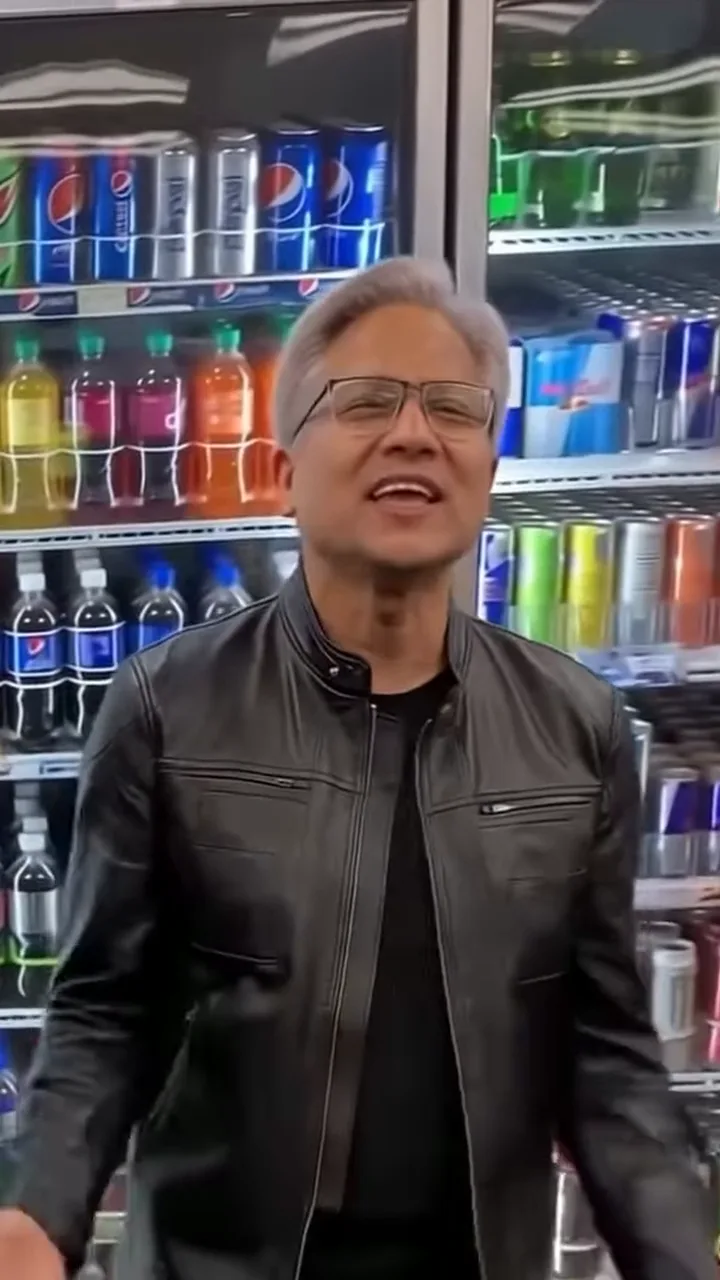
The singer from the AI parody reference clip, cropped. Not an Oakgen output and not real footage of Jensen Huang.
Two performers stand in a brightly lit convenience store. On the left, a ukulele player strums a small wooden ukulele. On the right, the singer performs to the camera: claps, crossed arms, a bounce, a fist pump. Halfway through, the phone starts backing down the snack aisle and both follow it towards the counter. There are no cuts.
The clip spread in November 2026 as part of a wider run of AI parody clips built around Jensen Huang, the same wave that produced the Car Dance, No Scrubs, Missed Train Dance and Aircraft Carrier Dance templates. Our overview of that wave is in the Jensen Huang AI trend.
Where the Worth It format comes from
The clip is a recast of a format people already call the Worth It AI trend: a ukulele-and-singer duo in a convenience store performing Worth It by YK Osiris, the 2019 song that became his first Billboard Hot 100 entry. In the format, one person strums and the other sings and dances, and template tools let people drop their own photos into both roles. The Jensen Huang version swaps a recognisable public figure into the singer's role, which is what made it travel.
Two things are worth keeping apart here:
- The song is a real commercial recording by YK Osiris. The clip's soundtrack is a ukulele version of it with a male vocal.
- The video is an AI-made parody. It is not real footage of Jensen Huang, and he did not perform, sing or appear in it.
Why it reads as real
Most AI parody clips give themselves away with a polished, music-video look. This one does the opposite:
| Feature | Why it looks real |
|---|---|
| One handheld vertical take | Feels like a friend filmed it on a phone |
| Ordinary store lighting | No studio look, no colour grade |
| Fridges, snack shelves, a counter | Everyday, slightly cluttered background |
| Shoppers near the end | Real places have people walking past |
| Camera backing down the aisle | Movement hides small rendering errors |
Where it slips: drink labels and store signs blur into near words, the hands on the ukulele can smear when the camera moves, and faces in the full-length opening are small enough to drift between frames. None of these proves anything on its own, which is why labelling matters more than spotting.
What happens in the 30 seconds
- 0 to 5 seconds. Both stand at the drink fridges, full length. The singer claps, rolls both hands and sings to the camera.
- 5 to 10 seconds. Arms crossed, bobbing to the beat, singing straight to the lens.
- 10 to 13 seconds. The singer leans in and bounces with hands at the waist.
- 13 to 20 seconds. A small step forward, then the camera backs into the snack aisle and both walk towards it, the singer pumping a fist.
- 20 to 24 seconds. A closer two-shot, the singer waving both hands.
- 24 to 30 seconds. Down the aisle towards the counter, an arm swing and a turn at the end.
The ukulele player strums through all of it. A fuller timed breakdown is on the move-by-move page.
How Oakgen's template recasts it
The template edits the parody clip in a single pass. It keeps the store, the camera, the timing and every move, and replaces both performers completely, from head to toe, with the two people in your photos: face, skin, age, build, hands, hair and outfit. Neither reference face or body may stay or be blended in, which is why both roles need a photo.
The song is never sent to the video model; it receives the clip without its audio track. The mouths follow the singing in the clip, and the original soundtrack is put back on the finished file. The result is a 30-second vertical 9:16 video in 720p or 1080p. The step-by-step version is in How to make the Jensen Huang AI Worth It video.
Posting your version responsibly
- Label it. Use the platform's AI-generated label or write AI-made in the caption.
- Consent. Use your own photo and photos of friends who agreed. Do not upload photos of Jensen Huang, other executives, musicians or celebrities.
- No false context. Do not caption it as something that really happened.
- Music. Oakgen does not license Worth It for your posts. If a platform flags the audio, swap in a sound from its library.
Make your own Worth It parody
Two photos, one convenience store, 30 seconds with the original sound. Not real footage of Jensen Huang and not affiliated with NVIDIA.
Frequently asked questions
Is the Jensen Huang ukulele video real?
No. It is an AI-made parody clip, not real footage of Jensen Huang. He did not make, endorse or appear in it, and it is not connected to NVIDIA.
What song is in the Jensen Huang Worth It video?
Worth It by YK Osiris, released in 2019. The clip's soundtrack is a ukulele version of the song with a male vocal. Oakgen's template keeps that soundtrack on your finished video.
What is the Worth It AI trend?
A convenience-store duo format: one person strums a small ukulele while the other sings Worth It and dances, filmed on a phone. People recast it with their own photos, and the Jensen Huang version is one of those recasts.
Why does it look like real phone footage?
It copies a casual phone video: one handheld vertical shot, bright store lighting, fridges and snack shelves, shoppers in the background and a walk towards the camera with no music-video cuts to give it away.
Can I make my own version?
Yes. Oakgen's Jensen Huang Worth It template takes two photos, one for the Singer and one for the Ukulele player, and makes the same 30-second clip with those two people.
Does Oakgen's version use Jensen Huang's face?
No. Both roles need a photo and the template replaces both reference performers completely, so neither face is kept. Your video shows the people in your photos.