Turn the Cheba Man AI dance challenge into a reaction by naming the event that deserves the performance. “When the group finally agrees on dinner” gives the dance a purpose. “Look at this dance” leaves the audience to invent that purpose for you.
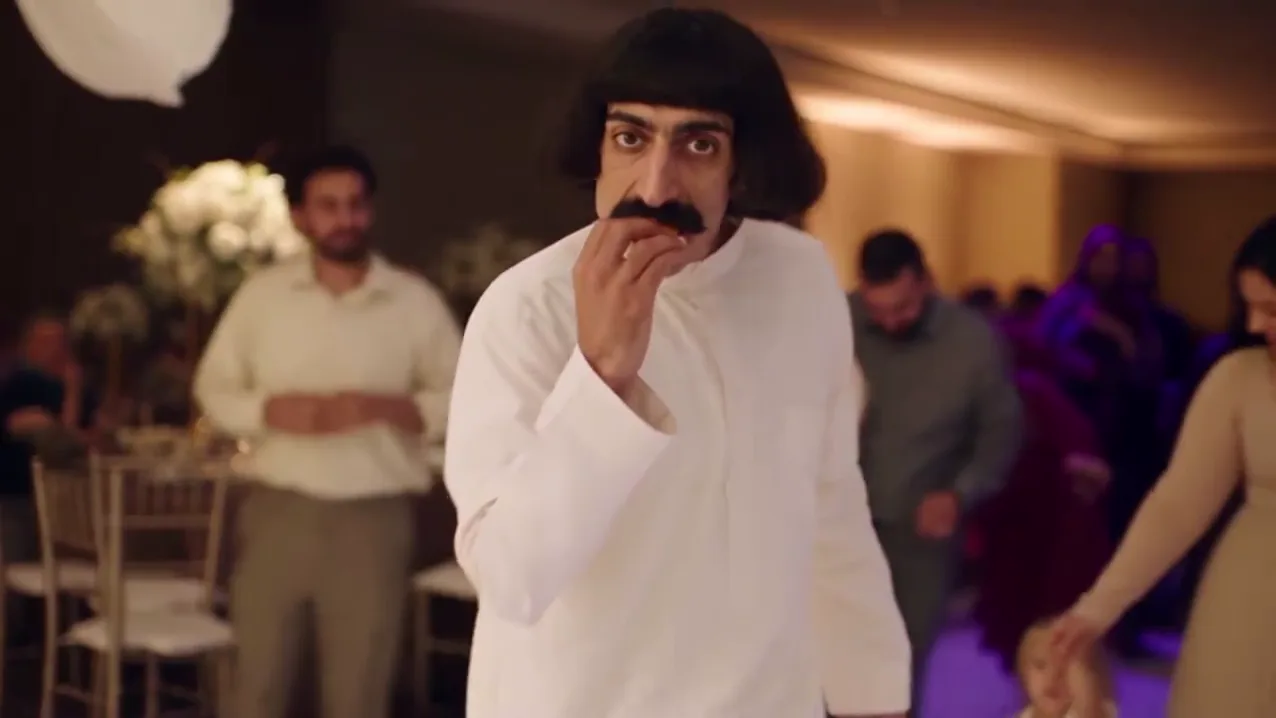
The Cheba Man Challenge template places your photo-guided lead into a fixed party performance. The reference establishes the dance, setting, timing and audio. Your creative decisions are the person, their supplied appearance, and the way you frame the finished clip for viewers.
Give the reaction a precise trigger
Choose an event small enough that the response is amusingly excessive. Finding a free evening, finishing a difficult spreadsheet or hearing that dessert is included all create a usable contrast. A vague “Friday feeling” may work for people who already know you, but it does not explain much to a new viewer.
For a group account, make the event shared rather than personal. “The restaurant accepts a booking for twelve” is more inclusive than a joke that depends on one person's private mistake. Ask anyone whose photo you use whether they are comfortable with the premise as well as the image.
A dinner-planning example
Use one existing full-body photo with a clear face and visible clothing. The template requests the uploaded person's look, so pick an image that makes sense for the character rather than assuming a text caption can change the outfit.
Write a single on-screen setup: “After 86 messages, we picked a restaurant.” Let the dance answer it. In the post description, use “Now we just have to choose a time. AI edit.” That last sentence extends the joke without requiring the video to show a different scene.
You could also reverse the emphasis: “The one friend who actually booked the table.” Here the dancer is the organizer rather than the whole group's mood. Choose one version before generating so the casting feels intentional.
Preserve the dance in the layout
After downloading, add the text in a separate editor. Place it where it does not cover the dancer's arms or feet during the main movements. Do not rely on a still frame to judge this: play the whole sequence with the overlay in place.
If the opening already communicates the performance, avoid a long title card. Put the setup directly over a clear part of the frame or on a surrounding canvas. Let the caption remain long enough to read without pausing, then remove it if it starts competing with the dance.
Make the second version an editorial change
Before paying for another result, check whether the first version's weakness is actually the wording. Try the organizer caption on the same exported video. Ask a friend which version explains the dancer's role more clearly.
Review the output separately for face stability, arms crossing the body, and clothing during quick turns. A repeated anatomy error is not a caption problem. Equally, a technically clean dance will not rescue a setup that nobody understands. Keeping those two decisions separate makes the revision much more purposeful.
Questions before you publish
Can I choreograph a different Cheba Man routine?
The template uses a fixed reference routine. Change the story through casting and through the presentation of the downloaded clip.
Can I test two reactions with one output?
Yes. Make two caption or title treatments in a separate editor while keeping the same generated performance.
Continue with Why Your AI Trend Outfit Changes and How to Plan Around It, Match Cuts Between AI Trend Clips, Loop an AI Dance Trend Without an Awkward Last Frame, AI Video Trend Playbook.