AI duo trend captions are easiest to understand when each performer has a clear role in one shared situation. Write the relationship first, then give each person a short label. “The planner and the optimist” supplies more of a story than two unrelated jokes competing over the same clip.
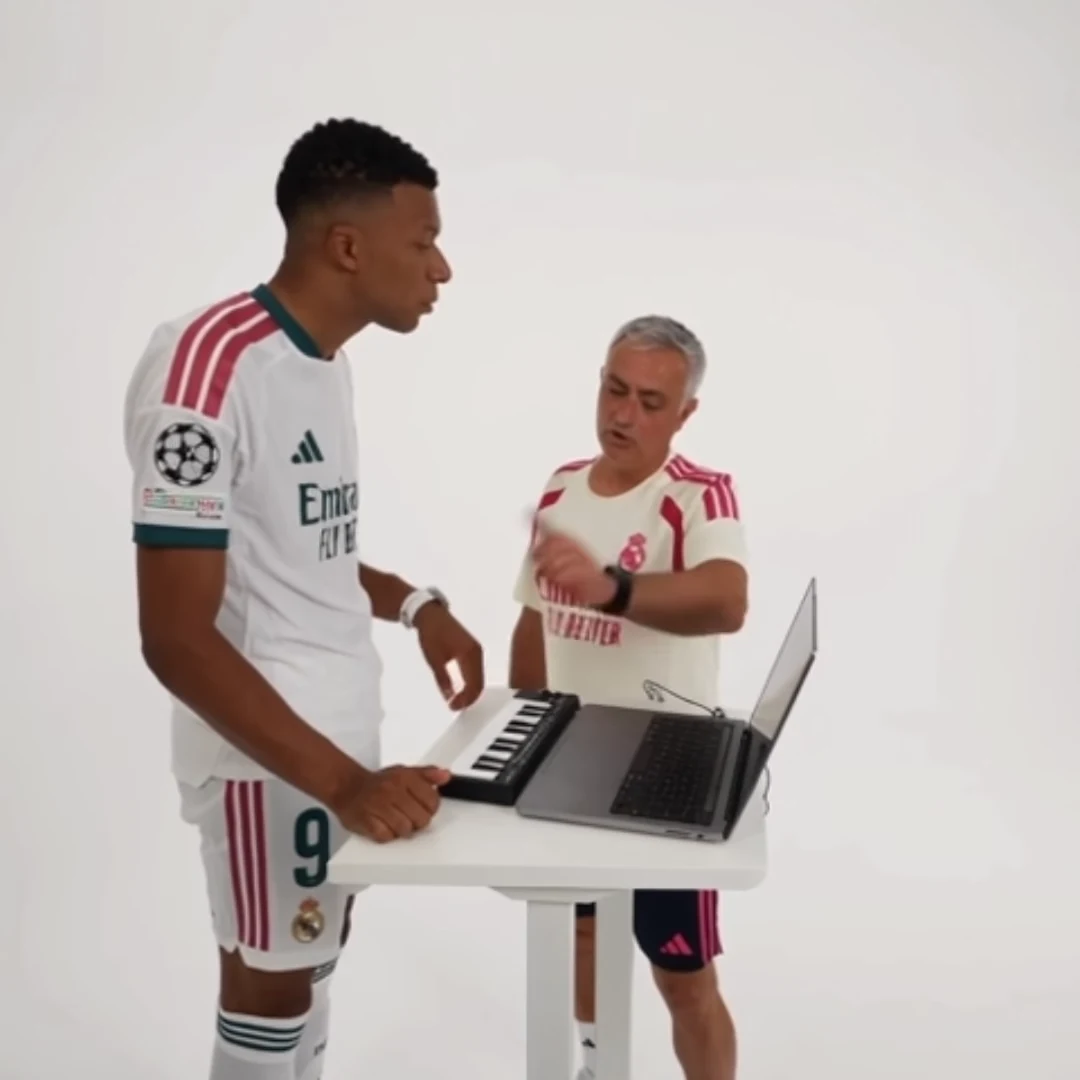
The Alors on danse keyboard duet, Hotel Lobby and Smalltown Boy Dance offer different fixed performances. Choose captions that fit the action already present. Add them in a separate editor after download; they do not become new dialogue or choreography inside the trend.
Build a three-part caption sentence
Use this structure: shared situation, first person's contribution, second person's contribution. For friends booking a trip, that becomes “Planning a holiday / Built the itinerary / Already packed.” The situation gives context, while the labels make the contrast easy to read.
Do not begin with two role labels if the audience cannot tell what they refer to. “The responsible one” and “The fun one” could describe almost anything. “Booking a holiday” turns those labels into a particular observation and leaves room for a small closing joke.
A useful caption test is to read the text without watching the clip. If the relationship is confusing on its own, movement will not make it clearer.
Borrow a premise, not an insult
These original examples can be adapted to people who are comfortable with the joke:
- Cooking together: “Read the recipe” and “Measured with confidence.” Closing line: “Dinner was technically made.”
- Preparing a presentation: “Checked every slide” and “Practiced the entrance.” Closing line: “Different departments.”
- Family photo day: “Set the timer” and “Blinking on schedule.” Closing line: “One more, obviously.”
- Choosing a film: “Made the shortlist” and “Rejected the shortlist.” Closing line: “Watched the trailer again.”
- Group project: “Keeps the notes” and “Keeps the morale.” Closing line: “Both doing essential work.”
The final example gives both characters a positive contribution. That can be a better choice for a workplace or a friend who dislikes being the punchline. Get permission for the photo and the portrayal, not just access to the image.
Time labels to actual positions
Introduce both roles during a moment when the people are clearly visible. In the keyboard duet, the instrument can help anchor the role assignment. In Smalltown Boy Dance, review the swap before leaving permanent left and right labels on screen. A label can become misleading when the people change places.
For busy movement, a single shared caption is often clearer than tracked labels. “How we prepare for anything” can remain readable while the clip conveys the difference. If the joke requires knowing which person is which, shorten the labels and show them again when the frame settles.
Preview on a phone. Text that looks modest on a large editing monitor may cover a face at the size people actually watch.
Test comprehension before testing performance
Ask someone what each character contributes after one viewing. If they swap the roles, fix placement or timing. If they understand the roles but miss the premise, rewrite the shared setup. If they understand both, resist adding more explanatory lines.
For a second version, change only the opening caption and reuse the same clean clip. Compare the responses within the limits of your own audience; posting conditions differ, so a better result is a useful signal rather than proof that a phrase guarantees reach.
Frequently asked questions
Should duet captions stay on screen throughout the clip?
Not necessarily. Introduce the roles when both people are visible, then remove or simplify labels during busy movement.
Can captions change what the performers say?
No. These captions are editorial overlays. The trend keeps its reference performance and audio.
Continue your project
AI Duet Trends: Assign Two Photos Without Mixing Up the Roles · Crop an AI Duet for Vertical Video Without Losing Either Person · Alors on danse AI Trend: Duo Story Ideas Beyond the Keyboard Meme · Video trend creative playbook