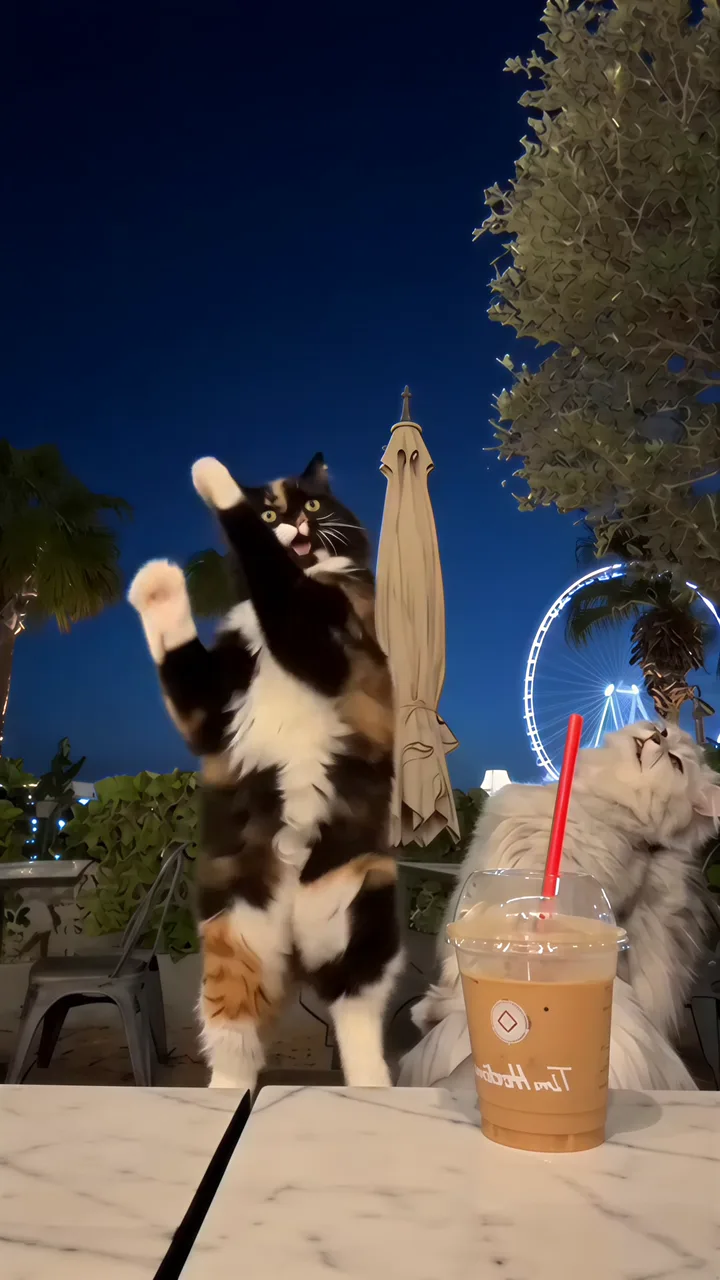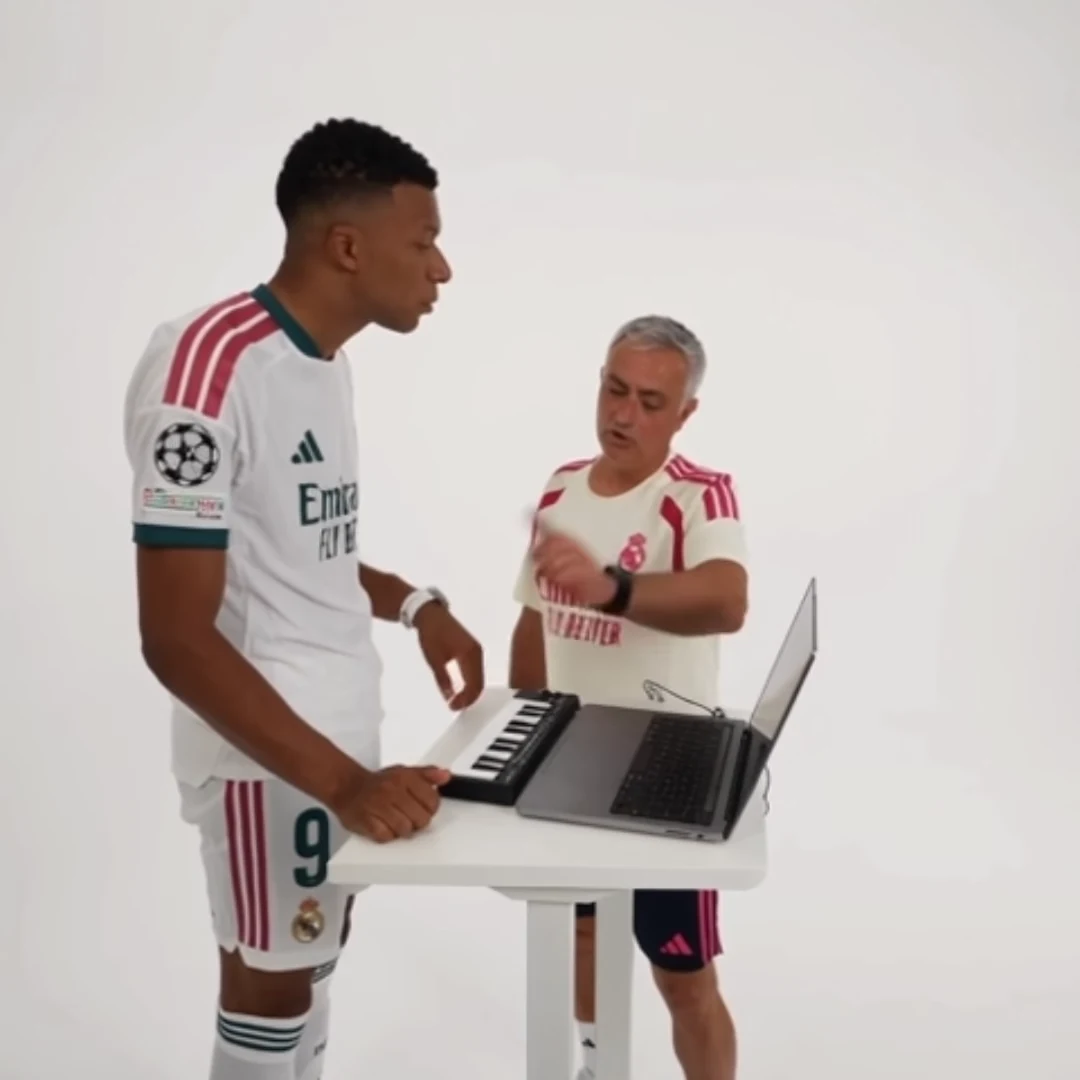
You can test a better AI trend post without generating another video. Keep the completed clip fixed and change one editorial choice: the opening sentence, the title frame, or the description. That helps you learn whether the presentation is weak before spending more time on a new performance.
A Bulin 47 freestyle clip can support several persona jokes using the same output. The reference performance does not change when you rewrite the caption. This makes the downloaded video a useful constant in a small editorial comparison.
Start with one hypothesis
Write a question you can answer. “Does naming the situation make the joke easier to understand?” is specific. “Which version will go viral?” is too broad for a two-post experiment and encourages conclusions the comparison cannot support.
For example, Version A opens with “When confidence kicks in.” Version B opens with “Me explaining the route after opening the map once.” The second names a familiar situation. Both use the same video, framing and ending, so the main difference is the setup.
Do not change the thumbnail, music, caption length and clip duration at the same time. If the response changes, you will not know which edit mattered.
Run a comprehension check first
Before publishing, show the versions separately to a few people who resemble the intended audience. Ask, “What situation is this about?” and “Where did you first understand the joke?” Avoid explaining the intended answer before they watch.
Record the actual replies rather than translating every positive comment into a success. “Looks good” says less about comprehension than “You are making fun of being overconfident about directions.” If both versions confuse people, revise the premise instead of selecting the less confusing one by default.
This is a practical editorial check, not a statistically representative audience study. A few friends can reveal an unclear sentence without predicting broad reach.
Compare published versions cautiously
If you choose to publish both, keep a note of where and when each appeared. Different audiences, posting times and account conditions can affect the response. An organic comparison is not a controlled experiment merely because the video is identical.
Use the measurements actually available to you. Record views alongside any watch-time, completion, share or comment data the platform supplies. Compare like with like and use the same observation window. Do not invent a universal engagement threshold that proves one caption is good.
For a small account, the comments may tell you more about whether the premise landed than a tiny numerical difference. A useful result can be “people understood Version B,” even when neither post reached many viewers.
Keep a decision log
A short record is enough: clip, changed element, hypothesis, audience response, and next decision. For the map joke, you might conclude, “Keep the specific situation; shorten the first sentence so it is readable before the next movement.”
That leads to an inexpensive edit. If viewers understand the caption but cannot recognize the character, the problem has moved from presentation to output quality. Only then consider whether a different source photo or a new generation addresses the actual failure.
Questions before you publish
Do I need two new videos to test captions?
No. Use the same completed video and change one caption treatment in a separate editor.
Does a higher view count prove the caption caused the improvement?
No. Organic posts can reach different audiences under different conditions. Record the context and treat small comparisons as directional evidence.
Continue with Bulin 47 AI Freestyle, Coffee Cat AI Trend, Choose a Thumbnail Frame That Matches Your AI Trend Video, AI Video Trend Playbook.