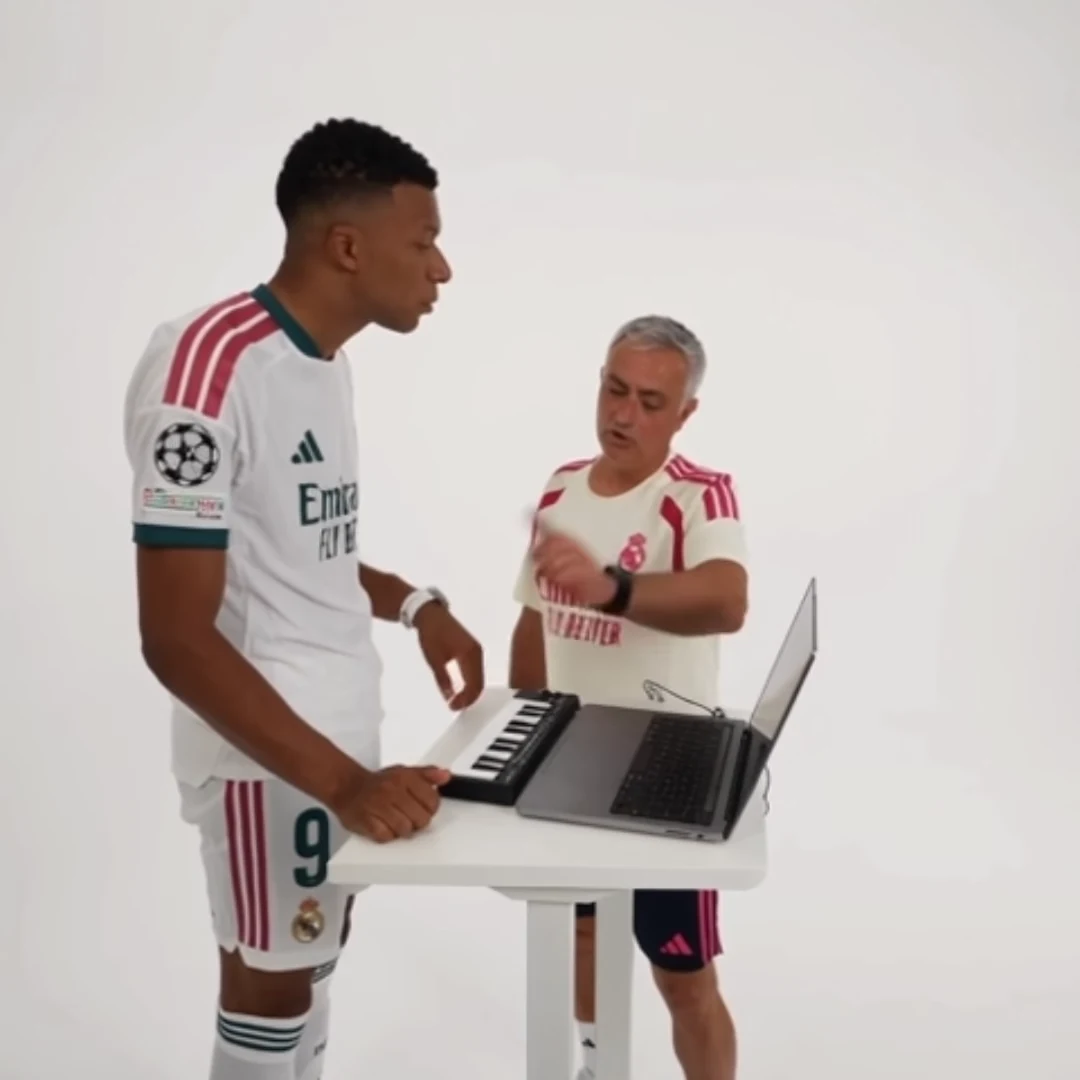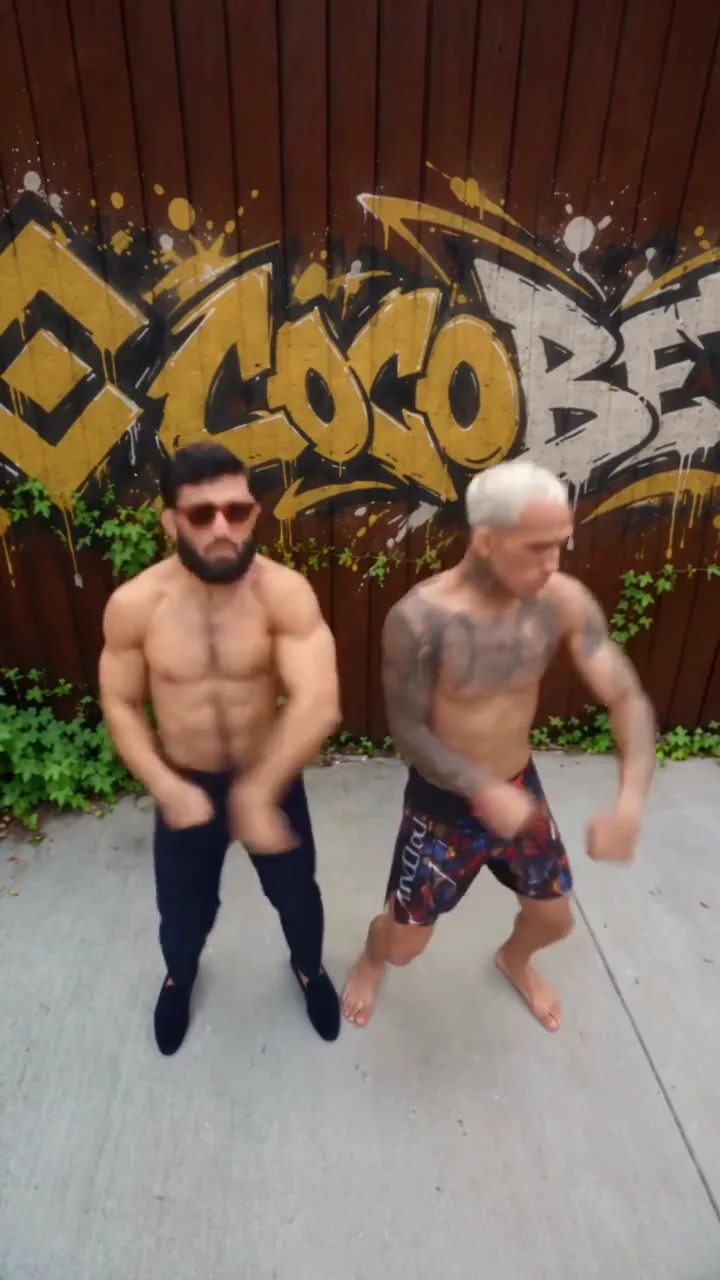
The Smalltown Boy AI dance is a useful setup for two people who react differently to the same event. Cast the dramatic friend and the person trying to remain composed, then let the close approach, swap and shared routine reveal that both are equally involved. A single relatable premise is enough.
The Smalltown Boy Dance template, also searched as “Small Town Boy,” needs two photos. Its existing performance includes the approach toward the lens and the two-person routine. You cannot rewrite that choreography, so choose a joke that fits it.
Pick a disagreement that ends in agreement
Try a pair who claim they are staying home but both want to go dancing. The opening caption is “Us saying we’re having a quiet night.” The energetic performance contradicts the statement before you need to explain anything else.
A second premise is two friends hearing that their favorite café has reopened: one reacts immediately, the other pretends to be sensible, and both join in. This works because the routine gives you a shared outcome. Avoid a joke that requires one person to leave the frame or refuse to dance if that action is not in the source.
Keep the contrast affectionate. You are assigning comic roles, not diagnosing anyone’s personality or pretending the scene records real behavior.
Cast the opening carefully
Watch the source preview to see which role leads each beat. Give the first-dancer role to the person whose exaggerated reaction your audience will recognize. Assign the second dancer before generating rather than trying to swap labels after the fact.
Use one clear photo per role. If both people have similar hair or clothing in their references, make sure each face is easy to distinguish. Clothing differences can help a viewer follow the pair, but the result still needs a facial-identity review.
The preview shows the source routine, not an assurance that every face and gesture will be reproduced correctly in your output.
Let the swap become the punchline
For the quiet-night example, keep “A quiet night” on screen briefly at the start. Remove it as the action becomes busy. At the swap or shared dance, try “We lasted three minutes.”
Those are captions for a separate editor after download. Do not stack a setup, role labels and subtitles on the same close-up. If the audience cannot see the expression, the text is taking away the reason you selected this trend.
Watch the edit without its post description. The contrast should read from the two captions and the performance alone. If it needs a paragraph explaining your friend group, simplify the premise.
Review both the close and the wide moments
The near-camera beat demands a different check from the side-by-side dance. Close to the lens, inspect facial shape, mouth and eyes. In the wider moment, check that both bodies remain distinct and their hands do not merge when they approach each other.
Do not add a zoom merely because the beginning feels intense. It may crop the second dancer later. Keep the original composition until you have checked the full sequence, then make only edits that preserve the shared routine.
For a gentler relationship story, the Raindance duet project offers another direction. For a joke that uses an extravagant setting rather than two reactions, compare the silent mansion project. Use the video trend creative playbook to give each post a different role in your series.
The duet role-assignment guide helps prepare the two references. If the premise still needs explanation, use the two-person caption examples to clarify the relationship without covering the performance.
Frequently asked questions
How many photos does Smalltown Boy Dance need?
The template requires two individual photos, one for each dancer. Check the first-dancer and second-dancer roles before generating.
Can I change the dance to match my joke?
The choreography is fixed by the template. Choose a premise that fits its existing approach, swap and shared routine, then add captions after download.