Your 1v1 Dunk video is back. Before you post it, watch it once at normal speed, then step through the beats below. This article is the review half of the pair; the how-to guide covers choosing the photos in the first place.
Make or remake your one-on-one
Swap a player photo or the optional setting and generate the 15-second 1v1 Dunk clip again, with the quote shown before you start.
The times below come from the credited @scrambledai source clip that 1v1 Dunk follows. Your result keeps the same shot order, so the same moments are where to look. We have not reviewed a large set of generated results, so treat this as a checklist, not a list of known failure rates.
Watch it once without stopping
Ask three questions on the first pass. Does it read as one possession, with a drive, a dunk, a celebration, a second drive, a bigger dunk and a second celebration? Is the right person scoring? Does the place look like one place from start to finish? If any answer is no, you already know which slot to look at.
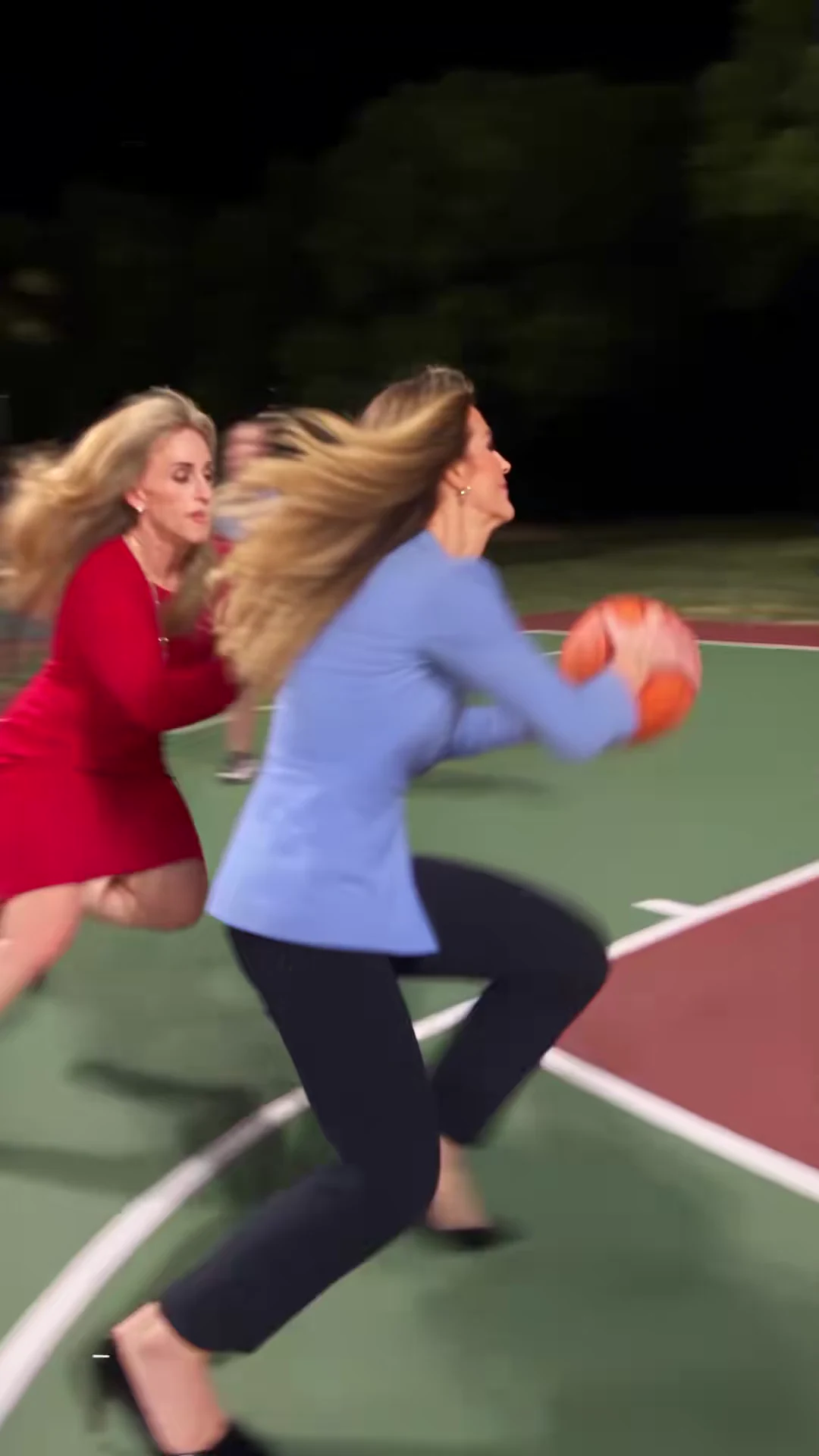
Beat 1, 0 to 1.4 s: the drive
The opening is wide, with the attacker crossing over and driving past the defender. Check:
- One ball, in the attacker's hand or on the bounce, never two.
- The defender is beside or behind the attacker, not merged into them.
- The outfits match the photos you gave and stay the same from frame to frame.
Beat 2, 1.4 to 3.5 s: the first dunk
The attacker reaches the rim at about 1.5 seconds with the defender in the foreground from behind, then the ball drops through the net. This is the first real test.
- The ball goes through the hoop, not through the backboard or the attacker's arm.
- The hands: the attacker's hand that carries the ball up should still be one hand with fingers, attached to the right arm, at the rim.
- The rim and net keep their shape as the ball passes through.
- The defender's back: hair and outfit should match your defender photo. This is where people will recognise them.
Beat 3, 3.5 to 5.8 s: the first celebration
The attacker stands near the baseline, facing the camera, with the ball bouncing beside them and spectators behind. This is the longest look at the attacker's face, so it is the best place to judge the likeness.
- The face matches the attacker photo and holds steady while they stand still.
- The celebration is a raised index finger, the "number one" sign the template asks for. If the hand shows anything else, do not post that version; generate again.
- On the original court, the banners behind the baseline are plain, as the template asks, with no official-looking emblems.
- The ball keeps bouncing as one ball; in the source it passes close to the lens at about 5.5 seconds, so a large ball in the foreground there is expected.
Beat 4, 5.8 to 7.2 s: the second drive
The camera goes wide again and then closer as the attacker drives past the defender a second time. The defender is seen in profile here, about 6.0 to 6.8 seconds: one of the few moments their face is visible. Check that it is your defender and that the two players do not swap outfits.
Beat 5, 7.2 to 10.3 s: the slow-motion flying dunk
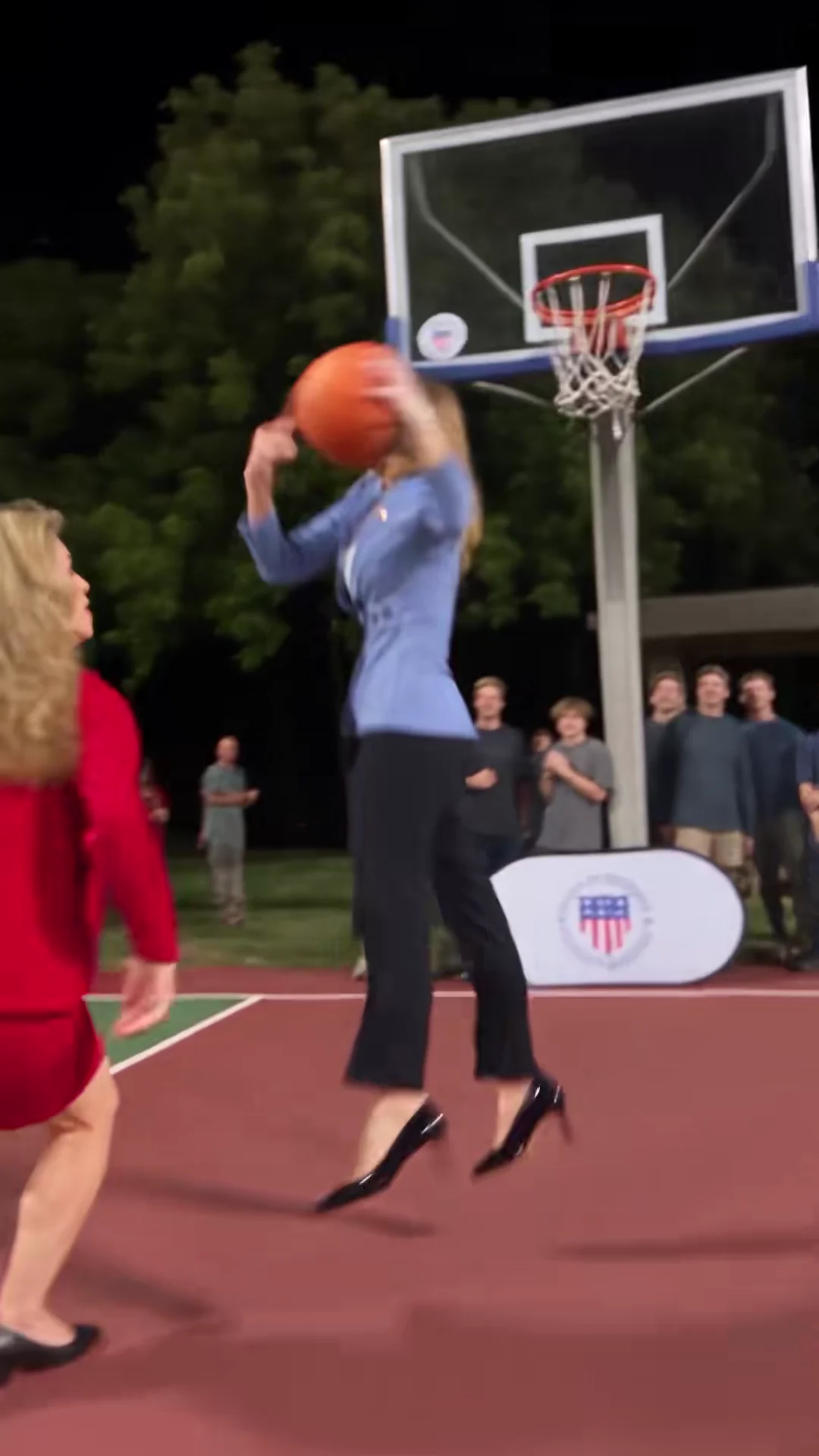
Frame from the credited @scrambledai source clip, not an Oakgen output.
The centrepiece: the attacker hangs at the rim in slow motion, legs split, ball held above the hoop, while the defender watches from the foreground. Three seconds of slow motion show every flaw, so step through it.
- Ball and hands: the ball stays in the hand until it goes down through the rim, then falls once.
- Legs: two legs, split, with shoes; no extra limbs where the legs cross the backboard pole.
- The defender stays a separate person in the foreground and does not drift toward the hoop.
- The pole and backboard stay straight and in one place.
Beat 6, 10.3 to 11.9 s: the ball comes down
The ball falls through the net with the defender in the foreground. In the source the defender's arm swings near the ball at about 11.5 seconds. Check that the ball does not split, multiply or end up stuck to a hand.
Beat 7, 11.9 to 15 s: the second celebration and the whip-pan
The attacker celebrates again with the ball bouncing in front of them, then the camera whips up to the floodlights at about 14 seconds and back down to the attacker walking toward the lens. Check the face again in the close final frames, and check that the whip-pan returns to the same place.
If you replaced the setting
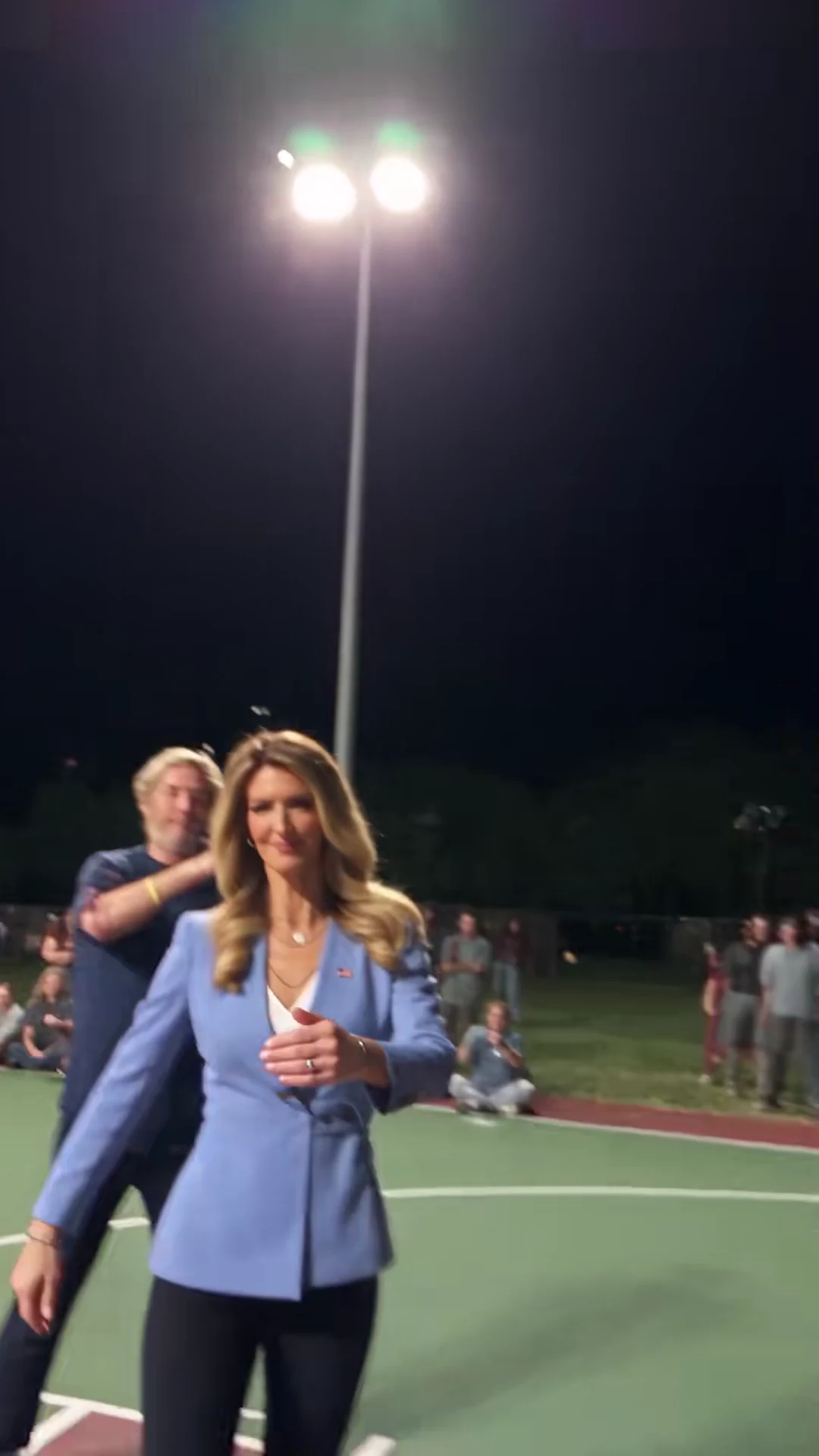
The reference court in the credited @scrambledai source clip, not an Oakgen output.
A location photo changes the surroundings. The template is set up to keep the players, ball, hoop and action, but that is an instruction, not a guarantee. Look for:
- the same place in every shot: the wide drives, the low angle under the hoop and the straight-on celebration shots;
- a hoop that belongs in the room, standing on the floor rather than floating;
- a floor the players stand on, with feet meeting it during the celebrations;
- spectators and banners that make sense in the new place, or none at all;
- a sensible last second: the whip-pan should point at the location's own light, not at floodlights that do not exist there.
The any-setting page explains which photos give the template the most to work with.
Decide: keep, or change one thing
Write down the time and the problem, then change one input at a time:
| Problem | First change |
|---|---|
| Attacker's face drifts in the celebrations | A sharper, front-facing attacker photo |
| Defender unrecognisable from behind | A defender photo that shows hair and outfit |
| Setting changes between shots or the hoop floats | A wider location photo with clear floor space |
| Ball doubles or vanishes at the rim | Generate again with the same inputs before changing photos |
Each new attempt is a separate generation with its own quote, so set your own limit before you start. If you post, say that the video is AI-made, and if you show the source beside yours, credit @scrambledai and label them separately. For casting both players with a specific matchup in mind, see the attacker and defender page.