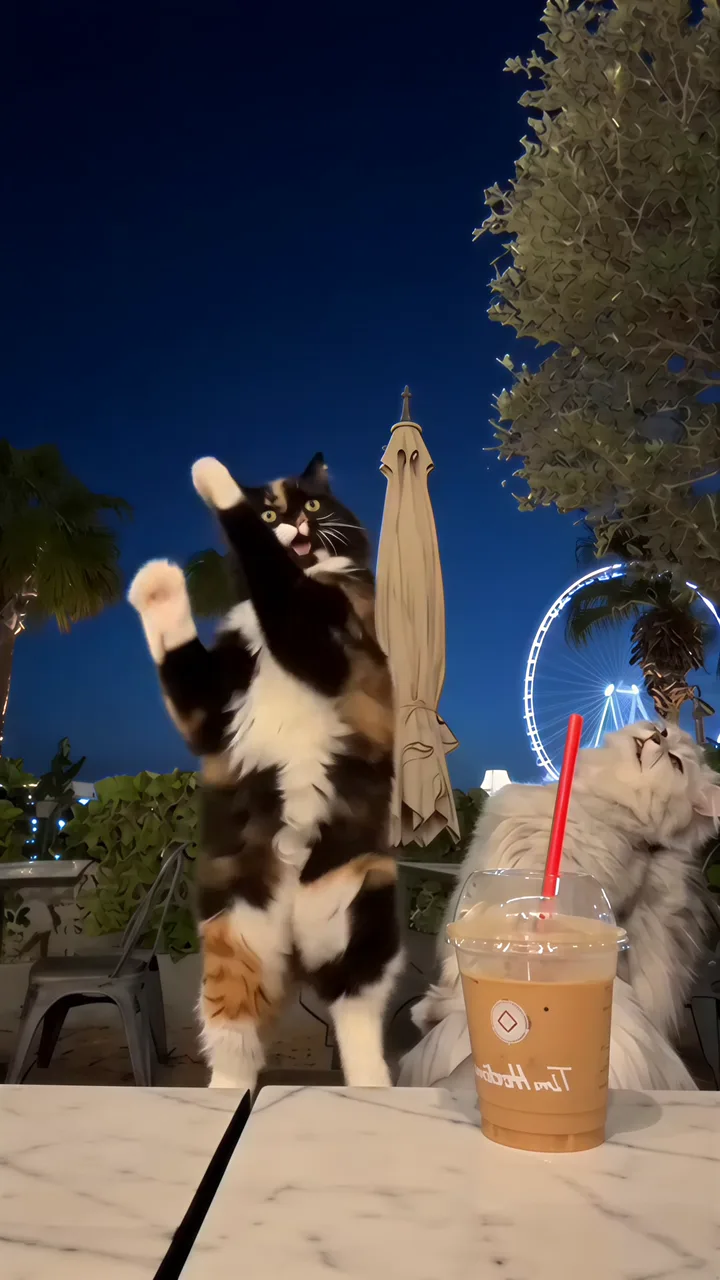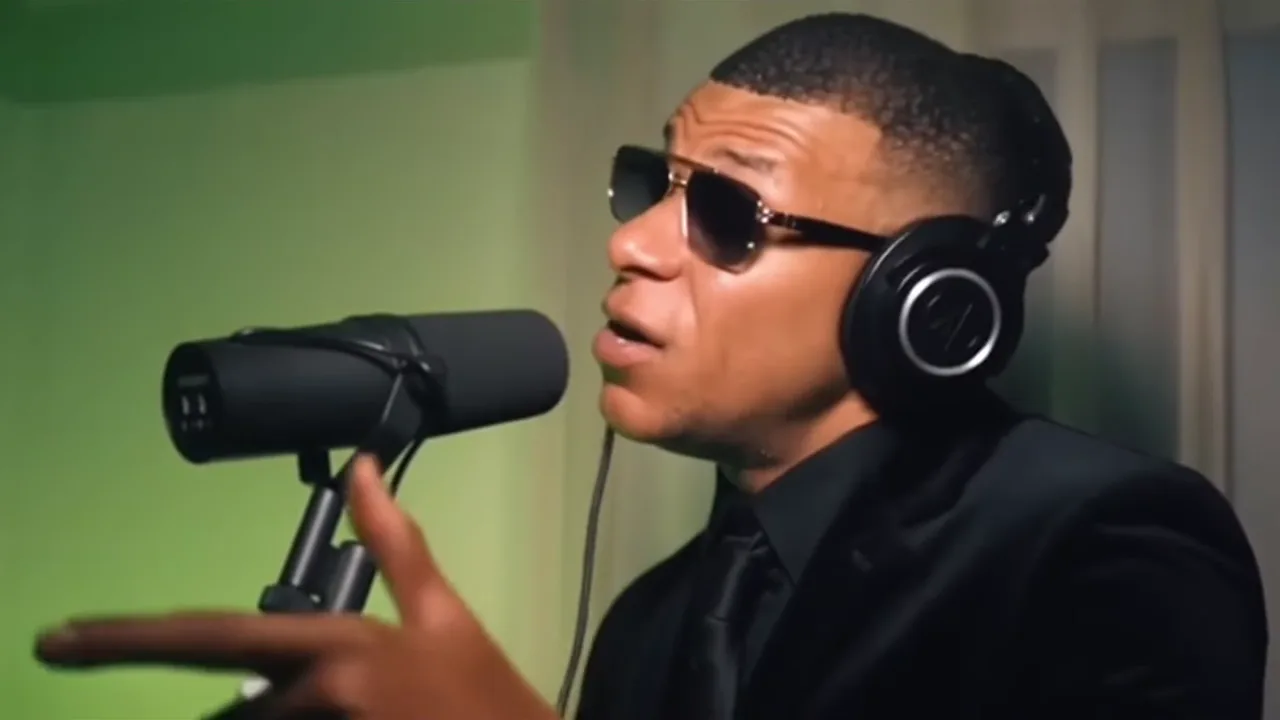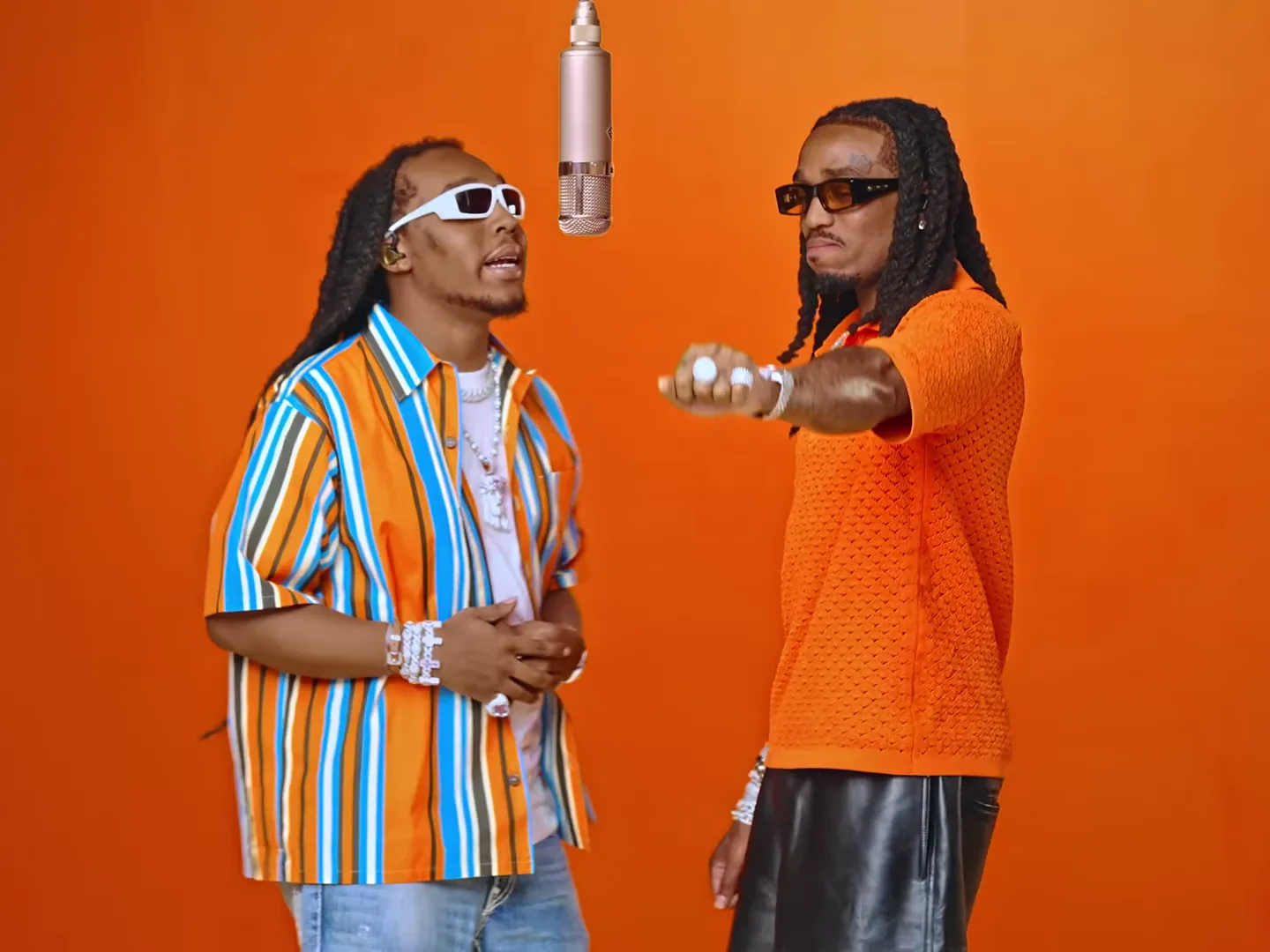
A useful AI trend hook tells viewers why this particular person belongs in this particular scene. It creates a small expectation the video can fulfill. “Me after answering one email” gives a stadium celebration a purpose; “Wait for it” merely asks for patience.
Start with the scene you already have. Hotel Lobby supports a shared performance, Mansion Tour supports a luxury fantasy, and Stadium Celebration supports an exaggerated reaction. The hook should fit the template’s existing action rather than promise something the clip cannot show.
Use a contrast the audience can recognize
Three simple structures are enough to begin:
| Structure | Example | What the viewer expects |
|---|---|---|
| Small achievement, huge reaction | “Me after sending the email I avoided all week” | An excessive celebration |
| Ordinary identity, unexpected performance | “The quiet people in the group chat” | A confident duo |
| Tiny saving, extravagant fantasy | “Cancelled one subscription” | An absurdly luxurious life |
These are draft examples, not measured high-performing captions. Adapt them to your audience instead of treating the wording as an algorithm trick.
A hook should be specific without needing private context. “After what happened Tuesday” means little to a stranger. “After finally remembering my password” gives the same sense of relief to a broader audience.
Write the payoff before polishing the hook
For the subscription joke, the mansion already supplies the exaggerated reward. You can end with “Renewed it the next day” if the clip leaves a clear place for a second caption. For the email joke, the celebration may be enough; another punchline could weaken it.
Ask whether the opening promises a new event. “The car disappears at the end” is wrong if the clip contains no disappearance. A hook can reinterpret what happens, but should not make the viewer wait for a fabricated payoff.
TikTok’s Creative Codes recommends a hook, body and close for advertising creative. That is a useful planning structure here, not evidence that using it will make an organic AI trend go viral.
Fit the line to the available image
Add the hook in a separate editor after downloading or use it in the post caption. If placing text on the clip, keep it away from the key face, microphone or gesture. Check the entire time it is visible, not just the first frame.
Read the line aloud. If it needs several breaths, shorten it. “When the team realizes the meeting was cancelled” is easier to process than a paragraph explaining everyone's schedule.
Do not add three opening hooks because you cannot choose. Make two versions with different first lines, using the same finished clip, and ask which one communicates the premise more clearly before publishing.
Evaluate understanding before reach
Show the edit to someone without explanation and ask what they expected after reading the opening. Then ask whether the clip delivered it. This separates a confusing premise from a generation-quality issue.
Once posted, compare your own results cautiously. Different audiences, dates and distribution can affect outcomes, so one post does not prove a universal rule. Saves or comments may reveal useful reactions even when the raw view count is modest.
For complete projects, use the Hotel Lobby duo ideas, silent mansion parody, and stadium reaction guide. The video trend creative playbook helps turn a good opening into a coherent series.
Make the opening agree with the thumbnail frame you choose, so the cover and clip promise the same thing. For several posts, use the weekly content plan to avoid repeating one hook with different scenery.
Frequently asked questions
What is a good hook for an AI trend video?
A good hook gives the existing scene a recognizable purpose and promises a payoff the clip actually contains, such as an oversized celebration of a small achievement.
Will a strong hook make my AI trend go viral?
No hook guarantees reach. Use it to make the premise clear, then evaluate your own audience’s response without treating one result as a universal rule.