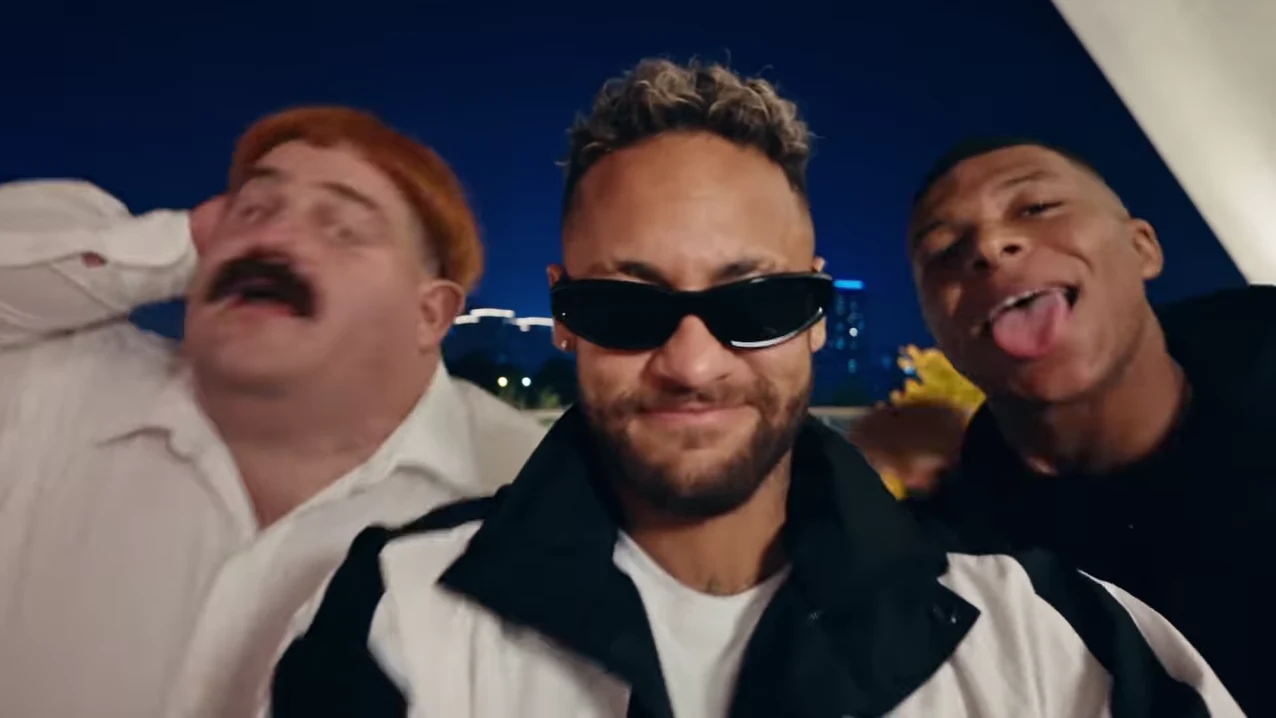
For Oakgen's Gangnam Style Trio, prepare three separate photos in this order: center, left, right. Left and right mean positions on screen in the opening group shot. They do not mean the performers' own left and right, and upload order is not left-to-right reading order.
That distinction matters because this is more than a continuous group dance. The roughly 20-second landscape reference opens with the trio, moves through individual close-ups and returns to the group. Every identity must remain readable both alone and next to the others.
Name the roles before choosing photographs
Write a short cast list: “Center: Alex. Left: Sam. Right: Jordan.” Then choose one photo for each entry. The labeled opening group poster in the tool is the reference for assignment; check it before proceeding to the quote.
Avoid submitting the same group photograph to every slot and expecting the system to infer which person belongs where. Each role needs an unambiguous subject. If you begin with a group image, make separate crops that preserve the intended head and useful upper-body detail without leaving another face visible.
The center performer returns repeatedly, but the other two are not background extras. Each has an individual moment where the viewer can inspect their face. Treat all three inputs as equally important.
These stills identify the three source roles. They show the supplied recreation, not the people you must upload and not Oakgen-generated results.
| Photo slot | Supplied reference still |
|---|---|
| 1 — Center | 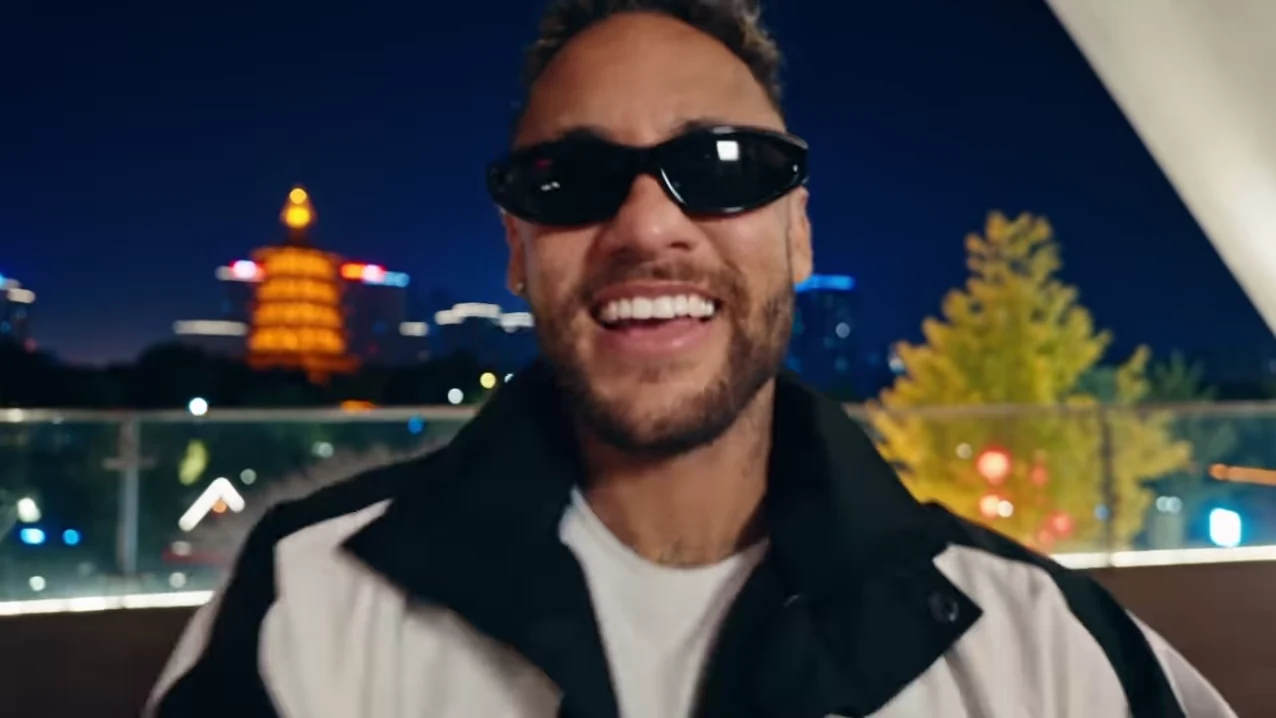 |
| 2 — Left | 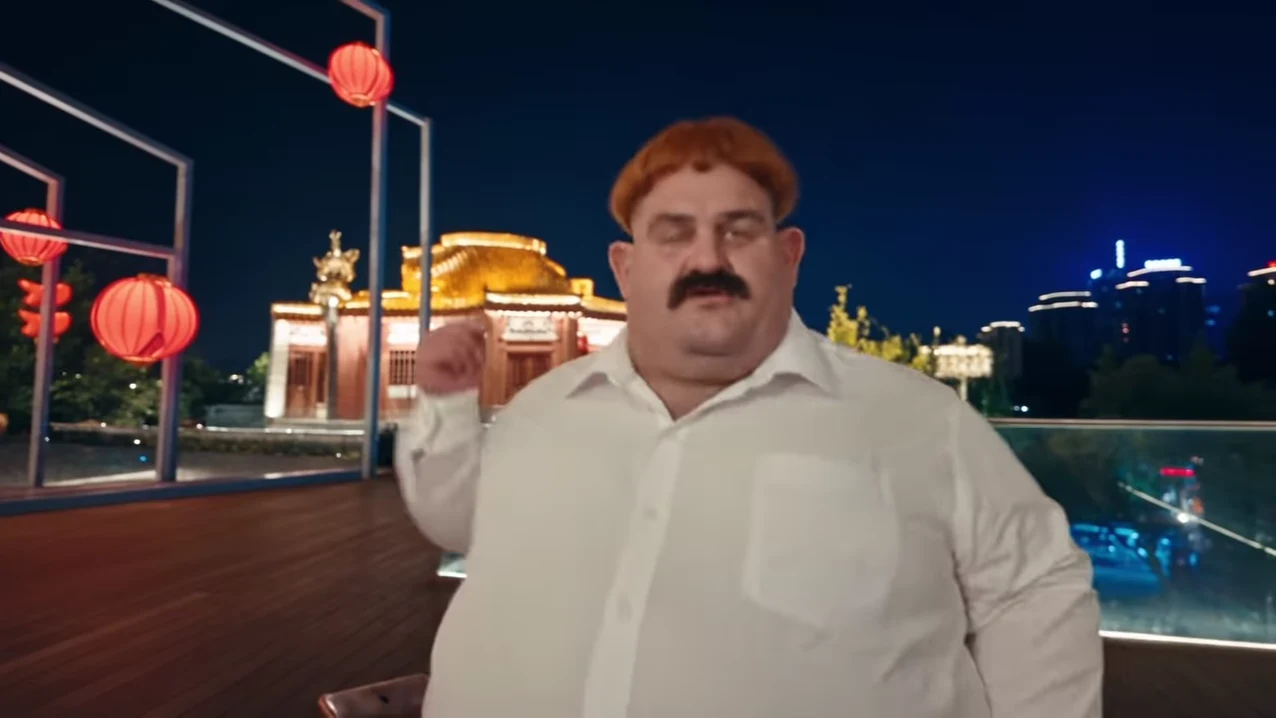 |
| 3 — Right | 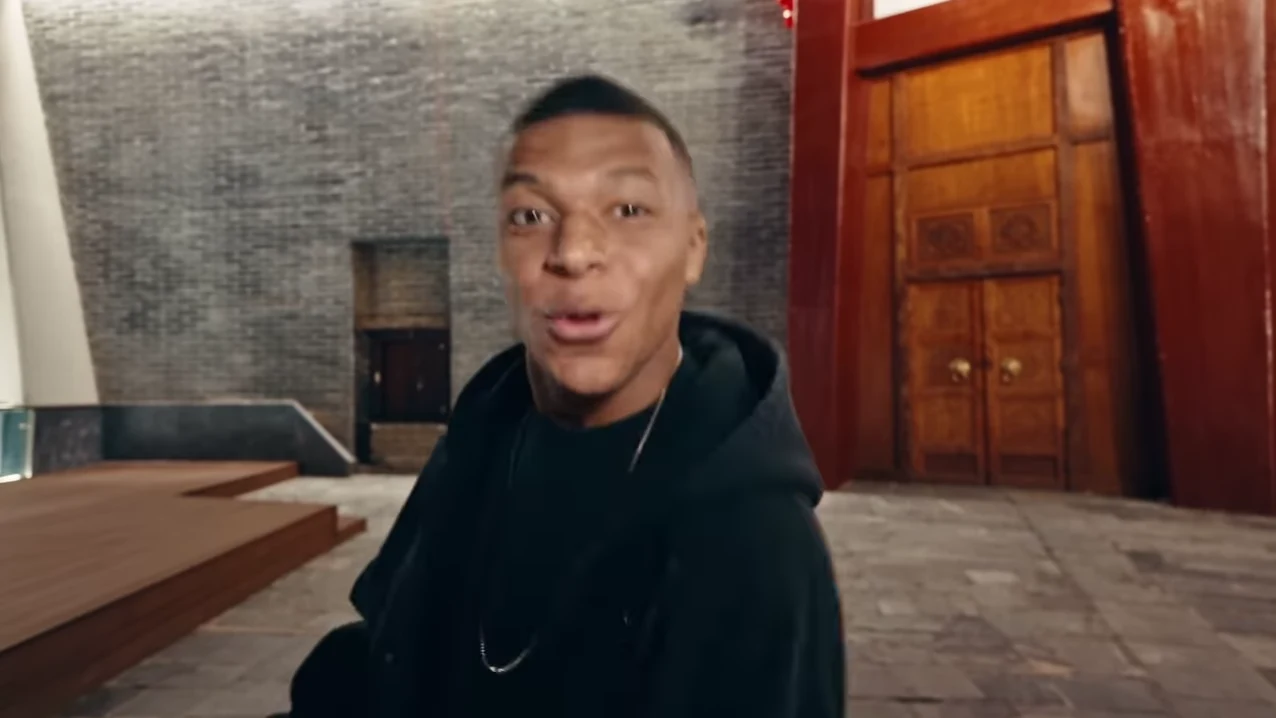 |
Use the shot map to check the cast
The table below summarizes the inspected reel at approximately one-second intervals. Exact transitions should be checked against your finished video before adding text. The order is the useful part: group, center, left, right, center, group.
| Approximate source time | Featured role | Casting check |
|---|---|---|
| 0–1.3 seconds | All three | Each face occupies the intended opening position |
| 1.3–4.4 seconds | Center | The center portrait is clearly recognizable on its own |
| 4.4–8.1 seconds | Left | The left identity remains the same outside the group |
| 8.1–12 seconds | Right | The camera transition does not introduce a different identity |
| 12–16.1 seconds | Center | The returning lead matches the earlier close-up |
| 16.1–20 seconds | Rejoining, then all three | Everyone returns to the correct relationship in frame |
A viewer can forgive a fast movement that briefly hides a face. A person returning as somebody else breaks the idea of three friends sharing one performance. Compare reappearances rather than judging the opening frame alone.
Choose photos for recognition, not matching poses
You do not need to photograph your friends dancing or recreate the nighttime terrace. Choose photos where eyes, face shape and hair are easy to judge. Some upper-body detail helps establish the outfit you intend, while a face hidden behind a hand or a strong filter gives you less reliable information.
The source's center performer wears sunglasses. That does not mean your identity photo should hide the eyes too. The photo's job is to describe the subject; the reference supplies the performance. The visible source remake also does not establish that the named celebrities in its caption performed the underlying footage.
If the three portraits have different lighting, prioritize clarity over cosmetic uniformity. A heavily tinted portrait may make it difficult to distinguish real appearance from the photograph's color treatment. Choose clearer inputs when available, without assuming identical lighting guarantees a better result.
Give each friend a readable comic role
A simple group story can follow the camera sequence. Introduce the trio as “The group chat when the booking is confirmed.” Label the center close-up “Already packed,” the left solo “Still checking dates,” and the right solo “Only here for the food.” Return to one shared line at the end: “Somehow, we're all going.”
These are optional overlays added after download. They do not change the choreography or generate spoken dialogue. Remove individual labels when a different person takes over the frame; otherwise the joke can accidentally assign the wrong role.
Keep a version without overlays. If the roles are correct but the labels confuse viewers, fixing the text timing is easier than recasting or regenerating the scene.
Review the wide version before making a vertical edit
Watch the landscape download once before adapting it for a phone. A fixed center crop can hide the side performers and make an otherwise correct cast seem incomplete. The Gangnam Style Trio vertical editing guide explains a fit-and-reframe plan for this shot sequence.
The song and source guide separates PSY's music from the supplied recreation's attribution. Our casting map is based on @gusgrumble's supplied reel, inspected October 18, 2026. Its cover frame is a supplied recreation, not an Oakgen-generated example. We did not run a paid creative test for this article.
Check all three roles together
Prepare center, left and right photos, then check their positions on the labeled group poster.
Frequently asked questions
What is the upload order for Gangnam Style Trio?
Center first, then the performer on the left of the opening frame, then the performer on the right. All three photos are required.
Can I use a single group photo?
Prepare a separate, unambiguous identity image for each slot. If you start with a group photo, crop each person separately rather than asking every slot to interpret the whole group.