Animal Identifier
Identify any animal from photos with species info, behavior details, and conservation status
Open Animal IdentifierAdd your photo in the workspace. Uploads require a plan.
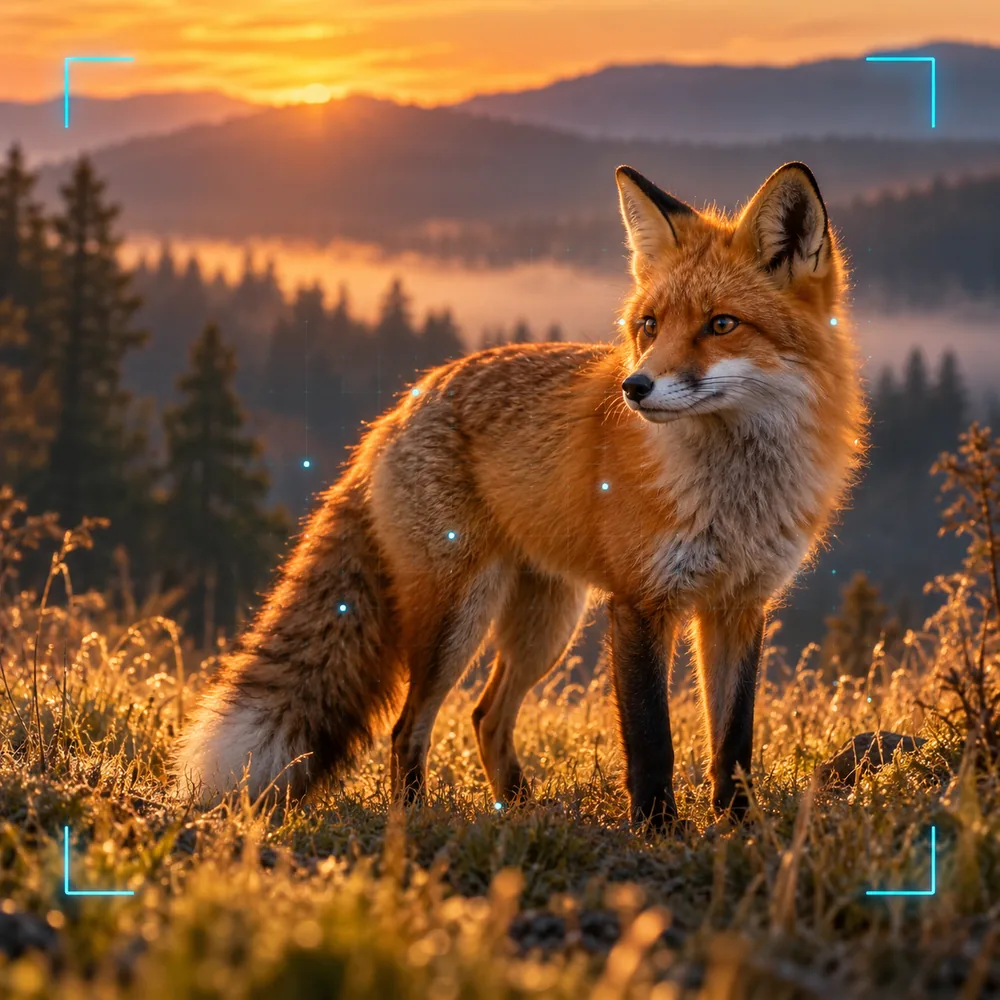
What this analysis gives you
The Animal Identifier studies body shape, size, coloration, markings, and features such as horns or fins in your photo. It names the likely species or breed with its scientific name and a confidence level, then covers physical traits, habitat, behavior and diet, conservation status, interaction with humans, and notable facts.
Report sections
- Species Identification
- Physical Characteristics
- Habitat and Distribution
- Behavior and Diet
- Conservation Status
- Interaction with Humans
- Interesting Facts
What a photo cannot prove
- Look-alike species, juveniles, and mixed-breed animals can be hard to separate from a single photo.
- Conservation status comes from the model's general knowledge and may lag behind the latest official assessment.
- Age, sex, and health notes are visual observations, not a diagnosis.
- Safety notes are general guidance and do not replace local wildlife or veterinary advice.
When to use it
Wildlife sightings
Put a name to an animal you photographed on a walk or trip, with its native range, habitat, and conservation status.
Pet breed questions
Get the likely breed of a dog, cat, or other pet with its typical size, lifespan, behavior, and pet suitability.
Nature education
Build a lesson or school project from the taxonomy, diet, behavior, and adaptations the report lays out in sections.
Safety awareness
Check the report's interaction with humans section for potential dangers before you get closer to an unfamiliar animal.
How it works
- Upload a clear photo of the subject.
- Add optional context. Optional context helps improve identification accuracy
- Select Analyze Image. The report usually arrives in 10-15 seconds and is saved to your analysis history.
Price per analysis
| Vision model | Credits |
|---|---|
| GPT-4o (default) | 5 |
| GPT-4o Mini | 3 |
If an analysis fails, its credits go back to your balance automatically. Credits come with every Oakgen plan and are shared with image, video and audio tools.
Frequently asked questions
How accurate is the animal identification?
The report explains the distinguishing features it used and gives a confidence level. When it cannot identify the animal definitively, it gives its best assessment with reasoning instead of a single unqualified answer.
What kind of photo works best?
A sharp photo that shows the whole animal, ideally from the side, plus any distinctive markings. Optional context, such as the country or habitat where you saw it, helps separate look-alike species.
Can it identify dog and cat breeds?
Yes. Breed identification is part of the analysis, and the report names a breed or subspecies when visible features support it. For mixed-breed animals, treat the breed as a visual estimate.
How much does an animal analysis cost?
Each analysis costs 5 credits with GPT-4o or 3 credits with GPT-4o mini. If an analysis fails, the credits are returned automatically.
Can it replace a vet or wildlife expert?
No. Health observations are visual notes, not a diagnosis. If an animal is injured, sick, or may be dangerous, keep your distance and contact a veterinarian or your local wildlife authority.
Further references
Pricing and support
- Plans and credits
Current plans, credits and per-model costs. Credits for a generation that fails go back to your balance automatically.
- Terms of service
Oakgen does not claim ownership of your inputs or eligible outputs. Commercial use also depends on the model provider's terms.
- Refund policy
How to request a refund or billing help, and how cancellation works.
- Contact support
Questions about a model, a result or billing: [email protected].