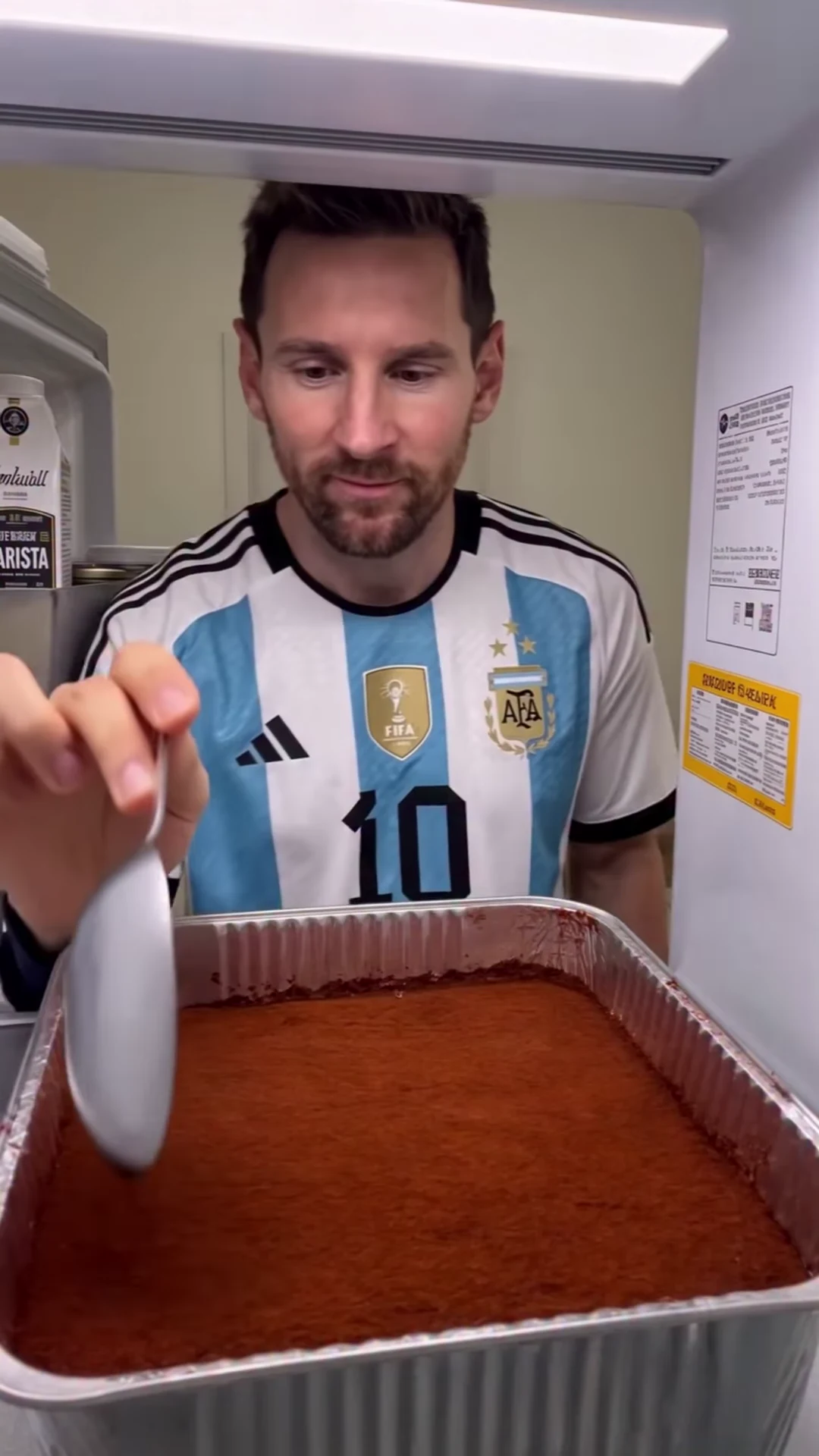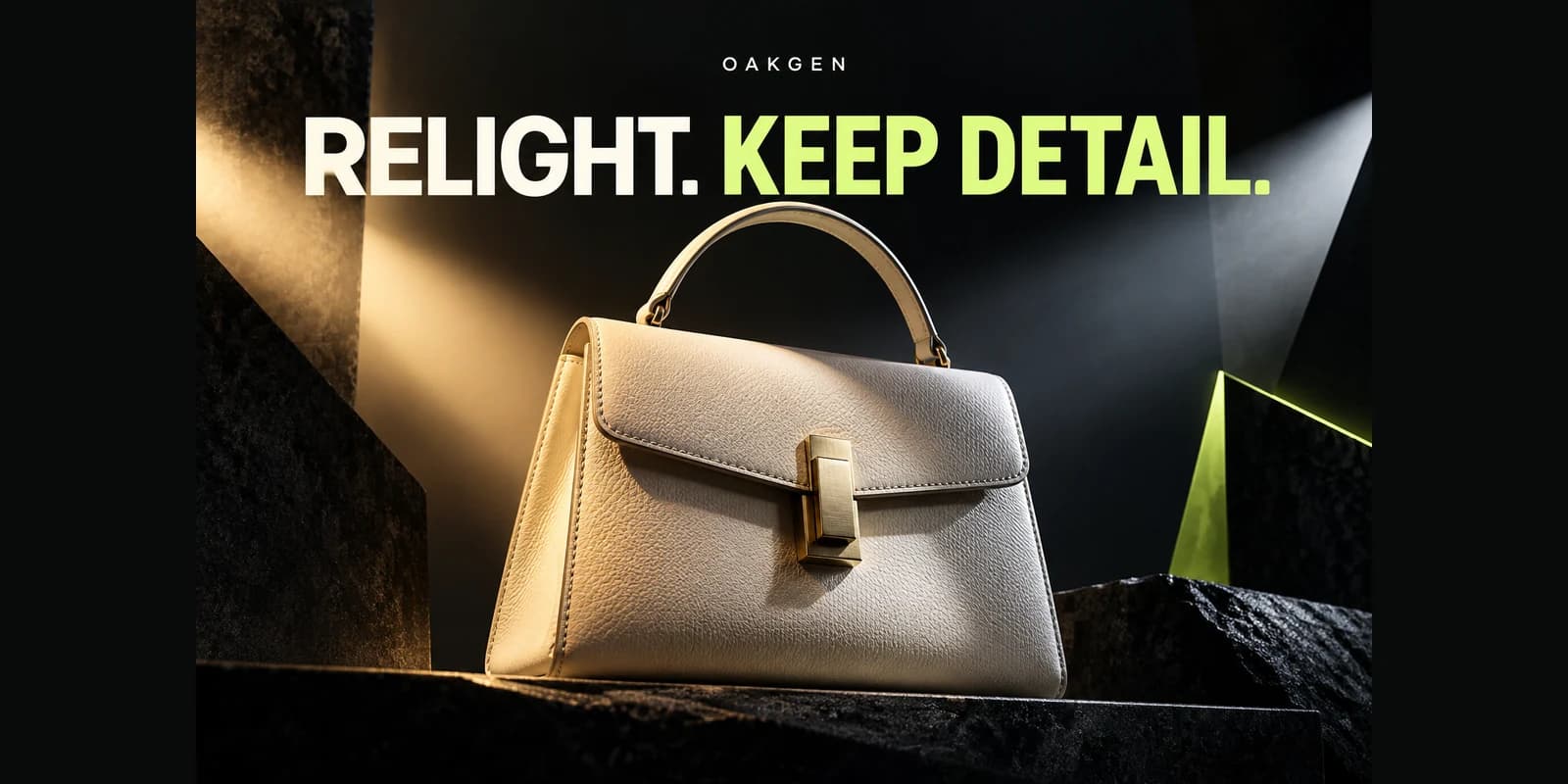
Nano Banana Pro (NBP) is the AI image model you reach for when a human face has to look like a human face. Pores, subsurface scattering, eye moisture, stray hairs, fabric weave, brass patina — NBP renders the physical world with a fidelity that other models still approximate. It is not the best model for typography, long-form copy, or dashboard layouts. It is the best model available today for photoreal portraits, editorial fashion, product photography, and any scene where material truth matters more than structural reasoning. If you shoot faces, skin, leather, glass, metal, or food — NBP is your default. Everything else is a tradeoff.
What is Nano Banana Pro?
Nano Banana Pro is Google's flagship photorealistic image model, available on Oakgen's Image Generator alongside 40+ other models. It is the direct predecessor to Nano Banana 2 and remains the photoreal champion for close-range human subjects. The model accepts up to 14 reference images per generation and was trained with a heavy bias toward photographic material fidelity rather than illustrative or graphic output.
Three things define NBP in production:
- Skin and material rendering. Subsurface scattering, micro-roughness, specular highlights on wet surfaces — NBP handles these the way a mid-tier DSLR shot handles them. Other models produce textures that look correct in a thumbnail and fall apart at 100% zoom.
- Reference stacking. Up to 14 images. Feed it a face, a jacket, a lighting setup, and a location — NBP composes them rather than averaging them.
- Editorial tonality. Default aesthetic is closer to a commercial photographer's natural color grade than a synthetic "AI look." Minimal prompt engineering needed to get production-ready tonality.
Capabilities
Photoreal portraits. This is NBP's strongest domain. The model handles skin variation across ethnicities, age, and lighting conditions without the plastic or over-airbrushed feel common to most image models. Eyes are directionally correct (a perennial failure for diffusion models). Hand rendering is not perfect but is significantly better than the FLUX family on portrait-scale hands.
Skin texture. At close range, NBP renders pores, fine wrinkles, capillary redness, sebum highlights, and subsurface scattering in pale skin. It also renders makeup correctly — foundation, lip gloss, eye shadow transitions. A specific test: ask for "close-up of a freckled face, natural light" and NBP produces freckles with size and distribution variance, not the uniform dot pattern most models generate.
14 reference images. The maximum reference stack on any mainstream image model. Most models cap at 3-4. NBP's stack behavior is synthetic, not averaged: it identifies features across references and composes them. This is the mechanism that makes NBP the best model for branded character work and multi-output consistency.
High-fidelity material rendering. Leather grain, brass tarnish, woven fabric, clear glass with correct refraction, wet stone, polished concrete, rust, patina, wood grain. NBP understands that materials have sub-millimeter variation and renders it. For product photography and lifestyle imagery this is the single most important capability.
Cinematic lighting. NBP interprets lighting vocabulary (Rembrandt, split, rim, kicker, practical, motivated) correctly. Most models treat lighting terms as style keywords. NBP treats them as physical setups.
Where NBP is class-leading
- Branded headshots and team photography. 14-image reference stack + consistent skin = a fast path from reference photo to a full set of generated headshots that look like the same person.
- Editorial fashion. Natural lighting, fabric behavior, skin tonality. NBP matches the output profile of commercial fashion photography more closely than any other model we have tested.
- Product photography with organic materials. Leather, wood, ceramic, glass, food. For synthetic or metallic products, FLUX 2 Pro Max is comparable; for anything with biological or natural material variance, NBP wins.
- Lifestyle and interior photography. Mixed light temperatures, soft shadows, depth of field with correct bokeh geometry. NBP's bokeh balls have the lens artifacts (cat's eye near edges, onion rings in cheap glass) that give images believability.
- Multi-generational family portraits. Correctly handles age-variant skin in the same frame without regression toward a uniform age. Rare capability.
- Documentary and environmental portraits. NBP captures context and subject in the same frame with correct relative focus, not the uniform sharpness that reveals AI origin.
Where NBP falls short
NBP is not a general-purpose model. Three domains where it underperforms and you should use something else:
Text rendering. NBP can render short signage and titles, but fails at 10pt body copy, multilingual layouts, and any prompt requiring legible paragraphs. Pseudo-text is common. For anything typography-heavy — magazine covers, posters with dense copy, app UI mockups, infographics — switch to GPT Image 2. That model is +2 to +3 points ahead on text across every benchmark we have run.
Typography-heavy layouts. Not just text rendering — structural typographic composition. Grids, magazine spreads, dashboards, ad creative with strict hierarchy. NBP will produce the photographic subject beautifully and mangle the layout around it.
Structural reasoning. Infographics, arrows, call-outs, labeled diagrams, cross-sections, technical illustrations. NBP does not reason about structural relationships the way GPT Image 2 does. Pick GPT Image 2 for anything where the image has to "explain" something.
If your image's job is to show a physical thing, use NBP. If its job is to communicate information, use GPT Image 2. Everything else — style-driven illustration, brand-forward graphics, editorial non-photography — is a judgment call where FLUX 2 Pro Max and Midjourney v7 are both viable.
Prompting NBP
NBP rewards specific, physical, photographic language. It punishes vague mood words.
What works:
- Reference images. The single biggest lever. Upload 2-5 references for consistency work, 8-14 for complex composited scenes.
- Specific lens and camera language. "85mm f/1.4," "shot on medium format," "natural window light from camera left," "shallow DOF with out-of-focus foreground element." NBP interprets these as physical constraints.
- Explicit material descriptions. "Cracked vegetable-tanned leather," "oxidized brass with green verdigris," "matte bisque ceramic." Specificity produces specificity.
- Lighting setups by name. Rembrandt, split, butterfly, clamshell, rim. NBP renders these correctly.
- Time-of-day and weather language. "Golden hour with long shadows," "overcast 10am light," "blue hour, streetlamps just on."
What fails:
- Vague mood words. "Beautiful," "stunning," "amazing," "cinematic" (without specifics) add nothing and sometimes push the model toward generic AI aesthetics.
- Conflicting style directives. "Photorealistic oil painting watercolor anime." NBP tries to satisfy all, produces mush.
- Quantity adjectives without structure. "Many things," "lots of detail," "complex scene." Replace with a list.
- Typography-first prompts. As above — wrong tool.
10 best prompts for NBP
Each prompt is ready to paste into Oakgen's Image Generator. Modify the subject details to your use case.
1. Candid street portrait with skin texture
Candid street portrait of a woman in her early 30s with freckles and
auburn hair, standing in diffuse overcast light, shot on 85mm f/1.8,
shallow depth of field, subtle skin texture with visible pores and fine
facial hair, natural color grade, wearing a charcoal wool coat,
background is out-of-focus urban facade in soft grey tones, no makeup
except light lip balm, caught mid-breath with slight parted lips.
2. Product photography — leather and brass
Studio product photograph of a vintage leather-bound notebook sitting on
a walnut desk, tarnished brass clasp with green verdigris at the hinge,
pages slightly swollen from humidity, single hard light from top-left at
45 degrees, hard-edged shadow on desk, shot on medium format with 120mm
macro, f/8, deep focus, color temperature 5200K, no props other than a
brass fountain pen placed diagonally at the bottom of frame.
3. Family photo — multi-generation
Environmental family portrait of a grandmother, mother, and eight-year-old
daughter seated on a wooden porch at golden hour, mixed ages rendered
accurately — grandmother with deep skin folds and age spots, mother with
mid-30s skin, daughter with child skin smoothness and visible baby hairs,
natural warm backlight creating rim around all three, candid expressions
(grandmother smiling softly, mother laughing, daughter looking off-frame),
shot on 50mm f/2, no retouching aesthetic.
4. Editorial fashion — natural lighting
Editorial fashion photograph of a model standing in a white loft with
north-facing floor-to-ceiling windows, soft diffused 10am daylight only,
wearing an oversized camel cashmere coat and black silk slip, standing
three-quarter facing with head turned toward window, natural skin with
minimal makeup, shot on 85mm f/1.4 with medium format sensor, shallow DOF
falling off behind the subject, muted neutral color palette, minimal
styling, gallery-quality rendering.
5. Documentary still — environmental portrait
Documentary portrait of a fisherman in his 60s repairing a net on a
weathered wooden dock at blue hour, sodium streetlamp providing warm key
light from camera right, ambient blue sky fill, deep facial wrinkles and
sun-damaged skin rendered with high texture fidelity, calloused hands in
mid-motion on the net, shot on 35mm f/2 with slight motion blur on hands,
harbor lights bokeh in background, unretouched aesthetic.
6. Branded campaign headshot
Corporate branded headshot of a woman in her 40s with short silver hair
and a navy blazer, seated against a warm grey seamless backdrop, clamshell
lighting with large softbox key and reflector fill, direct eye contact,
slight closed-mouth smile, skin rendered with natural pores and minor
imperfections (no plastic smoothing), catchlights in both eyes from the
softbox, shot on 85mm f/4 medium format, color-graded for LinkedIn with
neutral whites and +5 warmth, no dramatic shadow.
7. Cinematic hero shot
Cinematic hero shot of a racing driver removing a helmet in pit lane,
late afternoon directional sun, heavy motion blur on background pit crew,
subject razor sharp with sweat-damp hair and flushed skin, anamorphic
lens with horizontal flare from key light, 2.39:1 aspect ratio feel,
color graded teal-and-orange but restrained (not maxed), shot on Arri
Alexa equivalent with 50mm anamorphic.
8. Lifestyle image — interior
Lifestyle interior photograph of a sunlit Scandinavian kitchen at 9am,
window light streaming across a white oak island, linen curtains
diffusing the highlights, ceramic coffee cup with steam, unmade breakfast
scene with crumbs and a butter knife on a wooden board, no human in frame
but evidence of recent presence, shot on 35mm f/4, deep focus from
counter to back wall, warm color grade with preserved whites.
9. Commercial product with hands
Commercial product photograph of hands (female, late 30s, natural short
nails, no polish) holding a ceramic mug with coffee, shot from above on a
warm oak table, soft window light from upper left, shallow depth of
field focused on the mug rim and fingernail edges, subtle skin texture
with visible knuckle creases and fine hairs, 50mm macro f/2.8, no
retouching aesthetic, gentle steam rising from the coffee.
10. Reference-stacked character across 3 outputs
[Upload 3-5 reference images of your character: one full-face, one
profile, one full-body, plus clothing references]

Three-shot sequence of the referenced character in the same outfit:
(1) seated at a cafe window reading, 85mm f/1.8, afternoon window light;
(2) walking across a tiled plaza, 35mm f/4, overcast midday;
(3) standing in a bookshop aisle, 50mm f/2, warm tungsten light.
Maintain exact facial structure, skin tone, hair, and outfit across all
three. Natural, unretouched aesthetic.
Using reference images
Reference images are NBP's superpower. How they behave:
1 reference image. Treated as a strong style and subject anchor. Good for "same character, new scene" or "same style, new subject."
2-5 references. NBP blends. Typical stack: one face reference, one outfit reference, one location reference, one lighting reference. The model composes rather than averages.
6-14 references. Use for character design with heavy brand constraints. Typical stack: multiple angles of the same face, outfit in different lighting, location references, mood board, color palette card, competitive visual examples to define the aesthetic.
How to upload on Oakgen. Drag up to 14 images into the reference panel in the Image Generator. Label each by role in your prompt (e.g., "the face in image 1, wearing the outfit from image 3, in the location shown in image 5"). Explicit role-labeling outperforms unlabeled reference stacks by a large margin.
When not to stack. If you want creative divergence, fewer references. Heavy stacks constrain the model tightly and can produce outputs that feel composited rather than organic. Start with 2-3 references and add only if you need more control.
Cost on Oakgen
NBP is priced at Google's list API rate plus a zero platform margin (Oakgen charges third-party cost 1:1, converted to credits at 260 credits per USD). Per image, that works out to the credit equivalent of the underlying Google Vertex AI Imagen pricing.
Getting credits. New accounts start with 0 credits, so you need a plan to run NBP. See pricing for the current credit allocations per plan. Subscribers can also earn bonus credits through approved reviews, referrals, and bug reports.
Best plan for NBP-heavy workflows. The Pro tier is the cheapest per-NBP-generation for sustained use. Ultimate and Creator add higher ceilings if you are running branded headshot pipelines or campaign-scale output. Annual plans distribute credits monthly and are roughly 20% cheaper per credit than monthly billing.
For comparison. NBP is roughly 2x the credit cost of Nano Banana 2 per image. If you don't need NBP's specific photoreal ceiling, Nano Banana 2 is the better economic choice for general imagery.
If you are on the fence about a plan, the Oakgen referral program gives you and a friend bonus credits when they sign up. Useful for running a realistic test before committing.
NBP vs GPT Image 2 vs FLUX 2 Pro Max vs Midjourney
| Capability | Nano Banana Pro | GPT Image 2 | FLUX 2 Pro Max | Midjourney v7 |
|---|---|---|---|---|
| Photoreal portraits | Best | Good | Very good | Good |
| Skin texture at close range | Best | Good | Good | Average |
| Text rendering | Weak | Best | Good | Weak |
| Layout & typography | Weak | Best | Good | Average |
| Reference image count | 14 | 4 | 3 | 5 |
| Material fidelity (leather, metal, glass) | Best | Good | Best | Good |
| Cinematic stills | Very good | Good | Very good | Best |
| Illustration & stylized art | Weak | Average | Good | Best |
| Speed | ~3s | ~3s | ~4s | ~5s |
| Cost per image | High | High | Medium | Medium |
Decision guide. Pick NBP for faces, skin, and physical materials. Pick GPT Image 2 for anything with text or structured layout. Pick FLUX 2 Pro Max for balanced photoreal with occasional text needs, or when you want synthetic/graphic edge in the output. Pick Midjourney v7 for illustration, stylized aesthetics, and mood-driven concept work. The broader landscape is covered in our top 10 AI image generators guide for 2026.
A practical workflow on Oakgen: use the Image Arena to run the same prompt through two or three models side-by-side, then double down on the model that nailed your specific subject. For portrait work, NBP will win that arena most of the time. For anything with rendered copy, it won't.
FAQ
Is Nano Banana Pro better than Nano Banana 2? For photoreal portraits and skin texture at close range — yes, NBP still leads. For general imagery, 4K native output, and cost efficiency, Nano Banana 2 is better. Pick per prompt.
How many reference images can I use? Up to 14 per generation. Most workflows need 2-5. Use more only when you have strong brand or character constraints to satisfy.
Why does my text look wrong in NBP outputs? Because NBP is not a text rendering model. Switch to GPT Image 2 for anything with legible copy, multilingual signage, or dense typography.
Does NBP work for commercial use? Yes. Generated images are cleared for commercial use under Oakgen's terms. Check the current terms on your account for the definitive answer, especially for logo-likeness or identifiable-person scenarios.
Can I use NBP without a paid plan? No. Oakgen does not give sign-up credits, so NBP runs on credits from a subscription or add-on. For sustained use, the Pro plan is the most cost-effective. See pricing.
How do I get consistent characters across multiple images? Upload 3-5 reference images of the character (multi-angle face, full body, outfit) and use explicit role-labeling in your prompt. NBP's 14-image reference stack is built for exactly this workflow. For a deeper dive, see our character consistency guide.