For designers, GPT Image 2 is the first AI image model that doesn't butcher typography. It's not a Midjourney replacement for artistic output — it's the tool you reach for when you need accurate body copy inside the composition. A headline that actually reads the way you wrote it. A subhead that doesn't collapse into gibberish. A grid that honors the grid. Here's where it fits in a real design workflow, and where it doesn't. If you want the broader context, read what is GPT Image 2. This post assumes you know Figma, understand kerning, and have opinions about Helvetica.
What's actually new for designers
Three capability jumps matter for design work. Everything else is noise.
1. Readable text at small point sizes. Previous models could render a hero word. GPT Image 2 can render a two-line subhead at what looks like 14–18pt equivalent and keep it legible. It's still not typeset-perfect — letterforms wobble on long body copy — but for comps, mockups, and pitch decks, it passes. This is the single biggest unlock. You can finally generate a poster where the call-to-action reads "Doors open Thursday, March 14 at 8pm" and get it back spelled correctly.
2. Structural layout obedience. You can brief it with grid logic — "three-column editorial layout, headline top-left spanning two columns, pull quote bottom-right, generous margins" — and it will follow. Not always perfectly. But close enough that you're art-directing instead of rerolling.
3. 8-asset consistency. Generate 8 outputs in a single session and they share a visual system. Same palette, same type treatment, same photographic style. For brand work this is the difference between "AI toy" and "production tool."
It's currently ranked #1 on LMArena for image generation, which lines up with what you'll feel using it. Runs ~3 seconds per image on Oakgen via FAL with WaveSpeed failover — fast enough to stay in flow.
Use case 1 — Logo and wordmark exploration
Hard truth: do not ship GPT Image 2 output as a final logo. It can't produce clean vector-ready geometry, it drifts on repeat generations, and it has no concept of stroke weight consistency across a mark. You will regret it the first time a client asks for the .ai file.
What it's excellent for: the first 90 minutes of logo exploration. The part where you and the client are trying to decide if the mark should feel editorial, technical, playful, or geometric. Generate 20 variants in under a minute. Print them. Talk about which direction feels right. Then take that direction back into Illustrator and build it properly.
Wordmark for "Kestrel" — a fintech for freelancers.
Five variants on one canvas, 2x3 grid. Monochrome, dark navy.
Variant 1: geometric sans, tight tracking, lowercase.
Variant 2: editorial serif, high contrast, lowercase.
Variant 3: monospace, all caps, wide tracking.
Variant 4: hand-drawn script, lowercase.
Variant 5: custom ligature between 'K' and 'e'.
White background, studio lighting, presentation-grade.
The prompt above would've produced soup in GPT Image 1. In GPT Image 2, five out of five come back legible. You'll throw away four. One will unlock the conversation.
Pro tip: Run logo explorations in sets of 8 with the same style anchor at the top of your prompt. The 8-asset coherence means the whole set feels like a single studio explored one brief — not eight random AI dumps. Much better to present to a client.
Use case 2 — Poster and campaign design
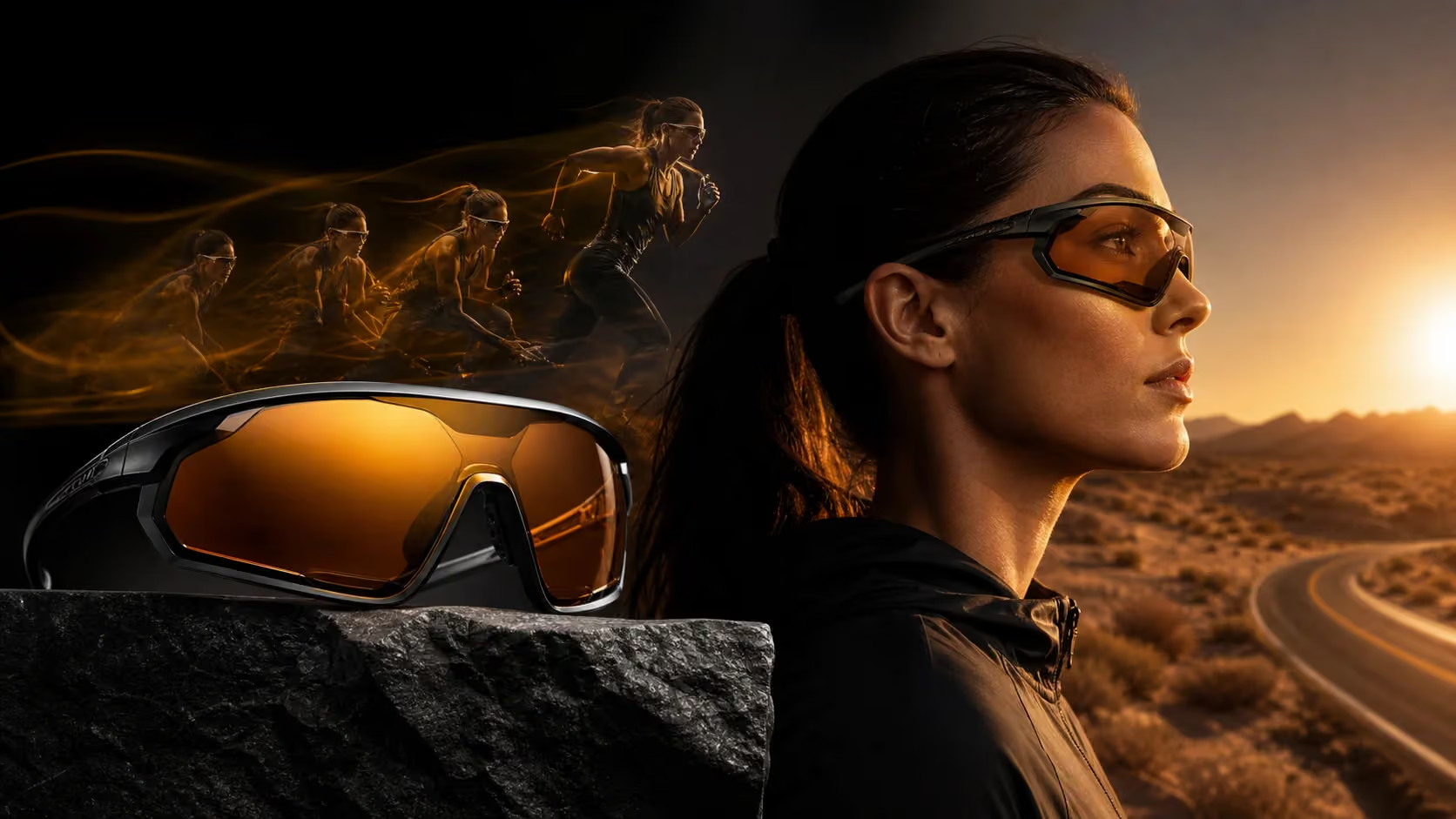
This is where GPT Image 2 earns its keep. Posters and campaign keyframes are pure typography-plus-image — exactly the job it's built for. Multi-line headlines. Editorial layouts. Event signage with dates and venues that have to be correct. Film-poster-style compositions where the title has to sit inside the scene.
Where it shines specifically:
- Editorial magazine covers where the masthead, cover line, and coverline hierarchy all need to render correctly
- Concert and event posters with dates, venues, supporting act names
- Transit and OOH comps for pitches — the kind of work where you need to show the creative director how the headline sits on a bus shelter
- Campaign keyframes with locked tagline placement across variants
Brutalist event poster for an architecture biennale.
Headline "Soft Structures" set in Söhne Breit at poster scale,
top third of the composition, left-aligned.
Subhead: "Milan — May 3 to June 18, 2026" in smaller Söhne.
Image: close-up of concrete casting with soft pink textile draped over it.
Warm natural light. Muted palette: raw concrete, dusty pink, bone white.
A3 vertical, print-ready comp aesthetic.
You'll get back something you can take straight into a pitch deck. Not print-ready — see the pricing section — but pitch-ready.
Use case 3 — Brand board generation
Moodboarding is the hidden killer app. You're briefing a new identity, you need to show the client four or five directions, each with a color system, type treatment, photographic voice, and texture library. Historically that's two days of Pinterest, stock library scrubbing, and a long Figma frame.
With GPT Image 2's 8-output coherence, you can brief a single direction — "warm, tactile, mid-century editorial, burnt orange and cream, analog photography, Futura-adjacent headlines" — and get back 8 images that feel like they came from one studio. Run that four times for four directions. You have a full set of brand-board directions in under an hour.
Style lock-in technique: write your style anchor as the first paragraph of every prompt in the session, unchanged. Change only the subject. The model treats the style block as a system prompt and stays consistent.
Do not use GPT Image 2 outputs as final client deliverables without significant rework. For brand boards, mood boards, and pitch visuals — fine. For assets the client will print, post, or license — you need to rebuild in Figma, Photoshop, or Illustrator. The output is reference quality, not production quality, and the commercial rights situation is still evolving.
Use case 4 — Social-first campaign assets
Campaign rollout across Instagram, TikTok covers, LinkedIn banners, and email headers is a text-heavy nightmare. Every format needs the headline re-flowed. Every asset needs the CTA placed correctly. This is the job GPT Image 2 was born for.
One brief, 8 outputs, all on-brand, all with correctly spelled campaign copy. That's a week of layout work compressed into a 3-minute generation cycle. If you work in-house or run campaigns for clients, this alone justifies the tool. For more on this workflow, we have a dedicated guide for social media managers and the hand-off between generation and scheduling.
Campaign set, 8 assets, 1080x1350 Instagram portrait.
Brand: "Slowroast" — specialty coffee subscription.
Style: muted earth palette, film grain, warm shadows, hand-lettered accents.
Headline rotates across all 8: "This month: Ethiopia Yirgacheffe",
"Tasting notes: jasmine, bergamot, honey", "Ships Thursday",
"Free grinder with annual plans", "Meet the roaster: Abel",
"From farm to doorstep in 12 days", "Light roast, medium body",
"Subscribe by Sunday to ship this week".
Subject: hands holding a ceramic cup, overhead coffee bag flatlay,
roaster at work, farm landscape, packaging detail, brewing scene,
tasting flight, barista smiling. One per asset.
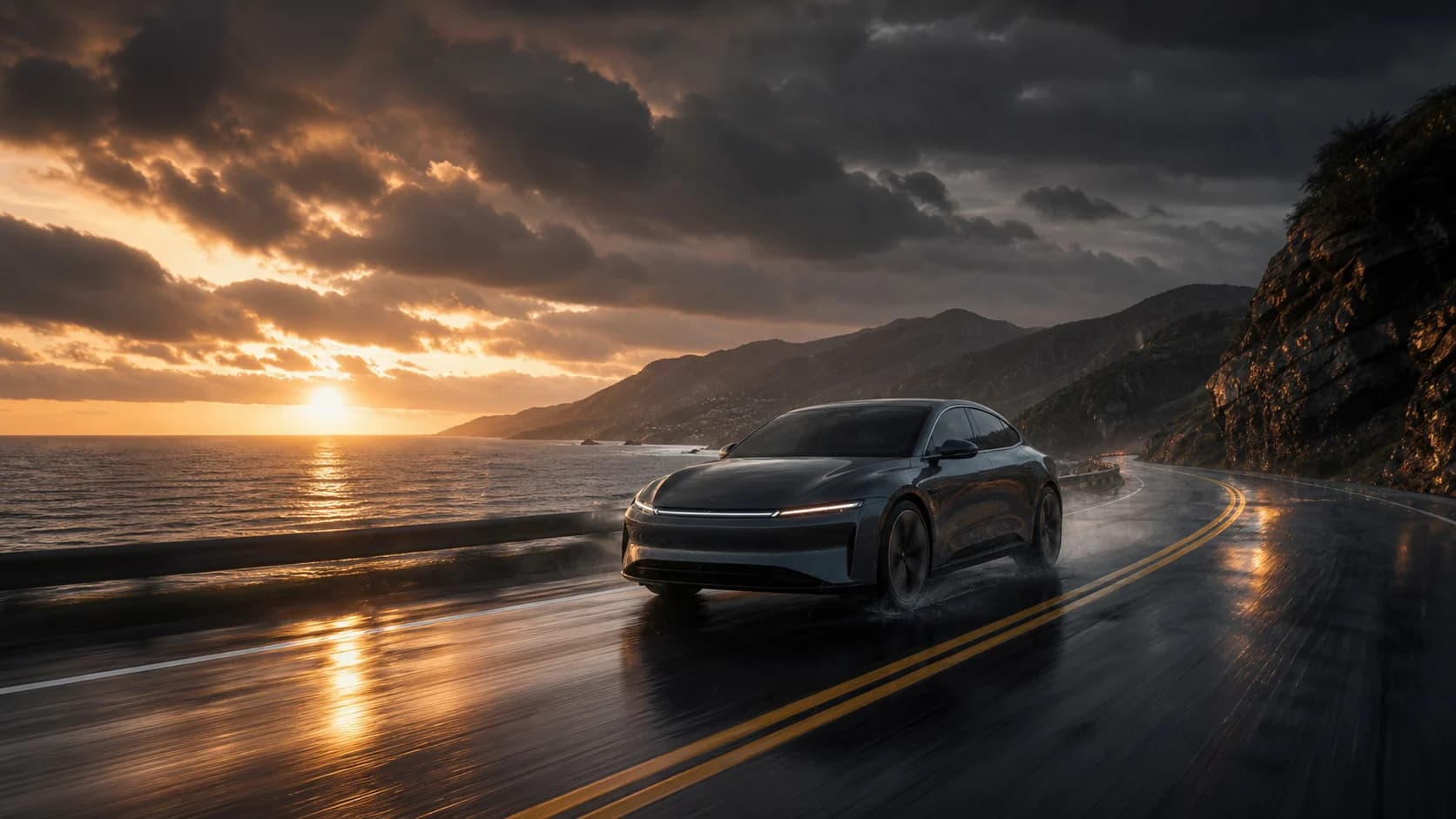
Every asset returns with the headline correctly spelled, the brand feel locked, and the composition varied enough to avoid the "AI-slop" look.
Use case 5 — Product mockups and packaging
Client wants to see the new shampoo bottle on a shelf. The cereal box redesign in a kitchen. The app store screenshot with the actual feature copy rendered at device scale. GPT Image 2 handles all of this now because the text on the packaging — the ingredients list, the tagline, the product name — actually renders correctly.
Good enough for: pitch decks, internal reviews, client presentations, concept validation.
Not yet good enough for: press-ready dielines, barcode-critical packaging, anything going through a prepress house. The hex values drift, the type is rendered not typeset, and you can't export a bleed-safe file. Do your concept exploration here, then rebuild the winner in Illustrator with your real die line and your real supply-chain typefaces.
Where GPT Image 2 is the WRONG choice
Three cases where a different tool wins.
Editorial portrait photography. If you need a single convincing human portrait — for an article feature, a profile pic, a founder headshot — reach for Nano Banana Pro. GPT Image 2's people are good but not editorial-grade, and the skin rendering still has a faintly plastic quality that a good art director will clock.
Fine-art illustration. Midjourney still wins on pure aesthetic output. If the brief is "surreal dreamscape, oil-painting texture, moody romanticism," don't fight it — use the tool built for it. We break down the specific trade-offs in GPT Image 2 vs Midjourney v7.
Iterative multi-revision refinement. This is the trap. GPT Image 2 drifts on follow-up prompts. If you love generation #3 and ask it to "keep everything the same but change the headline to X," it will change the headline and also subtly shift the palette, the lighting, and the composition. The counterintuitive play: restart from scratch with a tighter prompt rather than trying to iterate on an existing output. For the full prompting playbook, see how to use GPT Image 2 effectively.
Integrating with real design tools
Nobody ships from the generation window. Here's the downstream workflow.
Figma. Drop the PNG directly into a frame. Use Figma's new background-removal and vectorize-shape features for any logo-adjacent element. For typography you want to keep, rebuild it in actual type — GPT Image 2 is a reference for the idea, not a substitute for typesetting.
Photoshop. Open the PNG at 2048px, upscale to 4x with Super Resolution if you need print scale. Lock the color with a Selective Color or Curves adjustment layer rather than trusting the model's output hex values. GPT Image 2 drifts on exact color — a "Pantone 186 red" brief will come back as an approximate red. Calibrate in post.
Illustrator. Live Trace for shape exploration only. Any logo or icon you intend to ship gets rebuilt from scratch using the AI output as a visual reference — never traced and delivered. Clients can tell, and it violates most licensing frameworks anyway.
Color consistency caveat. Build a single swatch library in your design tool at the start of a project, and batch-adjust every AI output to those swatches before it goes into the comp. Takes 90 seconds per asset and kills 80% of the "this doesn't quite feel on-brand" feedback from the client.
A pricing honest note
On Oakgen.ai, GPT Image 2 runs 26 credits per image — roughly $0.10. Ten iterations of a poster concept: one dollar. A full brand-board explore session of 50 images: five dollars. A week of social assets at 8 per day: about fourteen dollars.
Cheaper than stock photography for anything specific. Almost always cheaper than commissioning an illustrator for exploration work. Not free, though — and the iteration count adds up faster than people expect. Budget 50 credits for a typical explore session, 200 for a full campaign keyframe package. Full pricing math is on the pricing page.
If you run an agency or a freelance practice that refers clients, the affiliate program pays out on paid conversions — a reasonable revenue line for studios already recommending AI tooling to clients.
Comparison at a glance
| Use case | GPT Image 2 | Midjourney v7 | FLUX 2 Pro |
|---|---|---|---|
| Logo exploration | Best — 20 variants, readable marks | Good — aesthetic, less typographic | Okay — drifts on text |
| Posters / campaigns | Best — text accuracy wins | Good — stronger style, weaker text | Good — fast, less coherent |
| Brand boards (8-set) | Best — coherence across 8 | Good — style consistency only | Okay — less locked |
| Social campaign assets | Best — headlines render clean | Weak — text still breaks | Okay — fast iteration |
| Product / packaging mockups | Best — readable labels | Okay — no reliable text | Okay — text unreliable |
FAQ
Can I use GPT Image 2 for client deliverables? For pitch decks, mood boards, explore sessions, and internal reviews: yes, and it will dramatically speed up your early phases. For final print, brand identity files, or anything going through prepress: no — rebuild in your real tools using the AI output as reference only.
Does it render brand colors accurately? Approximately. Briefing "Pantone 186 red" returns a red that reads as 186 but won't match on a colorimeter. Lock exact hex and Pantone values in Photoshop or Figma after generation, not before.
How does it compare to Adobe Firefly for designers? GPT Image 2 is significantly stronger on typography, layout obedience, and 8-asset coherence. Firefly still has two advantages: direct integration with the Adobe suite, and a commercial-use policy trained on licensed imagery. For agency work where indemnification matters, Firefly is the safer call. For pure output quality, GPT Image 2 is ahead.
Can I use it for logo design? Use it for logo exploration — yes. Use it as the final logo — no. No AI-generated image model currently produces clean vector-ready geometry with consistent stroke weights and sharp corners. Explore, pick a direction, rebuild in Illustrator.
Is commercial use allowed on Oakgen? Yes on Oakgen's side, subject to the provider's terms of service. For high-stakes commercial deployments, read the underlying provider terms and, where relevant, consult counsel. Our graphic designers landing page has more on the commercial-use flow.
What's the cheapest way to try it? GPT Image 2 is included on paid plans. Each generation uses credits, and the cost is shown before you generate. See pricing.
Bottom line: GPT Image 2 doesn't replace your design tools. It replaces the first two hours of every design project — the exploration phase where you're trying to find the direction. That's the expensive part of the work. Compressing it into a twenty-minute conversation with the model is the real win.