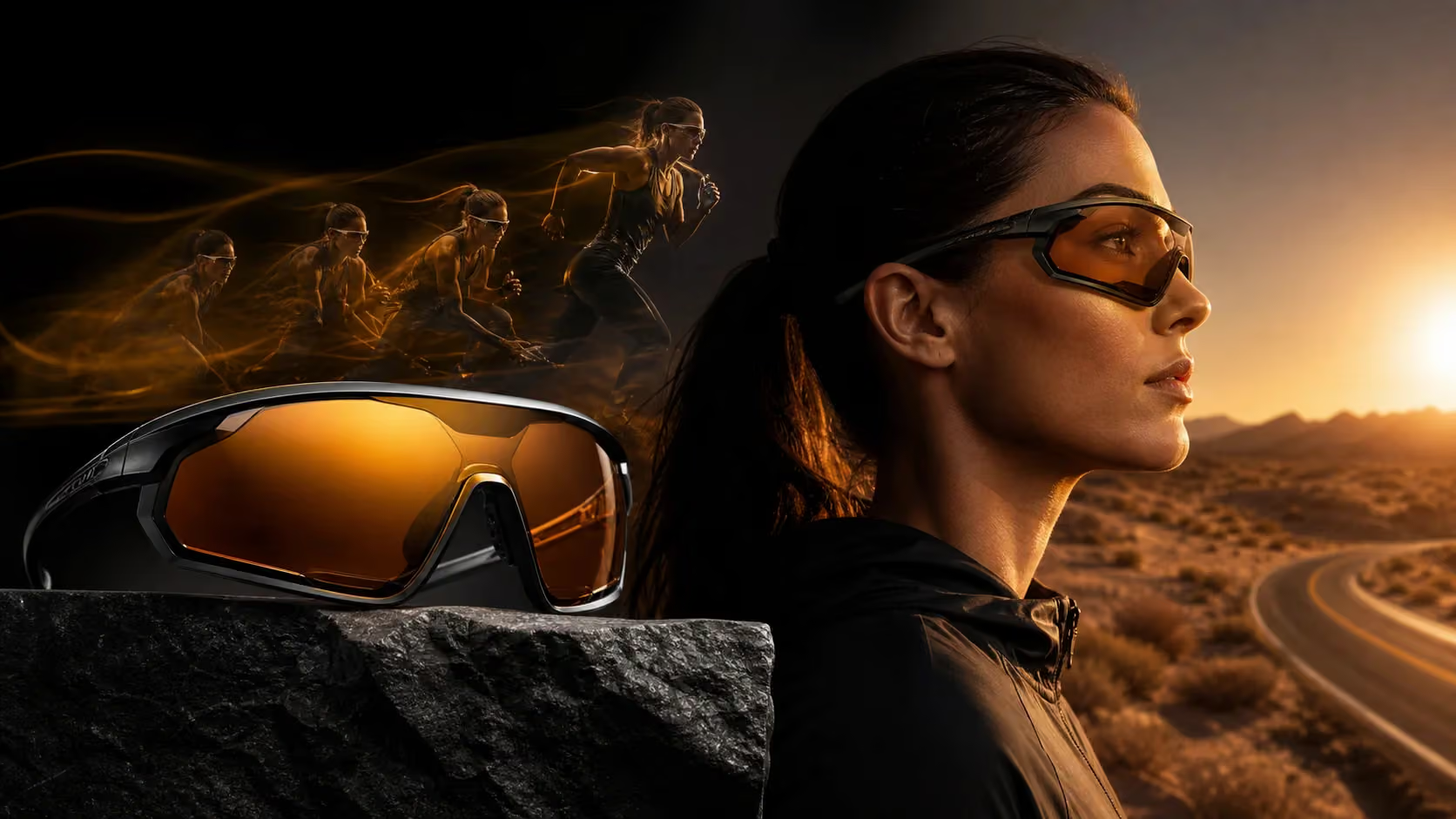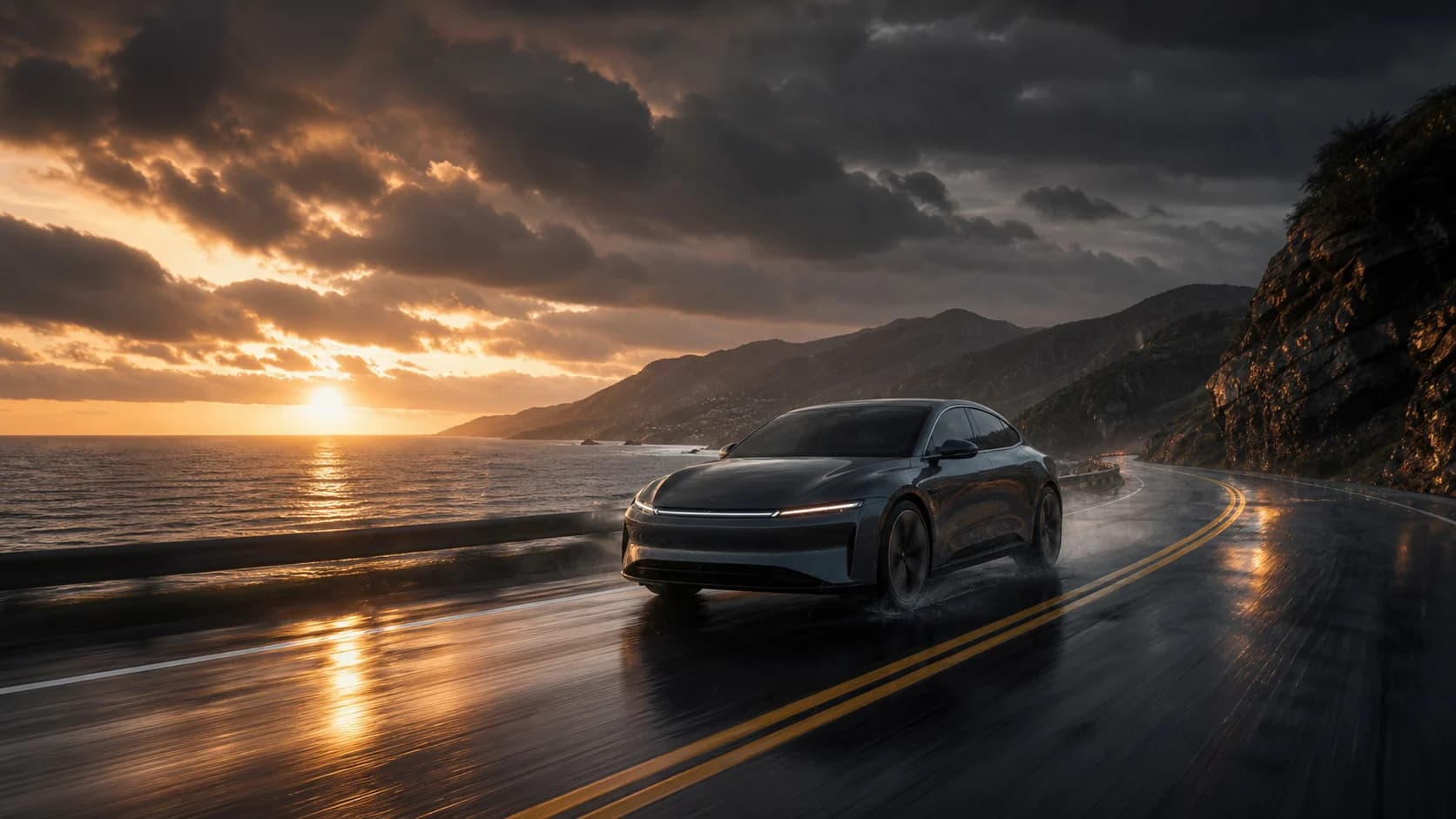
Sports marketing operates on a calendar that waits for no one. The NFL season opens in September. The NBA tips off in October. The soccer transfer window slams shut on deadline day. The Olympics happen once every four years and dominate global attention for 17 days. When a moment happens in sports -- a buzzer-beater, a record-breaking performance, a viral celebration -- brands have a 4-6 hour window to produce and publish culturally relevant content before the moment passes.
Traditional creative production cannot operate at this speed. A professional photo shoot takes 2-4 weeks from brief to delivery. A campaign video requires 4-8 weeks. Even "quick turnaround" social content from a studio takes 3-5 business days. By the time traditional production delivers, the cultural moment is over.
This is why sports brands are adopting AI creative tools faster than almost any other industry vertical. The speed advantage is not a nice-to-have -- it is a competitive necessity in a category where cultural relevance has a half-life measured in hours, not weeks.
AI creative generation enables sports marketing teams to produce campaign-quality visuals, video content, and branded audio in minutes rather than weeks. Oakgen's suite of tools -- Image Generator, Video Generator, Music Generator, and Text to Speech -- provides the full creative stack that sports brands need to execute at the speed of sport.
This is not about replacing premium campaign production. Nike will still shoot its hero campaign with a world-class production crew. This is about filling the massive content gap between those premium tentpole campaigns with a constant stream of high-quality, culturally relevant content that keeps the brand in the conversation 365 days a year.
The Content Velocity Problem in Sports Marketing
Sports brands face a unique content challenge: the volume of marketable moments is enormous, unpredictable, and time-sensitive. Let us quantify the problem.
The Moment Economy
A typical NFL season produces approximately 4,000 significant plays, 800+ individual stat milestones, 32 primetime games, and a steady stream of off-field stories. Each of these moments is a content opportunity. A brand that sponsors 5 NFL players or teams has hundreds of potential content triggers per season -- and the content needs to be produced and published within hours, not days.
The same dynamic applies across every major sport. The English Premier League plays 380 matches per season. The NBA regular season includes 1,230 games. March Madness generates a new set of heroes and storylines every 24 hours for three weeks straight. The total addressable content opportunity for a multi-sport brand is staggering.
Traditional Production Cannot Keep Up
| Content Type | Traditional Production Time | Traditional Cost | AI Generation Time | AI Cost (Oakgen) |
|---|---|---|---|---|
| Social media graphic (event-reactive) | 2-4 hours (rush) | $200-$500 | 2-5 minutes | $0.05-$0.50 |
| Campaign hero image | 2-4 weeks | $5,000-$25,000 | 15-30 minutes (iteration) | $1-$5 |
| 15-second social video | 3-7 days | $2,000-$8,000 | 10-20 minutes | $2-$10 |
| 30-second ad spot | 4-8 weeks | $15,000-$100,000+ | 1-3 hours | $5-$25 |
| Branded audio jingle/bumper | 2-4 weeks | $3,000-$15,000 | 10-30 minutes | $0.50-$5 |
| Localized campaign variant | 1-2 weeks per market | $2,000-$5,000 per market | 30-60 minutes per market | $2-$10 per market |
The cost differential is significant, but the time differential is transformative. Being able to produce reactive content in minutes instead of hours or days means sports brands can participate in cultural conversations as they happen rather than arriving after they have passed.
Social media analytics consistently show that sports-reactive content published within 4 hours of a moment generates 5-8x more engagement than the same content published 24 hours later. For viral moments (record-breaking performances, unexpected upsets, meme-worthy celebrations), the window is even shorter -- 1-2 hours. AI generation is the only production method that consistently fits within these windows while maintaining brand-quality creative standards.
Use Case 1: Real-Time Game Day Content
Game day is the highest-value content window for sports brands. Fans are engaged, attention is concentrated, and the emotional intensity of live competition creates peak receptivity to brand messaging. Here is how AI enables real-time game day content production.
Pre-Game Content
Before tipoff, kickoff, or first pitch, teams and sponsors produce hype content: starting lineup graphics, matchup previews, venue atmosphere shots, and fan engagement posts. With AI, a single content manager can produce 10-15 pre-game assets in 30 minutes -- enough to populate Instagram Stories, X (Twitter), TikTok, and Facebook with platform-specific content.
Use Oakgen's Image Generator to create dynamic pre-game visuals: stylized athlete portraits with team color treatments, stadium atmosphere renders, and versus matchup graphics. The key is establishing visual templates during the offseason that can be quickly customized for each game day.
In-Game Reactive Content
This is where AI generation creates the most competitive advantage. When a player hits a milestone (1,000th career point, first career hat trick, record-breaking reception), the content team needs to produce a celebratory graphic within minutes. When a controversial play generates social media discussion, the brand needs to join the conversation with relevant, on-brand content immediately.
AI generation enables a workflow where the content manager has pre-built prompt templates for common scenarios (milestone graphics, highlight reactions, stat cards) and can generate finished assets by plugging in the specific data points. A "Player X just scored their Nth career goal" graphic goes from concept to published in under 5 minutes.
Post-Game Recap
After the final whistle, the content window remains open for 2-4 hours as fans discuss the result, share highlights, and process the emotional aftermath. AI-generated recap content -- final score graphics, key stat visualizations, player of the game features, and next-game previews -- extends the brand's presence through this high-engagement post-game window.
Use Case 2: Athlete-Centric Campaign Content
Athlete endorsement deals are the backbone of sports marketing. But the traditional model -- fly the athlete to a studio for a 2-day photo and video shoot twice a year -- produces a limited library of assets that must be stretched across months of campaigns.
Extending the Asset Library
AI image generation can extend a limited library of athlete reference photos into a much larger set of campaign visuals. A single set of studio portraits can be used as style references for AI-generated variations: different backgrounds, different lighting moods, different compositional styles, different seasonal contexts. This is not about generating deepfakes of athletes -- it is about creating branded visual environments and campaign graphics that incorporate the athlete's likeness within the terms of their endorsement agreement.
Seasonal and Event-Based Variations
A single campaign concept can be adapted to dozens of seasonal contexts: holiday-themed versions for Christmas, Diwali, Lunar New Year, and Ramadan. Back-to-school editions. Summer training camp aesthetics. Championship celebration variants. Each of these seasonal adaptations would traditionally require either a new photo shoot or expensive manual photo manipulation. AI generation can produce these variations in minutes.
Regional Personalization
Global sports brands operate across 50+ markets. Regional personalization -- adapting campaign visuals to incorporate local landmarks, cultural references, local language messaging, and market-specific athlete pairings -- has historically been cost-prohibitive at true scale. AI generation makes it feasible to produce genuinely localized campaign variants for every market rather than forcing a one-size-fits-all global campaign.
Use Case 3: Fan Engagement and Community Content
Beyond campaigns and advertising, sports brands need a constant stream of community-focused content that keeps fans engaged between games and during the offseason.
Interactive Visual Content
AI image generation enables sports brands to create interactive fan content at scale. "Design your dream kit" visualizations, "this day in history" throwback graphics, player comparison cards, fantasy sports visual content, and fan poll graphics can be produced daily without straining the creative team's bandwidth.
Audio Branding and Sonic Identity
Sports brands increasingly invest in sonic identity -- distinctive audio signatures that accompany content across platforms. AI music generation through Oakgen's Music Generator enables the creation of:
- Highlight reels music: High-energy tracks that match the tempo and intensity of sports highlights. Generate genre variations (hip-hop, electronic, orchestral) for different platforms and audiences.
- Podcast intros/outros: Branded audio bumpers for team podcasts, sponsored content, and interview series.
- Event soundscapes: Stadium atmosphere audio, walk-up music concepts, and arena experience soundtracks.
- Social media audio: Short audio clips optimized for TikTok, Reels, and Shorts that give branded content a distinctive sonic signature.
Video Content at Scale
Short-form video is the dominant format across every social platform in 2026. Sports brands need a constant feed of video content: hype videos, recap clips, behind-the-scenes content, training montages, and motivational content. AI video generation can produce 15-30 second social video assets that maintain broadcast-quality production values at a fraction of the cost and time.
The most efficient sports brands build a template library during the offseason: a collection of AI prompt templates, visual style guides, and content frameworks that can be rapidly customized during the season. A template for "player milestone graphic" includes the visual style, typography placement, brand element positioning, and prompt structure -- during the season, the content manager only needs to plug in the player name, stat, and team to generate a finished asset in minutes. Invest 2-3 weeks in template development during the offseason to save hundreds of hours during the season.
Use Case 4: Sponsorship Activation
Sponsorship is the lifeblood of sports marketing revenue, and sponsors increasingly demand digital content as part of their activation packages. AI-generated content dramatically increases the volume and variety of content that teams and leagues can deliver to sponsors.
Branded Content at Scale
A traditional sponsorship activation might include 10-20 branded social media posts per season. With AI generation, teams can deliver 100+ pieces of sponsor-branded content: game day graphics with sponsor integration, post-game stats cards with sponsor logos, player feature content with sponsor messaging, and seasonal campaign variants.
Sponsor ROI Improvement
The equation is simple: more content means more impressions, more impressions means more brand exposure for the sponsor, and more brand exposure means higher sponsor satisfaction and renewal rates. Teams that adopt AI creative tools can deliver 5-10x the content volume to sponsors without proportionally increasing production costs, dramatically improving the ROI proposition for both parties.
Co-Branded Campaign Production
Joint campaigns between teams/athletes and sponsors traditionally require extensive coordination between multiple creative agencies. AI generation enables in-house production of co-branded content that maintains both the team's visual identity and the sponsor's brand guidelines. Produce 20 co-branded asset variations in an afternoon, select the strongest options with both parties, and deploy within the same week.
Use Case 5: Merchandise and Product Launch Visuals
Sports brands launch new products constantly: new season jerseys, limited edition colorways, signature athlete lines, and collaboration drops. Each launch needs a visual campaign, and the launches overlap in ways that overwhelm traditional production capacity.
Product Visualization
AI image generation excels at product visualization -- creating lifestyle and aspirational imagery around physical products without the expense of a full photo shoot. Generate images of new sneaker colorways in urban environments, jerseys photographed in stadium settings, and training gear in action-oriented contexts.
Drop Culture Content
The intersection of sports and streetwear has created a "drop culture" where limited edition products are marketed with the same intensity as entertainment events. Drop campaigns need a high volume of teaser content, reveal graphics, countdown assets, and post-drop celebration content. AI generation enables a single designer to produce the full content suite for a product drop in a day rather than a week.
| Campaign Element | Traditional Production | AI-Assisted Production | Time Savings |
|---|---|---|---|
| Product teaser series (5 images) | $3,000-$8,000 / 1-2 weeks | $1-$5 / 30 minutes | 95%+ |
| Launch day hero visual | $5,000-$15,000 / 2-3 weeks | $1-$5 / 1 hour (with iteration) | 90%+ |
| Social media asset suite (20 pieces) | $4,000-$10,000 / 1-2 weeks | $5-$20 / 2-3 hours | 90%+ |
| Email campaign visuals (5 variants) | $1,500-$4,000 / 3-5 days | $1-$5 / 30 minutes | 90%+ |
| Retail POS displays (print-ready) | $2,000-$6,000 / 1-2 weeks | $2-$10 / 1-2 hours | 85%+ |
Building the AI-Native Sports Content Operation
Transitioning to AI-assisted content production requires organizational changes, not just tool adoption.
Team Structure
The AI-native sports content team looks different from the traditional model. Instead of a large team of designers executing creative concepts, you need a smaller team of creative strategists who can write effective prompts, curate AI output, and make rapid editorial decisions.
Core roles:
- Creative Director: Sets visual identity, approves style templates, maintains brand consistency.
- Content Strategists (2-3): Monitor live events, identify content opportunities, write prompt scripts, generate and curate AI output.
- Compliance/Legal: Reviews content for rights compliance, sponsor obligations, and platform requirements. Especially critical when AI-generated content involves athlete likenesses.
- Distribution Manager: Manages publishing schedules, platform optimization, and performance analytics.
Rights and Compliance Considerations
Sports content involves complex intellectual property: athlete likeness rights, team logos and marks, league branding, sponsor logos, and stadium imagery. AI-generated content must respect all of these rights just as traditional content does.
Key guidelines:
- Do not use AI to generate realistic depictions of real athletes without proper licensing.
- Team and league marks must be used according to brand guidelines -- AI generation does not exempt content from trademark compliance.
- Sponsor logos and messaging must be integrated according to contractual terms.
- Stadium and venue imagery may be subject to separate licensing agreements.
Work with your legal team to establish clear guidelines for AI-generated sports content before scaling production.
Name, Image, and Likeness (NIL) regulations add a layer of complexity to AI-generated sports content, particularly at the collegiate level. NIL deals typically specify the types of content a brand can produce using an athlete's likeness, and AI-generated variations may or may not be covered depending on the contract language. For professional athletes, endorsement contracts may include AI-specific clauses. Always review athlete contracts with legal counsel before generating AI content that references or depicts specific athletes. The safest approach is to use AI for environmental, product, and abstract brand content while reserving athlete-specific content for approved reference photos and contractually permitted uses.
Measuring Campaign Performance
Sports marketing metrics combine traditional brand marketing KPIs with sports-specific engagement metrics.
Content Performance
- Reactive content velocity: Time from event to published content. Target: under 30 minutes for standard reactive content, under 5 minutes for pre-templated milestone content.
- Engagement rate by content type: Track likes, comments, shares, and saves across different AI-generated content categories. Identify which formats and styles generate the strongest fan response.
- Content volume vs. team capacity: Track total content pieces published per week relative to team size. AI-assisted teams should target 50-100+ pieces per week with 3-5 people.
Business Impact
- Sponsor satisfaction score: Survey sponsors quarterly on content volume, quality, and brand exposure. Target: 15-25% improvement in satisfaction scores after AI adoption.
- Fan engagement growth: Track follower growth, engagement rate trends, and community sentiment over time. Consistent, high-volume content production drives steady audience growth.
- Revenue per content piece: Divide content-attributable revenue (sponsorship, merchandise, ticket sales influenced by content) by total content pieces produced. This metric should improve as AI reduces production costs while maintaining or increasing content quality and engagement.
Frequently Asked Questions
Can we use AI-generated content for official league and team social accounts?
Yes, with appropriate quality control. Major leagues (NFL, NBA, Premier League) do not prohibit AI-generated content on official accounts, but they do enforce brand guidelines and quality standards. The content must meet the same visual quality, brand consistency, and messaging standards as traditionally produced content. Most leagues recommend disclosing AI-generated content, though specific policies vary by league and are evolving. Check your league's current digital content guidelines before deploying AI-generated content at scale.
How do we maintain brand consistency across hundreds of AI-generated assets?
Build a style template system during the offseason. Define your visual identity elements -- color palette, typography style, compositional rules, photographic style, and brand voice -- as a set of reusable prompt templates. Every AI generation starts from a template that enforces brand consistency, with customization limited to the variable elements (player name, stat, date, event context). This approach ensures that asset #500 looks like it came from the same creative team as asset #1.
Is AI-generated sports content engaging enough for passionate fan bases?
Yes, but with an important caveat: the content strategy matters more than the production method. Fans engage with content that is timely, relevant, and emotionally resonant. AI enables speed and volume, but the content strategist must still identify the right moments, craft the right messaging, and hit the right emotional notes. AI is a production accelerator, not a strategy replacement. Teams that combine strong content strategy with AI production speed consistently outperform teams with strong strategy but slow production or fast production with weak strategy.
What about using AI to generate highlight videos from live footage?
AI video generation from text prompts (like Oakgen's tools) is ideal for promotional, atmospheric, and campaign content but is not currently designed for editing live footage into highlight reels. For highlight compilation, traditional video editing workflows (or AI-assisted editing tools like auto-clipping) remain the standard approach. AI generation is complementary -- use it for the promotional wrapper around highlights (intro animations, branded transitions, audio branding) rather than for the highlights themselves.
How much should a sports brand budget for AI creative tools?
For a mid-size sports brand or team producing 50-100 content pieces per week, AI generation costs on Oakgen typically run $200-$800 per month -- roughly equivalent to a single traditional studio design day. The ROI comes not from the tool cost (which is minimal) but from the reallocation of production time and budget. A team that previously spent $15,000-$30,000 per month on external creative production can redirect 60-80% of that budget to media spend, sponsorship activation, or additional headcount while maintaining or increasing content volume through AI generation.
Win the Content Game at the Speed of Sport
Generate campaign visuals, social video, and branded audio in minutes. React to live moments in real-time. Deliver 10x the content to sponsors. Oakgen gives sports brands the creative velocity to match the pace of competition.